Egyptian diver to break world record for deepest scuba dive
scuba divingssifreedivingtechnical divingextreme divingdeep divingworld record
(c) Wael Omar
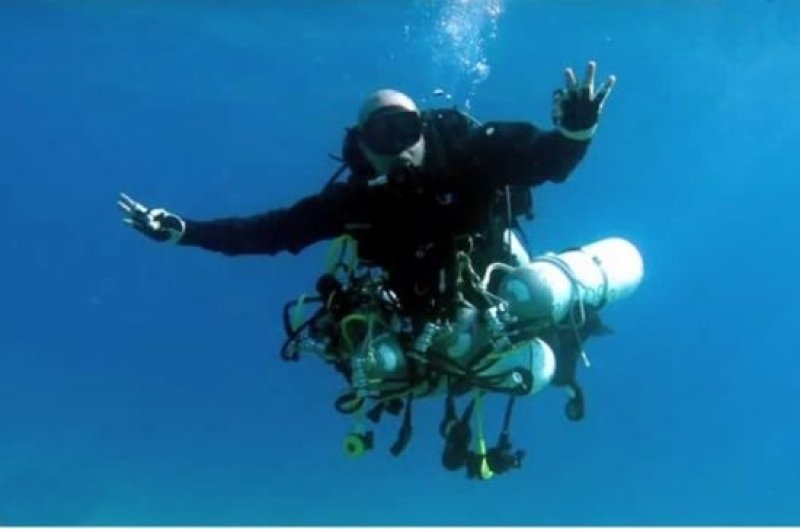
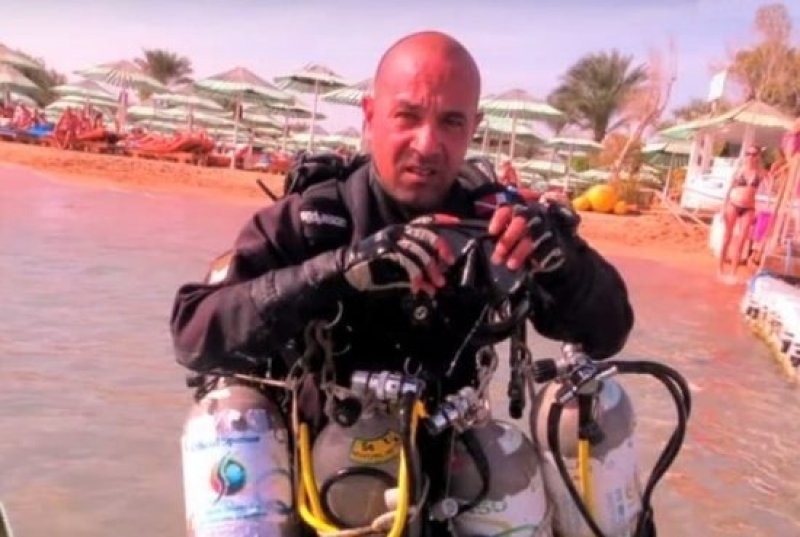
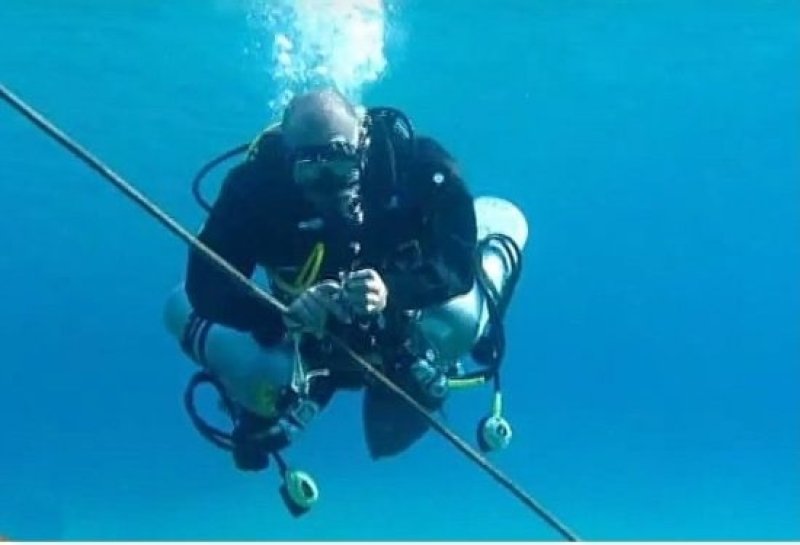
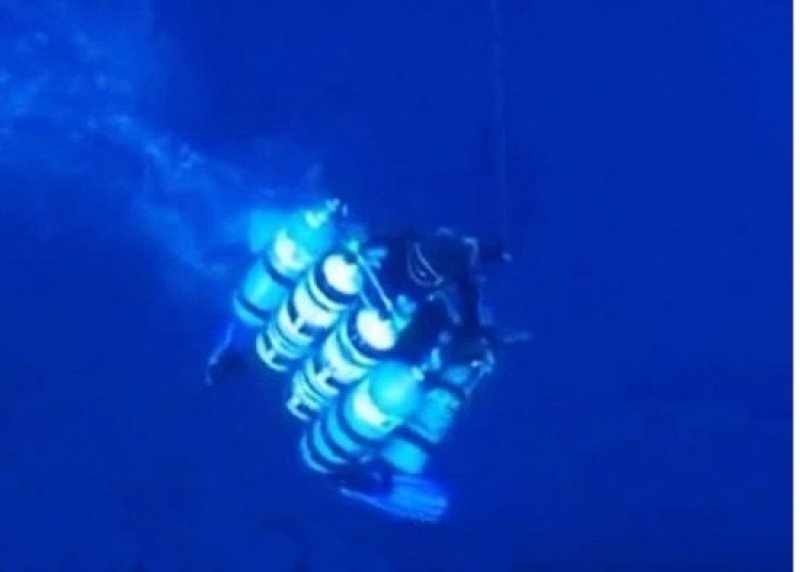
Egyptian diver Wael Omar is thinking big. Not only does he want to break the current world record for the deepest scuba dive of about 332.35 metres, he also wants to reach the depth of 400 metres. This has resulted in many physicians describing the 30th March dive, to be undertaken in Sharm el-Sheik, as a risky one. On 18 September 2014, Egyptian diver Ahmed Gamal Gabr dove to 332.35 metres, in the Red Sea off the coast of Dahab, taking 12 minutes to reach the depth, and surfacing about 15 hours later. Omar's upcoming record attempt will not only test his physical endurance, it presents a challenge in terms of logistics. Twenty-five support divers with nearly 120 tanks will accompany him to 140 metres' depth. There, they will secure the oxygen tanks Omar would need for his ascent to the surface. It is estimated that the descent would take just 19 minutes, but to safely return to the surface, Omar would need to make his ascent over 28 hours. Doing so would prevent the onset of the countless risks involved with a rapid ascent. The rapid rise in pressure can lead to HPNS syndrome (high pressure neurological syndrome), in which the nerve membrane gets compressed by the high pressure. This causes a change in the body's "signal transport" The initial symptoms caused by the rapid onset of pressure may start to occur when the diver is at 150 to 200
metres' depth: the so-called "helium tremors". This condition manifests itself as an involuntary trembling of the fingers, making demanding manual tasks almost impossible. With increasing depth, other symptoms like dizziness nausea, disorientation and impairment of mental capacity arise. Upon reaching 140 metres, the first replacement of the tanks will take place and the long – very long - decompression phase will start. Estimated more than 24 hours... In total more than 160 tanks would be required for this formidable feat. After receiving his Open Water Diver certification in 1998, Omar has gone on to become a divemaster and instructor in Eygpt. Since 2001, he has taken the path to professional scuba diving and made numerous deep dives. In the meantime, talk in the forums and within the diving circles are abuzz about the sensibility and safety of undertaking such record dives. Nevertheless, Omar remains focussed on his objectives, conscientiously planning every step in detail to ensure that the risks involved are marginal.
(c) Wael Omar
(c) Wael Omar
(c) Wael Omar