Mermaiding - Which fins are suitable?
freedivingsafetymermaidequipmentwater sports
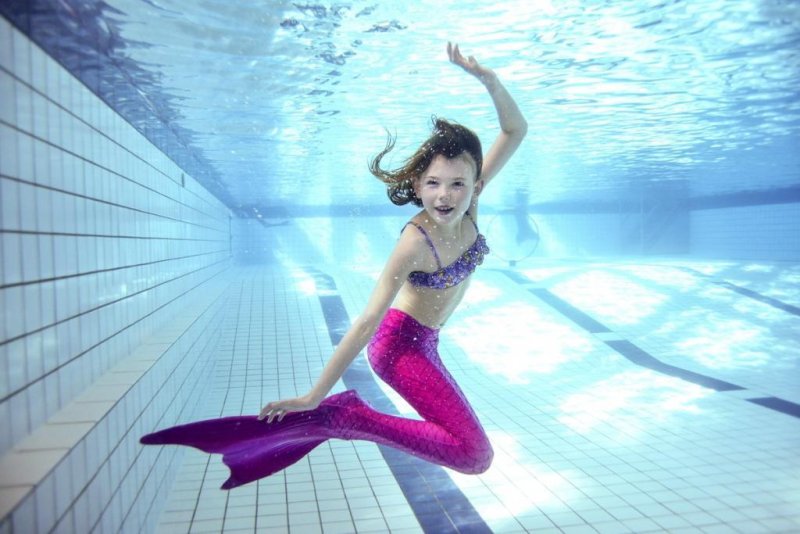
(c) dimagefactory / Mermaid Kat
Mermaid swimming - the latest trend Mermaid swimming or mermaiding is the latest trend in water sports. With colorful mermaid fins participants swim through the cool water, spin and turn and pose underwater for the camera. What looks so colorful is actually an exhausting mix of freediving, fin swimming and underwater modeling. Mermaiding is very popular among young girls and many new generation mermaids dream of their own mermaid fin. Before buying a fin, however, you should pay attention to certain things. Not every mermaid tail is the same Although there are several providers on the Internet that sell mermaid fins, but not all are suitable for the safe use in the water. Some models may even increase the risk of having an accident in the water. The first mermaid tails have appeared on the market a few years ago. After a mother built a tail for her daughter, she had the idea of turning this into a business. The self-designed fins were then copied by various other manufacturers and only slightly modified. The integrated monofin was partially made of acrylic glass or other plastics. Two loopholes for the feet should secure a good fit and sometimes the monofin was covered with a neoprene layer. In theory, not bad, but in practice, these widespread mermaid fins are rather less suitable. The acrylic glass or plastic often breaks very fast when swimming and also the two loopholes for the feet give no proper grip. Rubbing ankles are often another problem, and the pain they cause can quickly break concentration, increasing the risk of accidents – especially for children. Even a neoprene cover for the monofin is not an ideal solution. Due to the positive buoyancy, the feet are thus repeatedly drawn to the water surface, which makes it difficult for the mermaid / the merman to bring the face over water to breathe. What should I look for when buying a mermaid fin? When buying a mermaid fin care should be taken to ensure that the fins are actually developed by experienced aquatic people. Only a few models have actually been developed by freedivers, scuba instructors and professional mermaids and are therefore also suitable for water sports. In principle, a mermaid monofin should always have two separate foot pockets. There should be enough space between the foot pockets to prevent the knuckles from rubbing against each other. The foot pockets should be attached as an extension of the fin blade and should not sit on the fin blade. Each foot bag should have its own heel strap, which is either suitable for a certain size or size adjustable. The fabric cover, which provides the mermaid look, differs in most manufacturers only visually. Stay away from low-cost manufacturers. Cheap fins are usually faster to break and if you have to constantly buy new fins you have no money saved at the bottom line. Furthermore, cheap fins are often an increased risk of accidents and especially on the subject of safety there should not be saved at the wrong end. Silicone tails for professionals Mermaiding is not only a great sport for children, but also for adults. The mermaid community is constantly expanding, with thousands of mermaids and mermen gathering at international mermaid conventions. For those who do not just see mermaiding as a mundane hobby, there are of course special mermaid tails. These are often made of silicone and look confusingly real. A silicone fin can weigh up to 15 kg and cost several thousand euros. Silicone fins are usually made by hand and are absolutely unique.
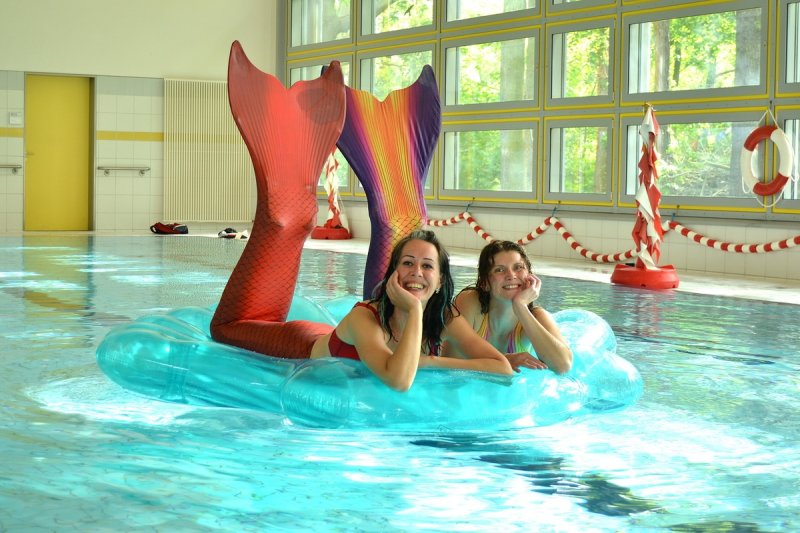
(c) dimagefactory / Mermaid Kat

(c) Dream Cruises / Mermaid Kat
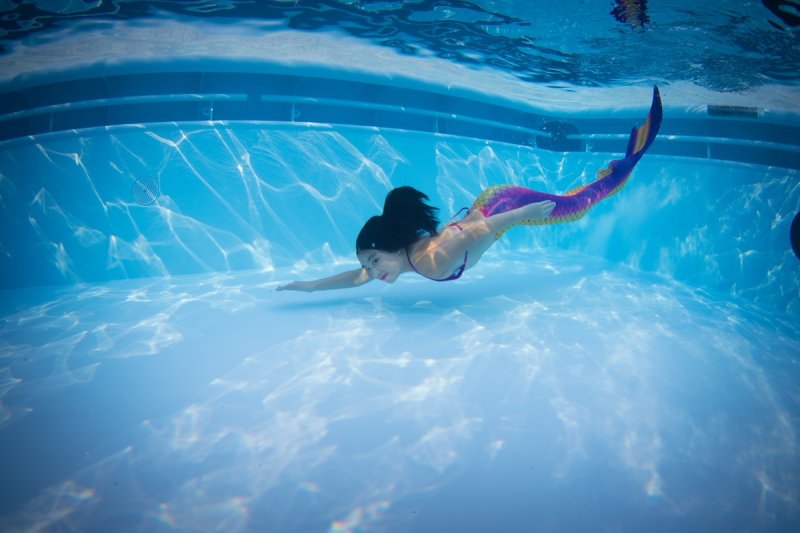
(c) Ian Gray / Mermaid Kat
บทความนี้ได้รับการแปลโดยอัตโนมัติและอาจมีข้อผิดพลาดเล็กน้อย โปรดอ้างอิงจากฉบับภาษาอังกฤษต้นฉบับหากมีข้อสงสัย