Hope for the second largest reef on earth
environmentmarine conservationcoral reefbelize barrier reefworld heritage
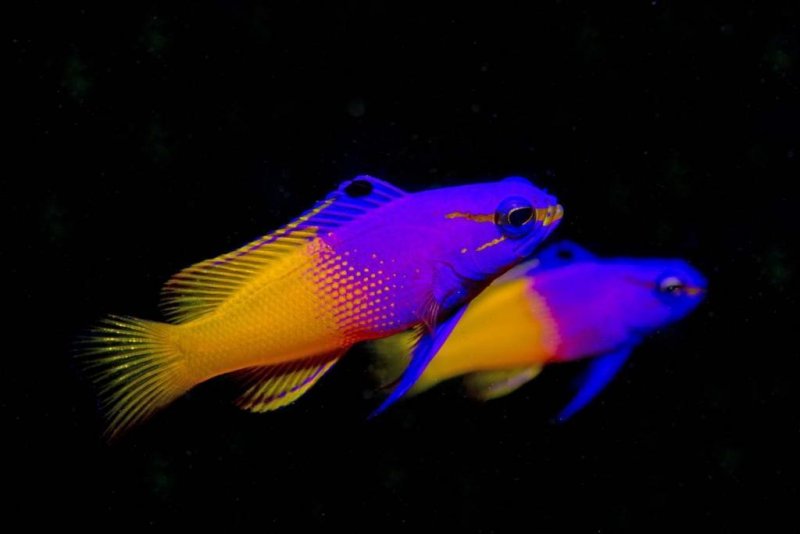
Belize Barrier Reef
(c) Werner Thiele
IUCN removes Belize Barrier Reef from List of Endangered World Heritage Sites The Belize Barrier Reef, the world's second largest coral reef system -after the Great Barrier Reef- has been removed from the World Heritage List on the recommendation of the International Union for Conservation of Nature (IUCN). The decision was taken on June 26, 2018 at the meeting of the UNESCO World Heritage Committee in Bahrain. For about ten years, the Belize Barrier Reef has been threatened by potential oil exploration and unsustainable tourism. However, Belize has recently announced a ban on oil drilling throughout its marine areas and has stepped up legal protection for its mangroves from harmful developments. These decisions have resulted in the reef system being removed from the list of endangered World Heritage sites. "Belize has demonstrated the leadership qualities that are urgently needed to increase the resilience of valuable marine ecosystems to climate change while promoting sustainable tourism, and the country's determined commitment to protecting the reef from oil threats and other developments is a great boost for the World Heritage - and for the local economy that depends on it," says Tim Badman, director of the IUCN World Heritage Program. The reef system consists of seven Marine Protected Areas and was included in the World Heritage List in 1996. It is home to endangered sea turtles and manatees. There are various types of coral reefs, numerous sandbars and mangrove islands as well as unique marine landscapes such as the world famous "Blue Hole". The pristine waters and abundant marine life offer the locals social and economic benefits, such as a locally managed fishery and natural tourist attractions. Tourism and fisheries employ about half the population of Belize and are highly dependent on healthy marine ecosystems. The reef was added to the list of endangered world heritage in 2009. Whole mangrove forests were then cleared and replaced with sand and coral debris from nearby waters that destroyed coral and marine ecosystems. Long-term sustainability was also at risk in 2011 when it emerged that there were concessions for oil drilling within the reef system. The IUCN and UNESCO World Heritage Center repeatedly called on Belize not to allow oil drilling. Due to their destructive and irreversible effects, the oil, gas and mining industries are considered incompatible with World Heritage status. Although today's mangroves are protected and oil drilling has been prevented, the Belize Barrier Reef is increasingly exposed to climate change with impacts such as coral bleaching, sea-level rise, beach erosion and hurricanes. Climate change is the fastest growing threat to World Heritage, according to IUCN. More Information: www.iucn.org See also: Seismic guns threaten worlds second largest reef
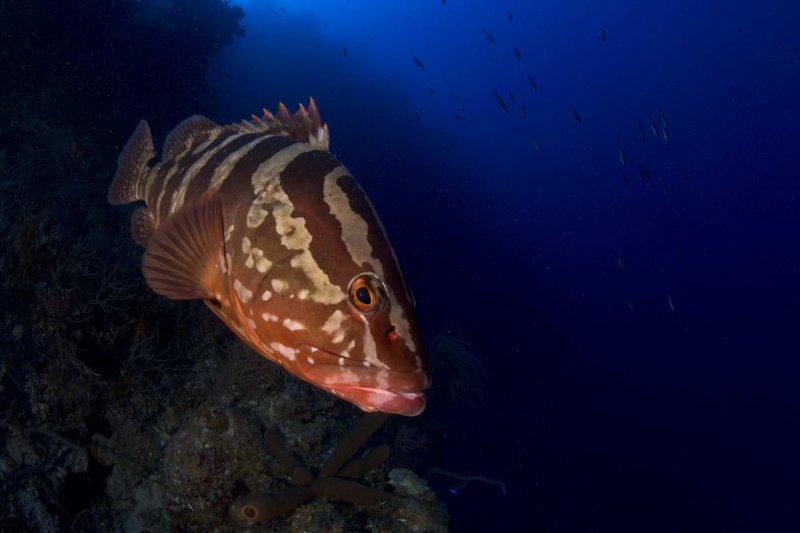
Belize Barrier Reef
(c) Werner Thiele
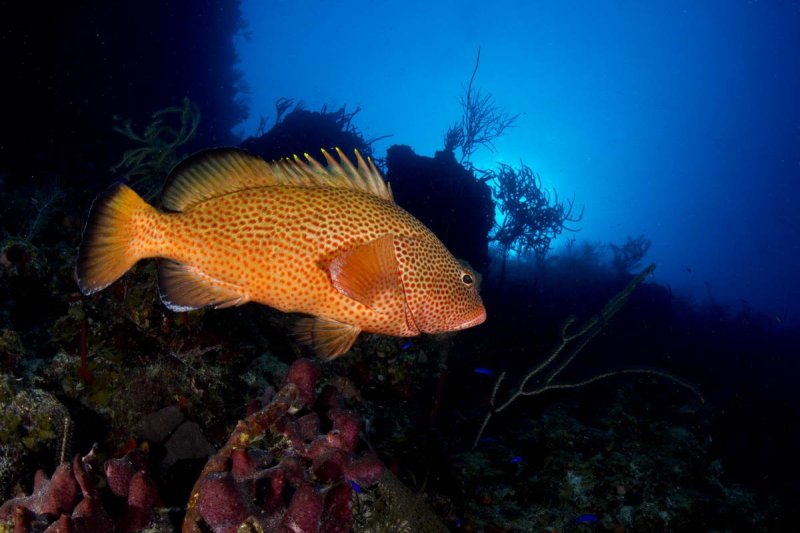
Belize Barrier Reef
(c) Werner Thiele
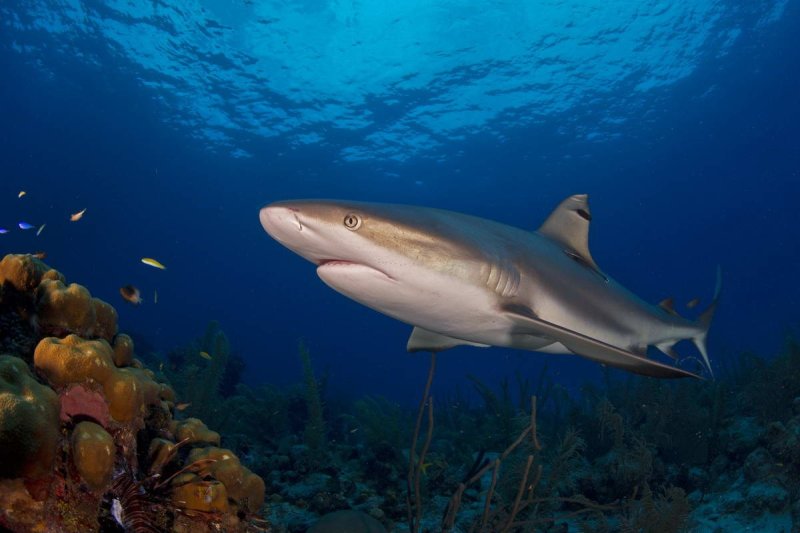
Belize Barrier Reef
(c) Werner Thiele
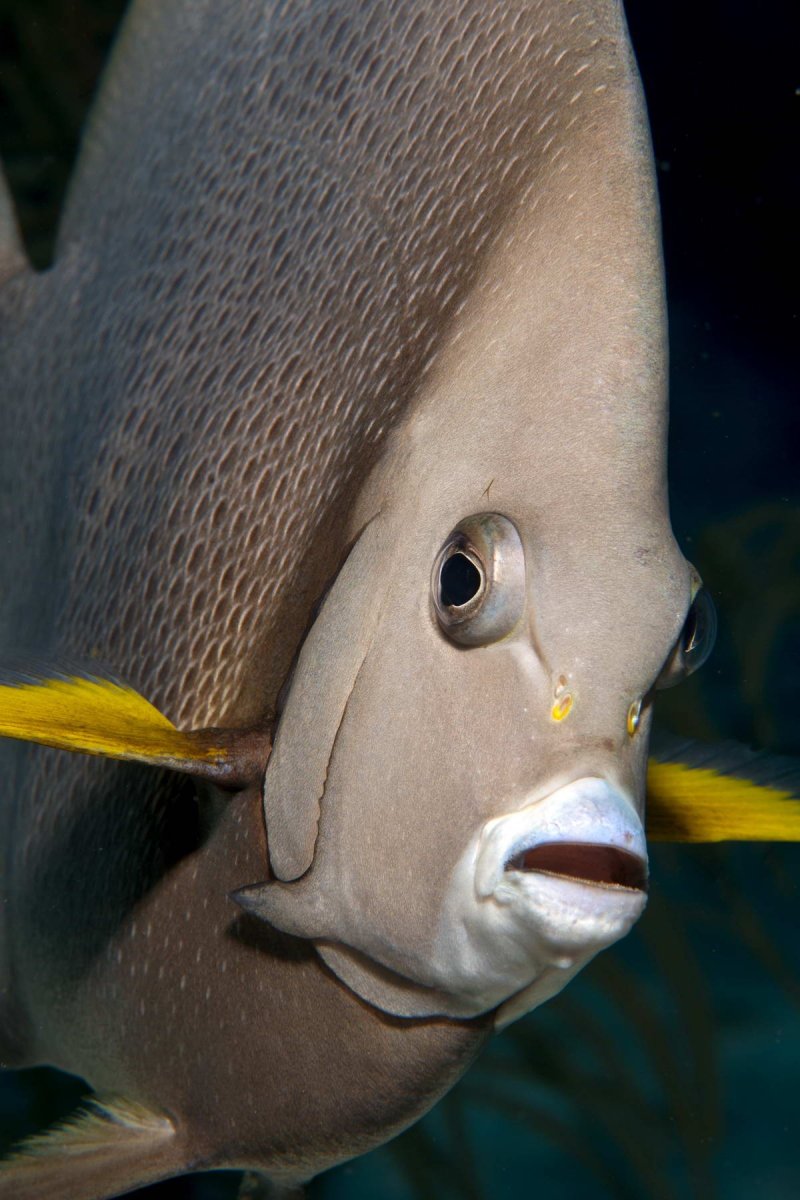
Belize Barrier Reef
(c) Werner Thiele
この記事は自動翻訳されており、多少の不正確な点が含まれている可能性があります。不明な点がある場合は、元の英語版を参照してください。