Right Whale in Distress: New Report on the Threat of the North Atlantic Right Whale

environmentmarine conservationmarine biologyendangered speciesnorth atlantic right whale
A North Atlantic right whale mother with her calf (c) NOAA

Stock of the North Atlantic Right Whale has shrunk to 411 copies
The North Atlantic right whale (Eubalaena glacialis) is a critically endangered whale species, which is under strict protection in Canada and the United States. These animals, of which only 411 individuals are left, are often spotted within 50 miles off the east coast of North America and are therefore threatened by human activity. The North Atlantic right whale was originally native to the entire North Atlantic, including the eastern Atlantic; Iceland in summer and Biscay in winter. Therefore, the common name in Germany: Biskayawhale originated. By massive whaling of Europeans, this eastern population has been extinct since the 18th century. A new report by the Woods Hole Oceanographic Institution (WHOI) is now discussing some of the critical threats faced by Western Atlantic whale populations: entanglements in fishing gear, collisions with ships, and noise in the sea. The report, prepared in collaboration with WHOI marine biologists Michael Moore and Mark Baumgartner, also examines the critical efforts being made to develop the most effective and pragmatic solutions to address these risks and the recovery of the North Atlantic population of the North Atlantic Capper to support. Download link to full report: https://gift.whoi.edu/page/9883/subscribe/1?ea.tracking.id=RightWhaleReportWHOIHomePage.
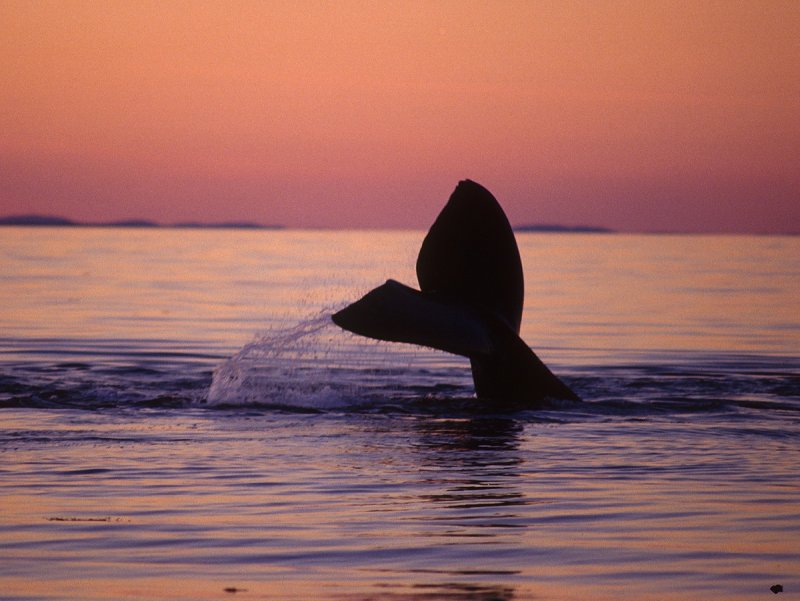
A North Atlantic right whale looking for food near Grand Manan Island in the Bay of Fundy, Canada. Photo: © Michael Moore, Woods Hole Oceanographic Institution
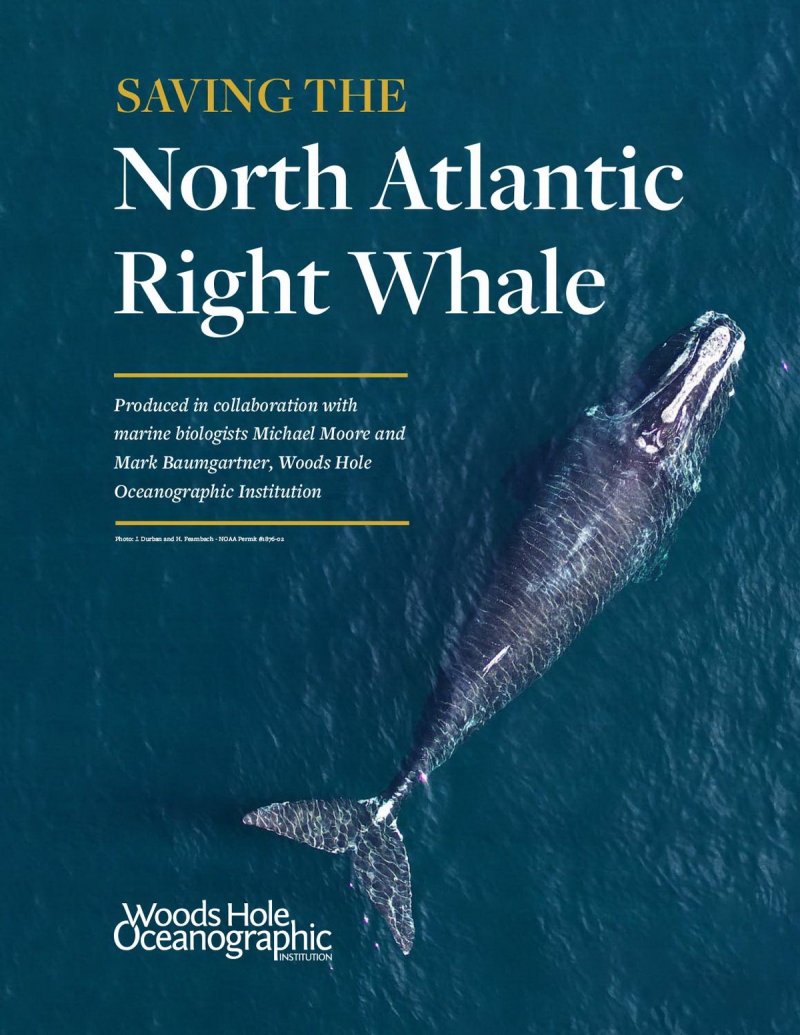
The new report "Saving the North Atlantic right whale"

Cet article a été traduit automatiquement et peut contenir des inexactitudes mineures ; veuillez vous référer à la version anglaise originale en cas de doute.

plus

Scuba Diving Professional Conduct: Redefining Dive Culture Through Consent and Boundaries
AI KB

Déontologie des professionnels de la plongée : redéfinir la culture de la plongée à travers le consentement et le respect des limites

Abordez les questions de déontologie professionnelle en plongée sous-marine et la manière dont SSI promeut le consentement, les limites personnelles, les Standards éthiques et le respect tout au long de la formation à la plongée.

predrag_vuckovic
Scuba Diving Business: How SSI Supports Centers and Pros
AI KB

Le secteur de la plongée sous-marine : comment SSI soutient les centres et les professionnels

Découvrez comment SSI soutient votre activité de plongée sous-marine grâce au programme Pro Rewards, aux outils MySSI, aux ressources marketing, à une approche pédagogique flexible et aux avantages liés au renouvellement en 2027.

istock-microgen
Swimming Injuries: 10 Ways to Help Prevent Strain
AI KB

Blessures liées à la natation : 10 conseils pour prévenir les claquages

Découvrez comment prévenir les blessures liées à la natation grâce à des échauffements, une technique de natation appropriée, des habitudes de récupération et des conseils de sécurité pour pratiquer la natation en toute sécurité.

Scuba Diving for Veterans: How Diving for All Supports Healing After Trauma
AI KB

La plongée sous-marine pour les anciens combattants : comment « Diving for All » favorise la guérison après un traumatisme

Découvrez comment la plongée sous-marine peut aider les anciens combattants à retrouver confiance en eux et à tisser des liens grâce à l’initiative allemande « Diving for All » et au programme « SSI Classified Diving ».

CREMA
Sea Turtle Research: Three Days in the Gulf of Papagayo, Costa Rica
AI KB

Recherche sur les tortues marines : trois jours dans le golfe de Papagayo, au Costa Rica

Suivez trois jours de recherche sur les tortues marines au Costa Rica, du marquage et du suivi à la collecte de données sur le terrain dans le golfe de Papagayo.