Plastic in the sea costs billions
environmentmarine conservationplastic pollutionmarine ecosystemeconomic impact
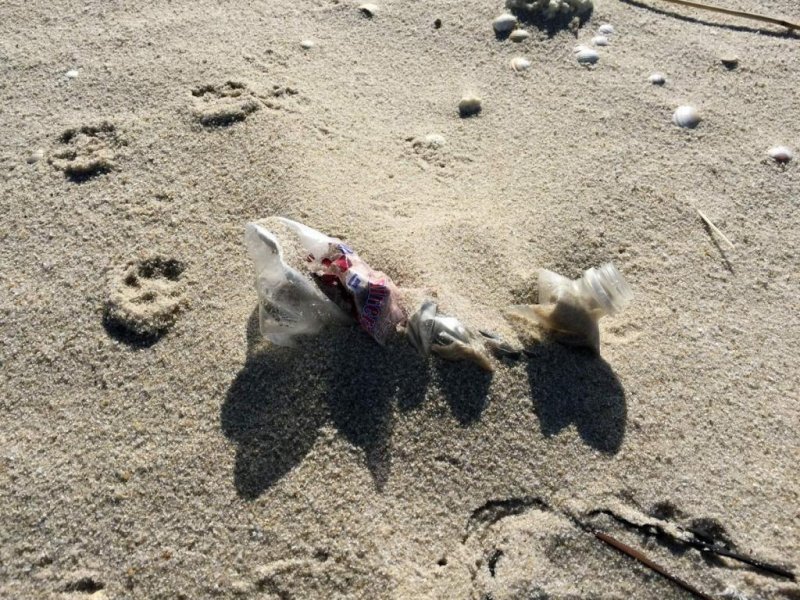
Plastic waste on Westbeach - Sylt, (c) Olaf Klodt
The plastic waste in our seas not only severely damages our environment but costs us (the humans) hundreds, if not thousands of billions of dollars each year. This is the result of a new study by the Plymouth Marine Laboratory on the impact of plastic pollution on the goods and services provided by the marine environment. The new study was recently published in the journal Marine Pollution Bulletin.
Scientific research on the impact of plastics on the ecology of the ocean has grown rapidly in recent years, and its impact has been widely recognized by policymakers and the general public. But the effects of plastic pollution on the marine environment's goods and services, the so-called marine ecosystem services, are far less well-known. Marine ecosystem services contribute extensively to human health and wellbeing, for example by providing food and regulating our climate and weather; we use the ocean for recreation, leisure and for our well-being. If we change or diminish the supply of these goods and services at our own risk, we endanger the well-being of human societies, especially in the coastal regions of the world.
To close this important knowledge gap, a team of scientists led by the Plymouth Marine Laboratory and in collaboration with scientists from the Universities of Stirling and Surrey (UK) and the Arctic University of Norway conducted an analysis of marine plastic research to improve understanding for the social and economic impact.
By first synthesizing the global environmental impacts of plastics and then translating them into impacts on ecosystem services, this study estimates that marine ecosystem services will decrease by 1-5%. That means an annual loss of $ 500 to $ 2,500 billion in benefits from marine ecosystem services worldwide. The researchers calculate costs per ton of plastic in the sea between $ 3,300 and $ 33,000 (based on 2011 data).
The costs are mainly caused by the damage to fisheries and aquaculture and damage in the following areas:
- Destruction of World Heritage sites
- costs due to health consequences
- general consequential damage to the company
Dr. Nicola Beaumont Plymouth Marine Laboratory, lead author of the study, commented, " We know enough now to think about how marine plastics affect marine life, from our megafauna to zooplankton. This study shows for the first time that we have to care about the economic and social consequences directly related to our own health and well-being, our calculations are a first step in the 'pricing of plastics' knowledge of this price can help us in making informed decisions: Recycling one ton of plastic costs us hundreds at the cost of thousands when we bring it into the marine environment, we are already trading carbon to reduce emissions to the atmosphere, we should be able to do something with this aspect of plastic. Politicians and industry need to be aware of this aspect of plastic pollution and begin to make the changes that our ocean and our future desperately need. More Information: https://www.pml.ac.uk Link to the study: https://doi.org/10.1016/j.marpolbul.2019.03.022.
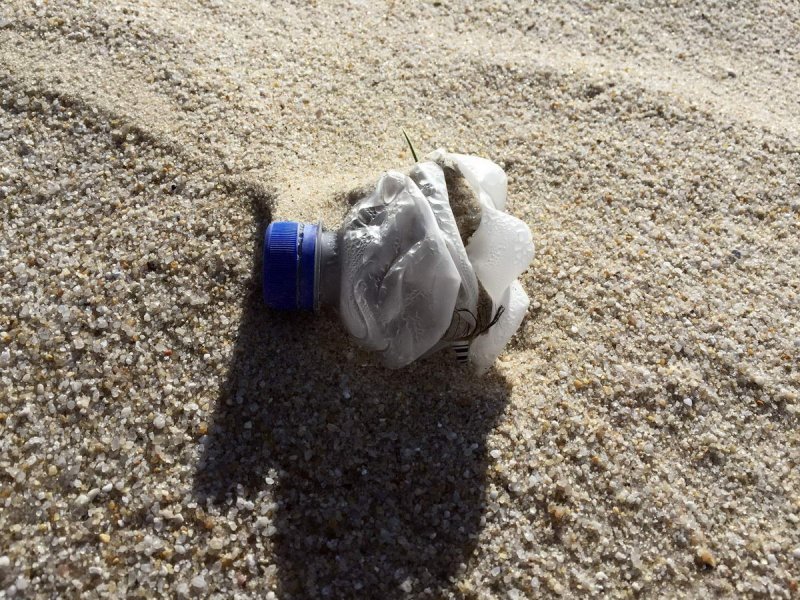
Plastic waste on Westbeach - Sylt, (c) Olaf Klodt
Cet article a été traduit automatiquement et peut contenir des inexactitudes mineures ; veuillez vous référer à la version anglaise originale en cas de doute.