Japan fails, whales benefit
environmentmarine lifeoceanconservationwhaling
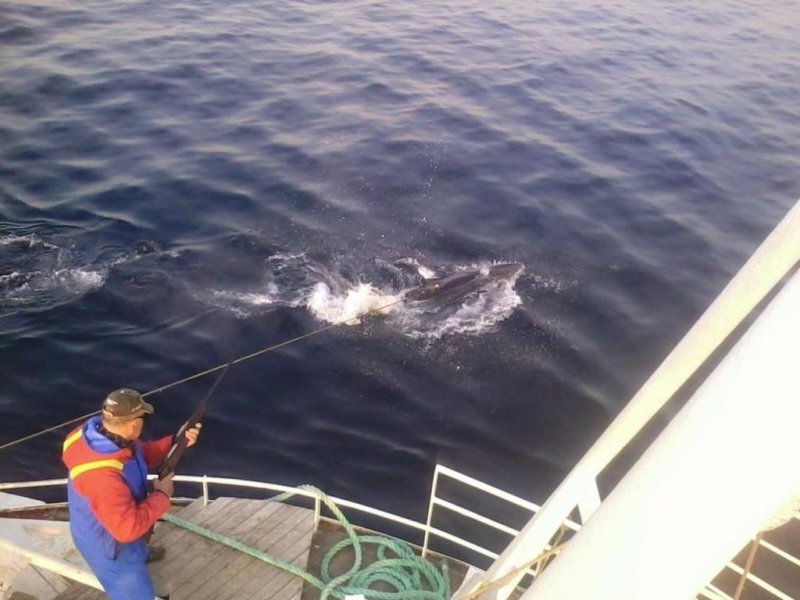
Whaling ban remains (c) IMMCS
Whaling ban remains At the meeting of the International Whaling Commission on September, 14th 2018, Japan's application for "sustainable whaling" was rejected. So we will not see a renaissance of commercial whaling. Japan failed in its request to reintroduce commercial whaling at the annual International Whaling Commission (IWC) meeting. At the meeting in Florianópolis, Brazil, 41 nations voted against the request to lift the whaling moratorium, 27 were on Japan's side and voted in favour (see picture). The IWC has decided on a pleasing reorientation at its meeting. It wants to move from hunting control to permanent protection of world whale populations. According to the "Florianópolis Declaration" adopted at the conference, the economic exploitation of whale populations should only be possible in touristic "whale watching". Dr. Arnulf Köhncke, Head of Species Protection at WWF Germany, comments: " The IWC has prevented a relapse into the whaling era and keeps a clear eye on the protection of the whales. Japan's attempt to weaken the existing moratorium and reintroduce commercial hunting of whales has failed: first, there is no economic need for whale meat, and second, many whale stocks have still not recovered from commercial whaling. Therefore, the fight against ubiquitous threats such as shipping, underwater noise and by-catch in fisheries must be continued and strengthened. The Florianopolis Declaration can point the way to the 21st century for the IWC. It must be an incentive to make the habitat of whales and dolphins safer and to preserve these unique marine mammals in the long term. The downer of this year's IWC: Brazil's South Atlantic Whale Sanctuary was again rejected (since 22 years) - Japan and its supporters thwarted the required three-quarters majority.
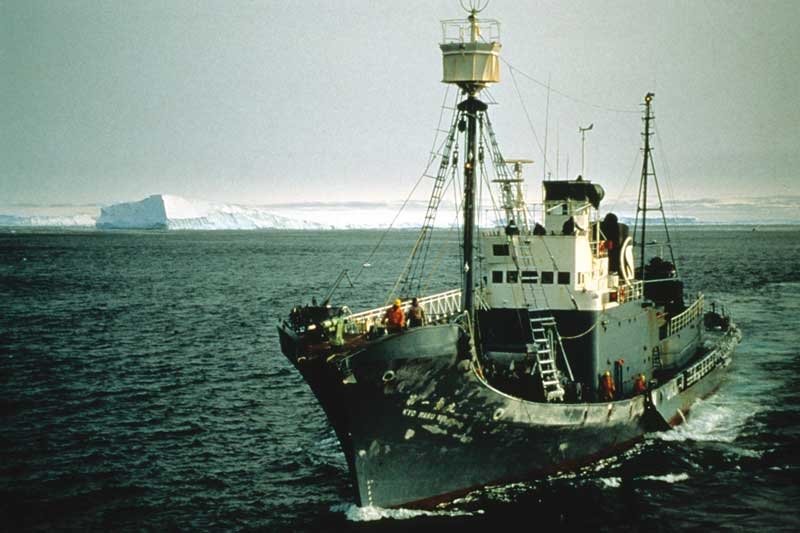
Japanese Whaler (c) Mark Votier/WDC
Cet article a été traduit automatiquement et peut contenir des inexactitudes mineures ; veuillez vous référer à la version anglaise originale en cas de doute.