Headless chicken monster filmed for the second time
environmentmarine lifeunderwater technologyconservationdeep sea
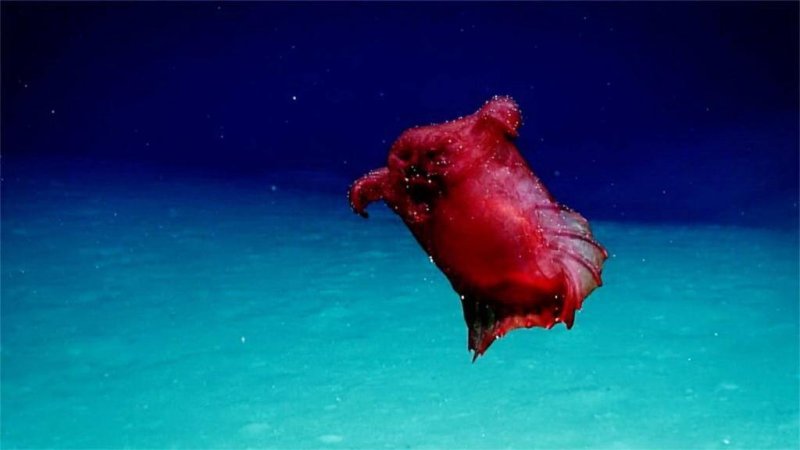
Enipniastes eximia, the "headless chicken monster"
(c) NOAA
Enypniastes eximia - a bizarre sea cucumber, a creature of the deep sea Researchers from the Australian Antarctic Division have developed a new underwater camera technology to be used in longline fishing in the Southern Ocean, not least to monitor the environment. When using the cameras the research team came across species previously unknown in this region. Probably the most astonishing discovery of the researchers: the deep-sea cucumber Enypniastes eximia, the so-called headless chicken monster, which swam right in front of the camera lenses – in the East Antarctic. The unusual creature was previously filmed only once in the Gulf of Mexico. The headless chicken monster lives at depths of 300 to 6,000 meters and reaches body lengths between 6 and 25 centimetres. The body is semitransparent in youth, internal organs, especially the filled intestine, are visible. The colour depends on the height: young specimens are pale pink, older animals dark brownish red to purple and opaque. Dr. Dirk Welsford, Program Manager of the Australian Antarctic Division, explains that the new cameras capture important data that is made available to the International Organization that manages the Southern Ocean to the Commission for the Conservation of Antarctic Marine Living Resources (CCAMLR). The housings of the cameras are designed to be attached to longlines, they have to be extremely durable and sturdy, we needed something that could be thrown off the side of a ship and continue working reliably for long periods of time under the extreme pressure of the deep sea. Some of the shots we took with the cameras are breathtaking, and we see species that we have never seen in this part of the world," explained Dr. Welsford. The real purpose of the cameras is to provide information about the seabed and document the impact of the fishery. Also, sensitive areas should be detected and not fished. " The use of the cameras is a really simple and practical solution that directly contributes to the improvement of sustainable fishing methods ," said Drs. Welsford. More Information: www.antarctica.gov.au
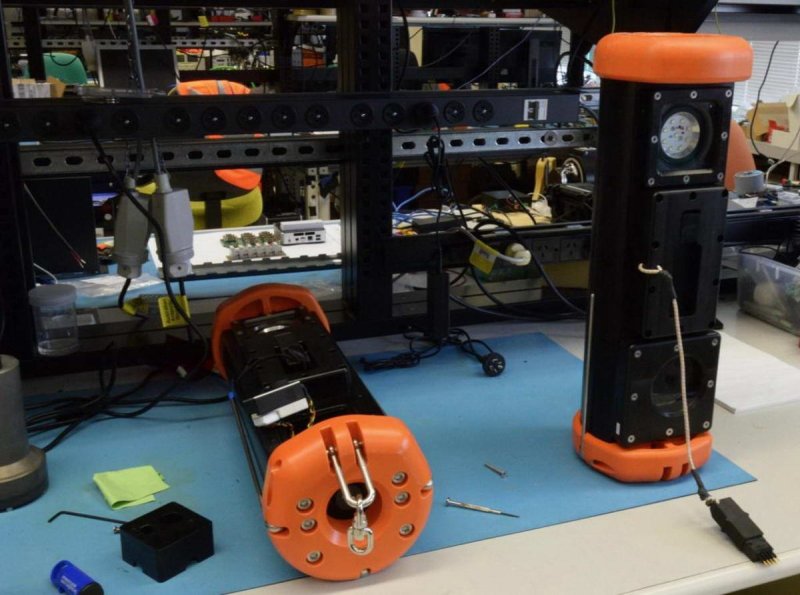
Two of the underwater cameras designed to enhance the sustainability of longline fisheries in the Southern Ocean
(c) Jessica Fitzpatrick
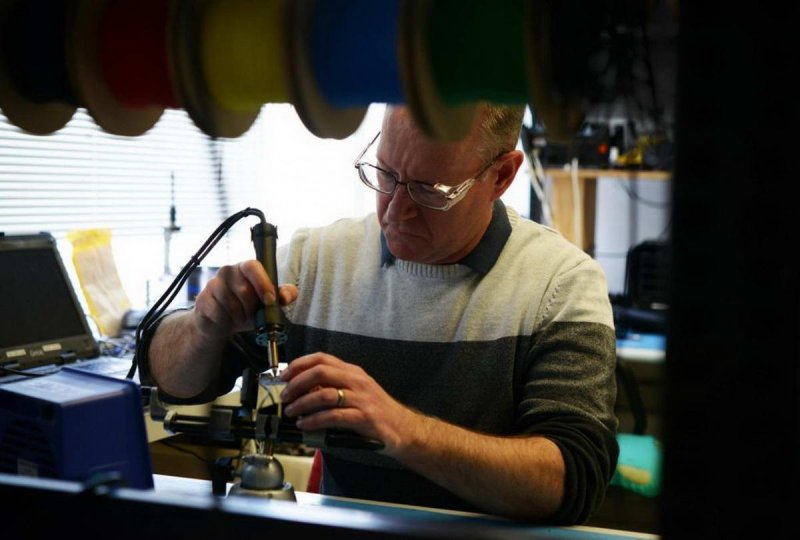
Tim Lamb, technician of the Australian Antarctic Division, works on a UW camera (c) Jessica Fitzpatrick
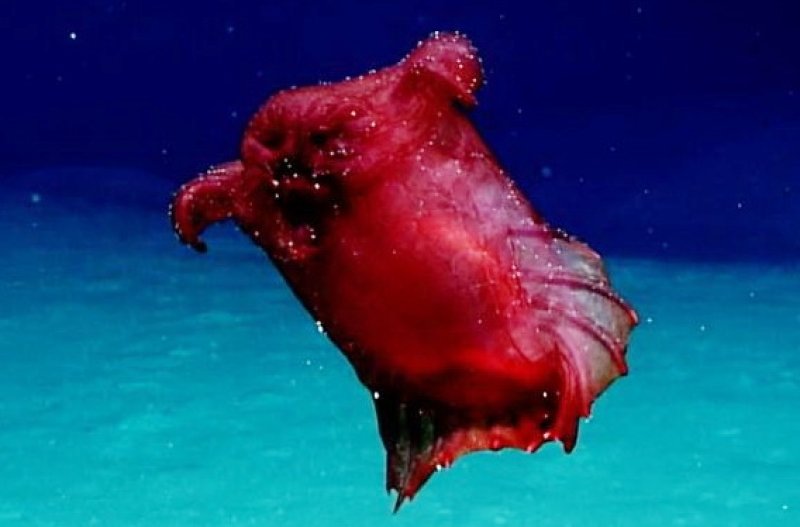
Enipniastes eximia, the "headless chicken monster"
(c) NOAA
Cet article a été traduit automatiquement et peut contenir des inexactitudes mineures ; veuillez vous référer à la version anglaise originale en cas de doute.