South American meeting ends with fresh protection measures for the La Palta dolphin
environmentmarine conservationwildlife conservationsouth americagovernment cooperation
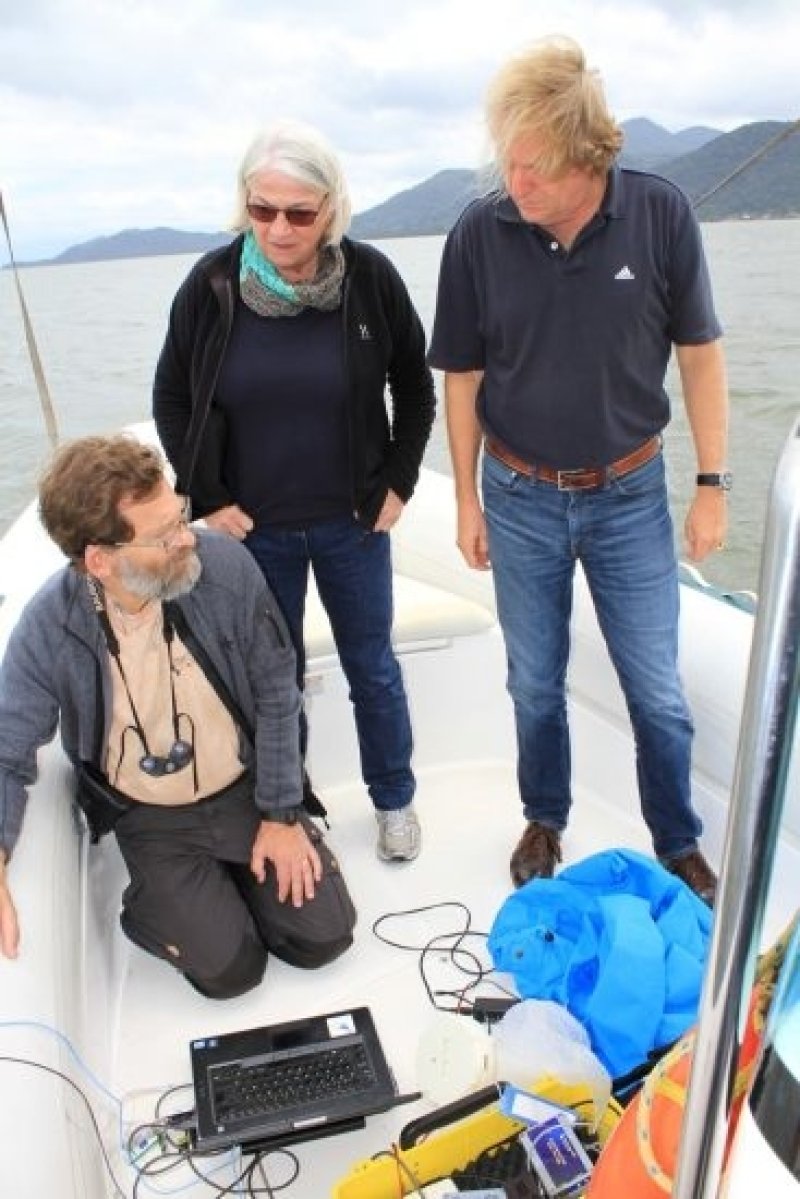
At a recent working meeting of the Franciscana consortium in Brazil, researchers and government officials have decided to implement measures to safeguard the endangered La Plata dolphins.
In São Francisco do Sul in Brazil a meeting of the Franciscana consortium was held from 5th to 9th October 2015. Since 2010, the wildlife conservation society Yaqu Pacha has been coordinating the activities of the consortium, which now includes 25 research groups from South America.
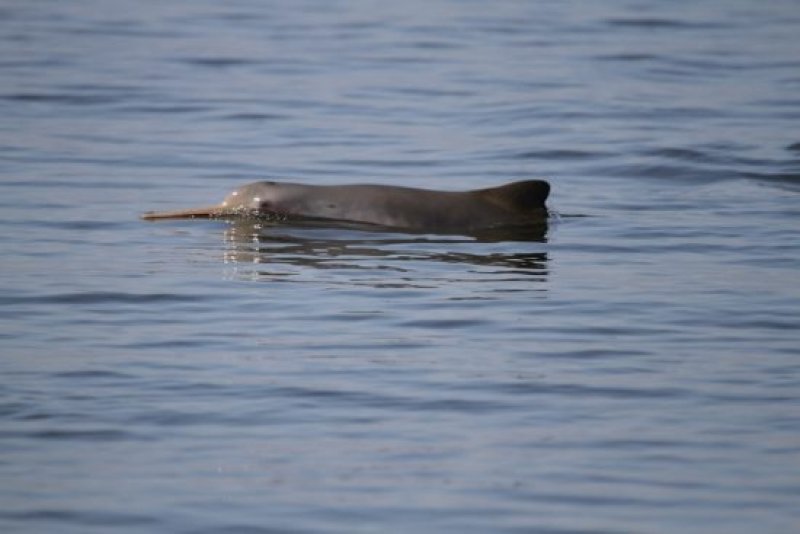
Both Yaqu Pacha and the Nuremberg Zoo support the meeting financially. Its objective is to facilitate the sharing of information and the latest findings about the La Plata dolphin amongst 45 specialists from Argentina, Uruguay, Brazil, USA, Sweden and Germany. The La Plata dolphin - a toothed whale - is a common sight along the Atlantic coast of South America.
This year, the focus is on the preparation of a document which defines the research priorities and future measures for the dolphins‘protection. In addition, new methods would be evaluated for their accuracy and efficiency in estimating the population figures.
From Yaqu Pacha, Dr Mats Amundin (Kolmården Wildlife Park and The SAMBAH Project) from Sweden has also been invited to attend the meeting to evaluate the accuracy of passive acoustic recording devices to measuring the population of the dolphins.
For the first time, government representatives from Argentina, Uruguay and Brazil will attend the meeting. "An intensive cooperation with governments is essential in order to implement protective measures on-site quickly and efficiently," said Dr Lorenzo von Fersen, First Chairman of Yaqu Pacha.
He added that the meeting was a unique opportunity for researchers, government officials and NGOs to collaborate and coordinate on the measures designed to protect the dolphins, as well as to reassess the dolphins level of threat status.
Reference: http://www.yaqupacha.org/
Este artículo se ha traducido automáticamente y puede contener pequeñas inexactitudes; en caso de duda, consulta la versión original en inglés.