The importance of the "ocean weather" for ecosystems
environmentmarine conservationclimate changemarine ecosystemsocean weather
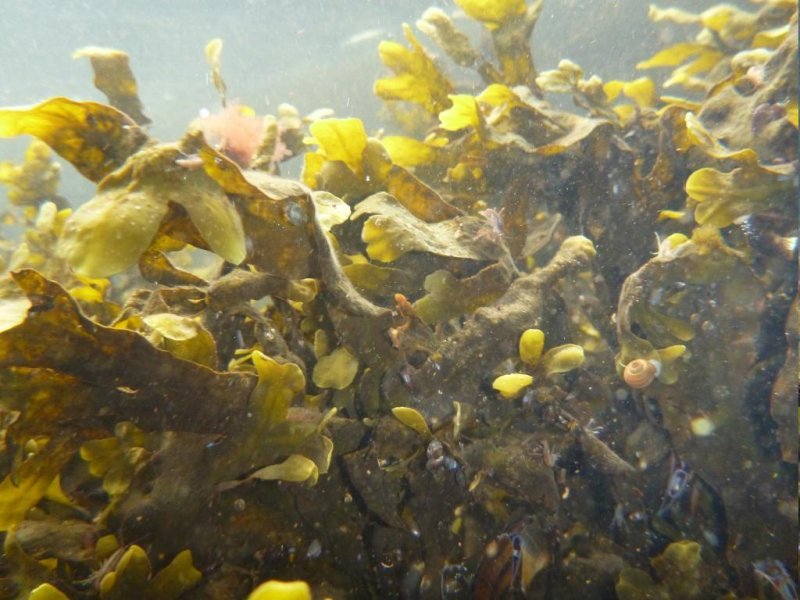
Seaweed (Fucus) without the influence of a heatwave in a controlled benthocosma experiment
(c) Martin Wahl, GEOMAR
Biologists advise against investigating only long-term changes Climate change is increasingly affecting the oceans. Temperature and sea level rise, ocean acidification increases, oxygen content decreases. These processes have an impact on marine ecosystems and are under intense investigation. An international group of marine ecologists now warns against looking only at the impact of these long-term changes ("ocean climate"). Even rapid fluctuations in physical, chemical and biological factors have a major impact on marine life. This "ocean weather" is becoming more extreme, but has hardly been considered in previous studies. Climate change is changing our planet, steadily but slowly, sometimes barely perceptible, especially in the ocean these processes are slower. The studies on the effects of climate change on marine ecosystems focus on these creeping changes, two degrees of warming in 100 years or the drop in pH. There are increasingly strong and rapid fluctuations, which are constantly exposed to the marine environment, but in the previous studies hardly play a role. They have considerable potential to model the consequences of climate change - to buffer or strengthen. Therefore, an international team of marine ecologists calls for these rapid fluctuations to be included in future studies. The contribution of the group, in which two researchers from the GEOMAR Helmholtz Center for Ocean Research Kiel participated, has now been published in the international journal Nature. A degree higher water temperature in the tropics can already decide whether it comes to coral bleaching or not. On the other hand, the water temperature within a tide cycle near the coast can fluctuate by up to 10 degrees. " Marine ecosystems are adapted in different ways to such rapid fluctuations that we call 'ocean weather', " says Prof. Dr. med. Martin Wahl, head of benthic ecology at GEOMAR and co-author of the article. " This stress tolerance of organisms and how it shifts under fluctuations is not taken into account in many climate change experiments. In part, this is also difficult because useful observational data is lacking and corresponding experiments are very demanding," Wahl continued. Often, only a sea surface temperature measured by satellites is available, representing only information about the top millimetre of the water column, with a coarse horizontal resolution. " The small-scale and organism-relevant world is very different, and it is important to find out what effects the rapid fluctuations in marine life have on animals and plants, " adds Dr. Tamar Guy-Haim from GEOMAR, also co-author of the study. For this we need more high-resolution data on environmental variability over as long a period as possible, but also more demanding experiments, " Wahl says. A study on a global temperature increase of two degrees is also meaningless in the atmosphere, if the regional changes, but also seasonal fluctuations and extreme events are not considered. For example, in the long-term trend, droughts, as we are currently experiencing in Germany, would not reflect these, but they would have drastic and long-term effects on ecosystems, Wahl concluded.
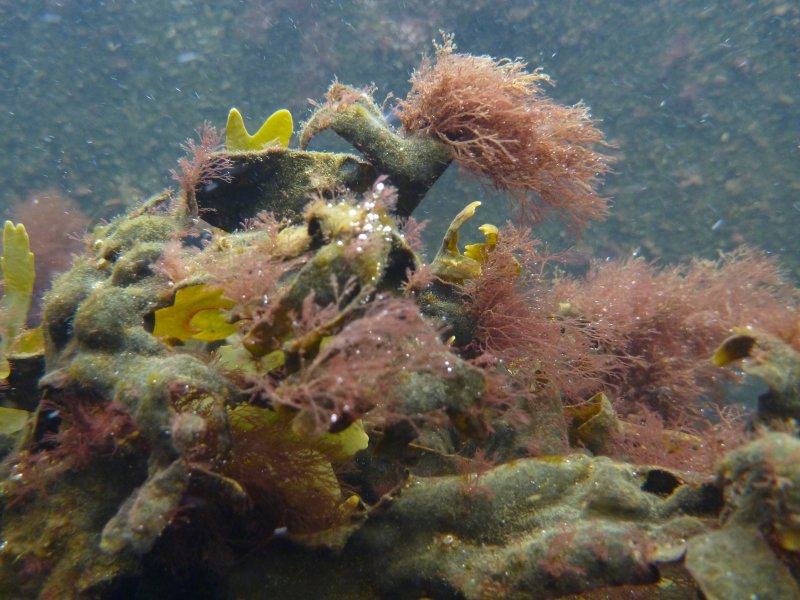
Seaweed (Fucus) under the influence of a heatwave in a controlled benthocosma experiment
(c) Martin Wahl, GEOMAR
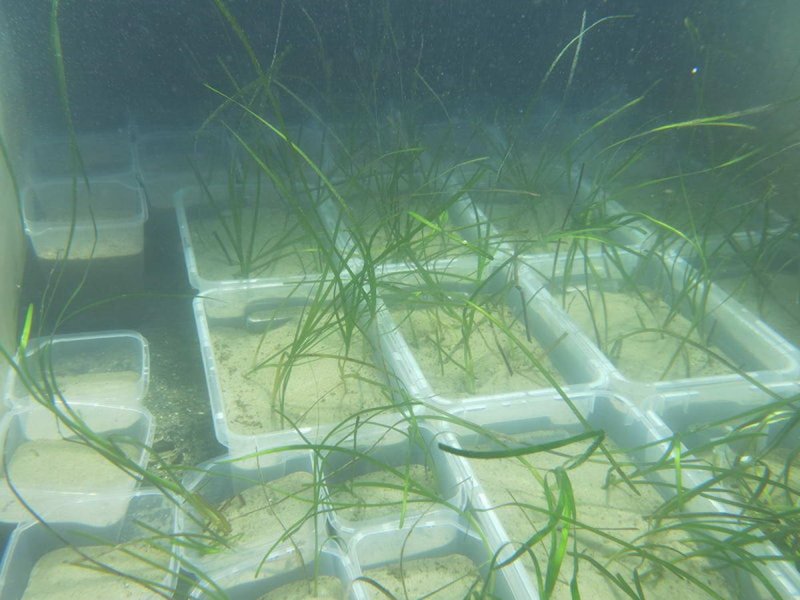
Experiment with Zostera marina (seaweed) in the benthic system of GEOMAR
(c) C. Pansch
Αυτό το άρθρο μεταφράστηκε αυτόματα και ενδέχεται να περιέχει μικρές ανακρίβειες. Σε περίπτωση αμφιβολίας, ανατρέξτε στην πρωτότυπη αγγλική έκδοση.