NABU exits certification process for New Zealand Hoki
environmentmarine conservationsustainabilityendangered speciesfishing industry
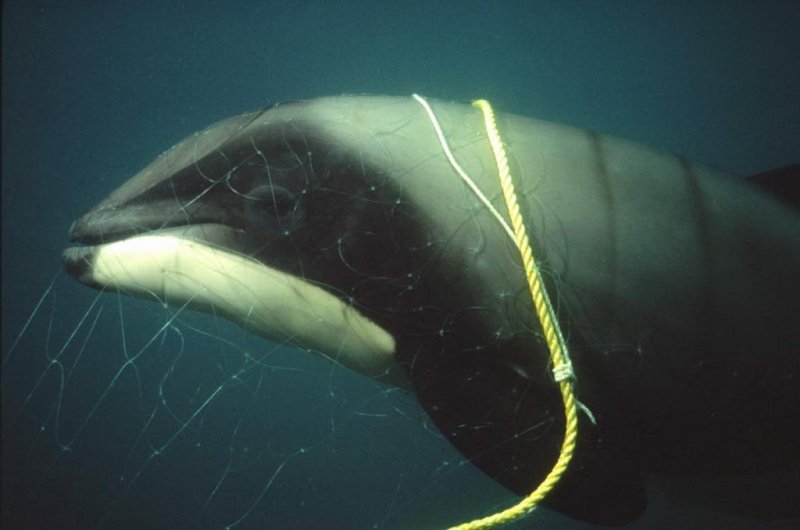
Hector's dolphin (Cephalorhynchus hectori) as bycatch (c) S. Dawson / NABU
MSC seal of approval continues to lose credibility NABU and NABU International Conservation Foundation announced their withdrawal from the Marine Stewardship Council (MSC) certification process to New Zealand's Hoki (Blue hake or Blue grenadier) on 2 October 2018. Hoki-catching in New Zealand is demonstrably unsustainable and does not deserve the MSC seal. The fact that the fish has nevertheless been re-certified speaks in favour of MSC's unreliability and once again reveals the often criticized weaknesses of the rating system, especially in terms of sustainability, endangered species conservation and process transparency, " said Thomas Tennhardt, NABU Vice President and Chairman of the Board NABU International Conservation Foundation. The hoki, also called blue hake (Blue grenadier), is a deep-sea fish, which is fished in New Zealand waters and is also sold in large quantities to Germany. Its certification ignores scientific studies and internal government reports showing that fishing for fish in New Zealand has for many years been subject to illegal practices such as discarding, captive breeding and false catches, according to NABU International.
Protected species as bycatch In particular, the protection of sensitive habitats and the by-catch of protected species speak against a renewed MSC certification of the Hoki. We have made these grievances clear to the certification agency in the framework of the MSC process, " said Barbara Maas, International Wildlife Protection Director at NABU International Conservation Foundation. Every year around 222 fur seals died as by-catch in fishing nets. The bycatch of other endangered species such as albatross, basking shark and dolphin, including the acutely endangered Hector’s dolphin, are not or not reliably recorded. Also the strongly declining stock development of the target fish type itself is incompatible with a certification. " Under these circumstances, NABU's expertise in MSC certification is impossible, " says Maas. In addition, almost all of the data included in the Hoki stock assessment comes from the fishing industry rather than from independent scientific institutions and therefore unreliable. " The NABU and NABU International call for hands-free and credible hands on fisheries control and fisheries research so that the MSC seal is what it promises: evidence of sustainably caught fish. The fact that certification agencies are not mandated and paid by the fishery itself, but that they can act impartially and independently towards them is a prerequisite for a credible seal, " Maas said. MSC seal not reliable The decision of the NABU and the NABU International Conservation Foundation to withdraw from the MSC certification process is the next step after public criticism of MSC’s certification process. At the beginning of the year, an international association of 66 scientists, institutions and associations publicly criticized MSC for its certification practice. Fifty-eight associations from around the world, including the NABU International Conservation Foundation, have joined forces in the "Make Stewardship Count" coalition to seek urgently needed reforms at the MSC. More Information: https://www.nabu.de
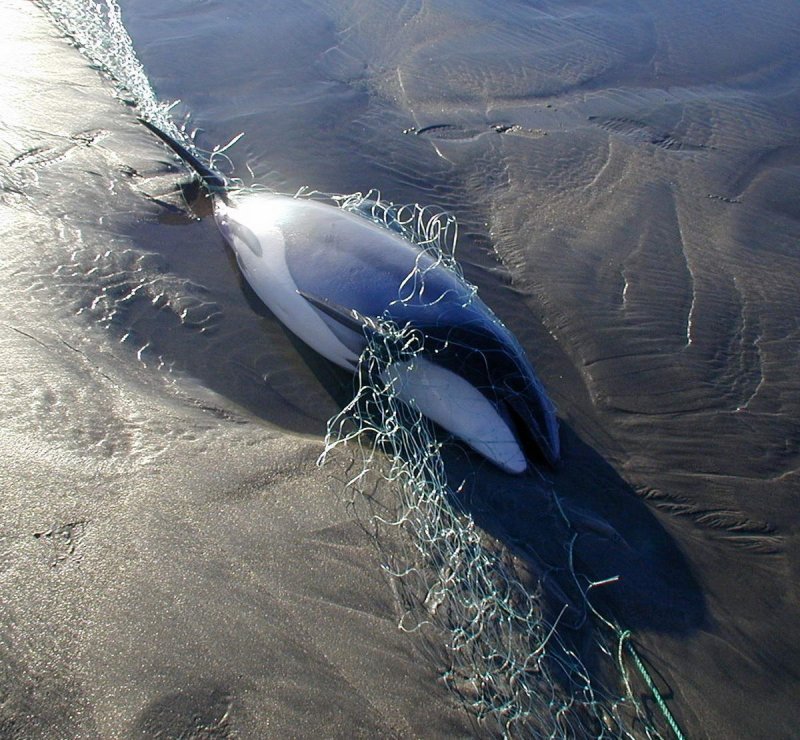
Hector's dolphin deceased in a fishing net (c) S. Dawson / NABU
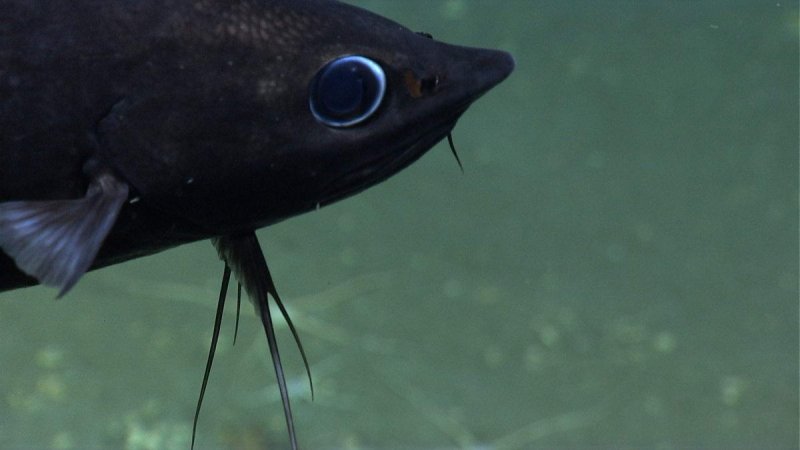
Blue grenadier (Hako) (c) NOAA
Bài viết này được dịch tự động và có thể chứa một số lỗi nhỏ; vui lòng tham khảo bản gốc tiếng Anh nếu có thắc mắc.