Launch of 'Beneath the Waves’ photo gallery
scuba divingenvironmentmarine conservationoceandive against debris
Science fiction author Arthur C. Clarke once said, "How inappropriate to call this planet Earth when it is quite clearly Ocean" Perhaps, if we were to actually call our planet Ocean, more people may take better care of our oceans, they being in a highly threatened state. The world’s oceans hold more than 97 percent of our planet’s water and are home to 80 percent of all animal and plant species worldwide. Without them, life as we know it would cease to exist. They regulate our weather and climate, absorbing almost a third of global carbon dioxide emissions, and are a source of food for many. In addition, more than 70 percent of our oxygen is emitted by marine plants in our atmosphere. Without healthy marine ecosystems, it is unlikely that we would survive for long (Chances are we would all be grilled sooner or later.
Unfortunately, we continue on polluting the oceans with plastic trash; if this continues, it would be a matter of time before the ecosystem collapses. Every year, more than eight million tonnes of plastic waste are dumped into the oceans. Much of it sinks to the seabed or accumulates in large eddies in the open ocean. As such, the extent of this unsightly trash remains unseen to most people, ‘allowing’ us to ignore or be unaware of this urgent issue. Divers who spend time underwater, on the other hand, are constantly reminded on the reality of the problem.
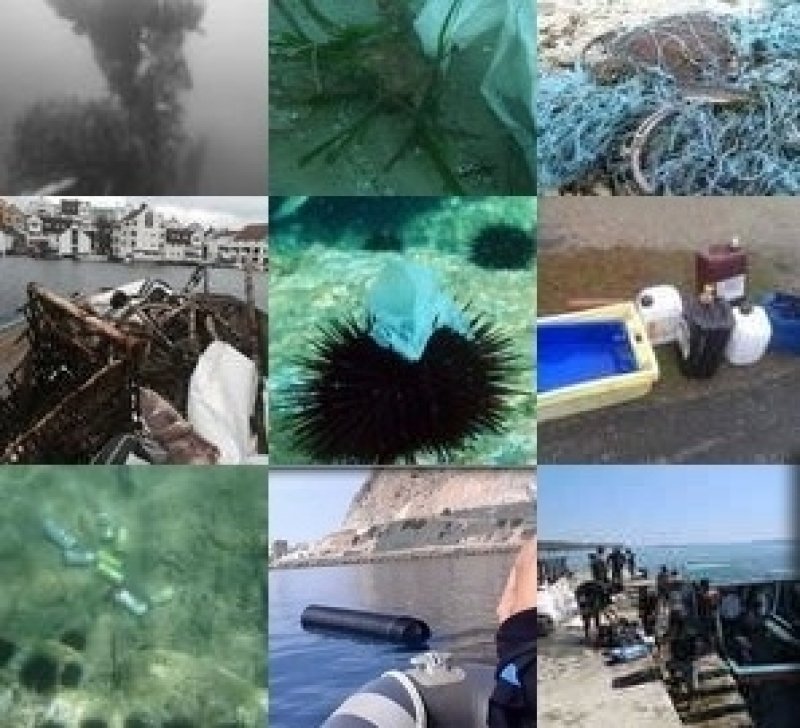
To show the public what lies beneath the ocean surface, Project AWARE has launched "Beneath the Waves", a photo campaign as part of its " Dive Against Debris" campaign. For this, divers can send in their photos depicting plastic waste, whether floating or sunken, and share them with the hashtag #BeneathTheWaves on the website. Upload your photos here!
The aim of the campaign is that people view the photos in the gallery and learn the true extent of our polluted oceans — and try to do something about it.
Bài viết này được dịch tự động và có thể chứa một số lỗi nhỏ; vui lòng tham khảo bản gốc tiếng Anh nếu có thắc mắc.