Fight against plastic waste: rivers to be cleaned
environmentmarine conservationoceantechnologyplastic waste
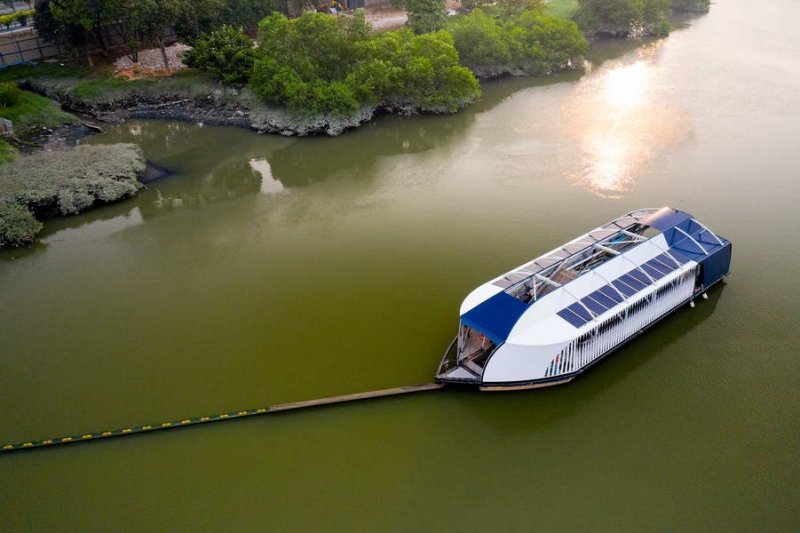
Ocean Cleanup Interceptor in Malaysia (c) Ocean Cleanup
The Ocean Cleanup Project wants to clean rivers of plastic waste The Dutch non-profit The Ocean Cleanup, which is currently making headlines with systems for retrieving plastic waste in the Pacific, has now unveiled a prototype for cleaning plastic-contaminated rivers. Significant amounts of plastic waste floating in the ocean reach it via our rivers - up to 2.4 million tons a year. Ten river systems in the world transport about 90 percent of the world's plastic waste, which flows into the sea every year - eight of which are in Asia. The Ocean Cleanup has recently announced the first successes in cleaning the ocean of marine garbage - we reported. Now, the organization presented an interceptor system called the "Ocean Cleanup Interceptor" designed to retrieve plastic waste from the rivers. After four years of development, four systems are now operational, two of which have already captured plastic waste in rivers in Indonesia and Malaysia. The third system is to be deployed in the Mekong Delta in Vietnam, and another is being prepared for deployment in the Río Ozama in the Dominican Republic. Each of these solar-powered systems can collect approximately 50,000 kilograms of waste per day, according to The Ocean Cleanup. The plan is to use the technology on 1,000 rivers worldwide within five years. "If we can do that, we can get our oceans clean again," said Boyan Slat, founder of The Ocean Cleanup. The Ocean Cleanup Interceptor system is environmentally friendly and 100 percent solar powered. Integrated lithium-ion batteries make it possible to work day and night without noise and exhaust fumes. The system is anchored to the riverbed to utilize the natural flow to trap the plastic and is designed for 24/7 automatic operation, eliminating hazardous manual work. The floating barrier, with which the garbage is led into the system, extends only over a part of the river. It does not disturb other vessels, and does not affect the safety or movement of wildlife - critical requirements for use in large rivers. An on-board computer connected to the Internet monitors the performance, power consumption, and health of the components of the system.
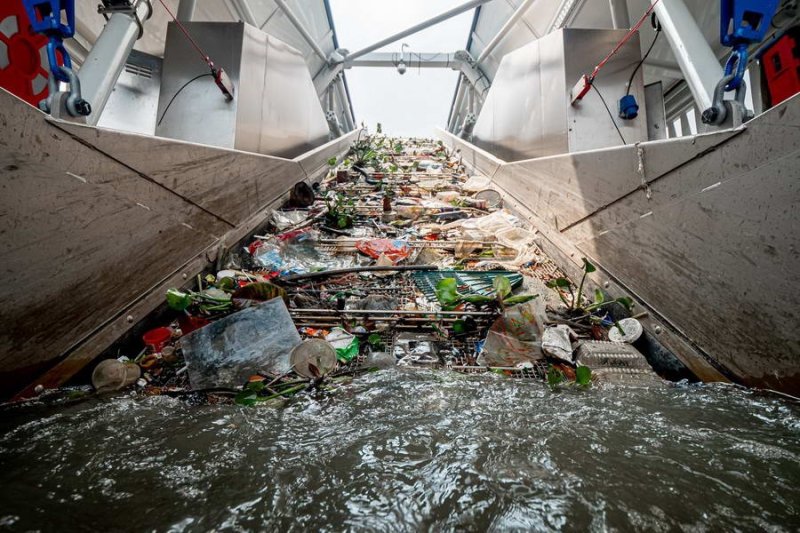
Ocean Cleanup Interceptor in Malaysia (c) Ocean Cleanup
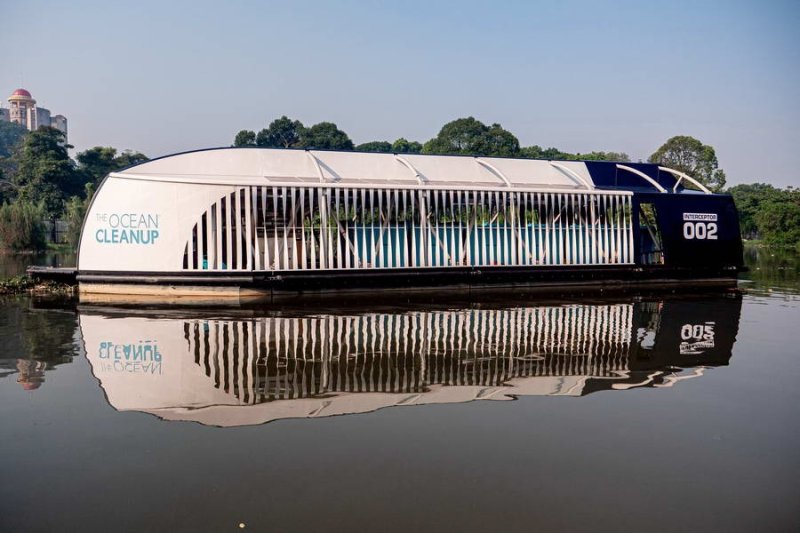
Ocean Cleanup Interceptor in Malaysia (c) Ocean Cleanup
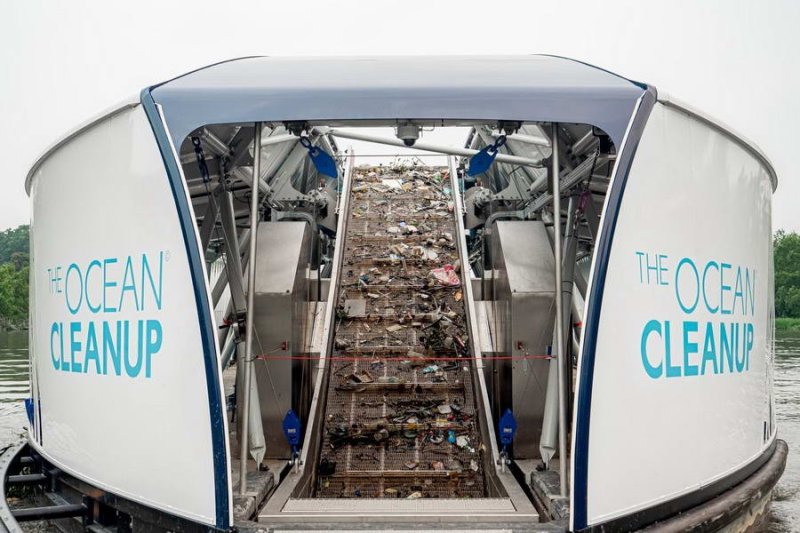
Ocean Cleanup Interceptor in Malaysia (c) Ocean Cleanup

Ocean Cleanup Interceptor in Malaysia (c) Ocean Cleanup
Bài viết này được dịch tự động và có thể chứa một số lỗi nhỏ; vui lòng tham khảo bản gốc tiếng Anh nếu có thắc mắc.