Atlantic killifish able to adapt to high levels of pollution
environmentmarine lifepollution adaptationatlantic killifishenvironmental genomicsgenetic diversity
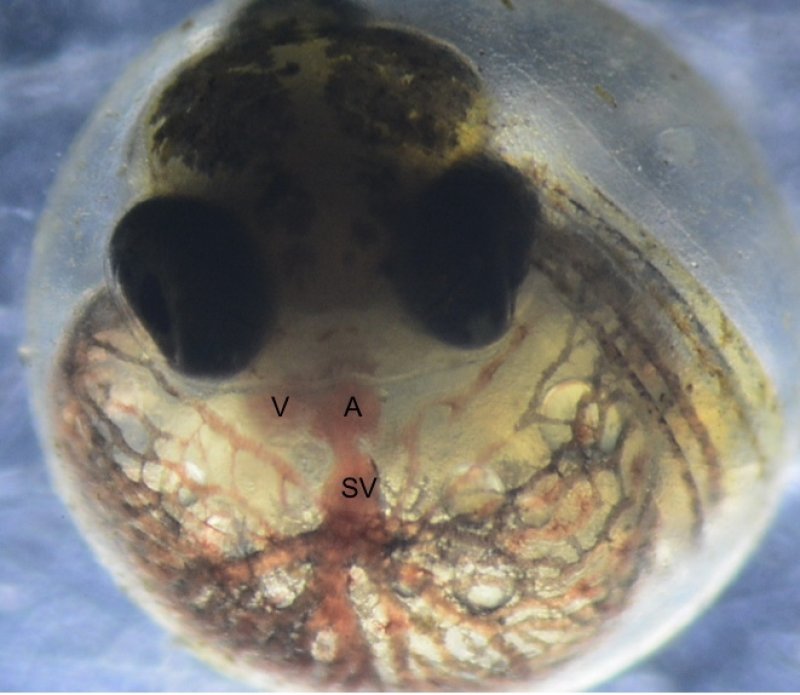
A comparison of a normally developed Atlantic killifish embryo (Pic 1) and a PCB-affected embryo (Pic 2): The fish has a deformed heart. Killifish that have evolved tolerance to chemical exposure show limited signs of developmental defects. (c) Bryan Clark/U.S. EPA
Wild Atlantic killifish populations have been found to possess the
ability to adapt to toxic pollution, according to a new report
published in the Science journal. A collaborative team of researchers from several institutions have
discovered that some populations of this fish living in urban estuaries
are up to 8,000 times more resistant than others to highly toxic
industrial pollutants like dioxins, heavy metals and hydrocarbons.
To identify the mechanism behind the adaptation, the genomes of four
wild populations of pollution-tolerant killifish were compared with
four non-tolerant populations. The genes responsible for the trait were
found to be those involved in the aryl hydrocarbon receptor (AHR)
signalling pathway, which combined with observations of desensitisation
of this pathway in tolerant populations, led the researchers to
conclude that the AHR pathway was a key target of natural selection.
According to a press release issued by the University of Birmingham:
" The team also showed that the potentially negative effects of
desensitisation of the AHR pathway were ameliorated through
compensatory adaptations in terms of cell cycle regulation and immune
system function. This, combined with the diversity of pollutants
present in estuaries, results in a relatively complex adaptive genotype
in wild populations compared to that of laboratory models. Professor John Colbourne, the University's Chair of Environmental
Genomics oversaw the sequencing of the genomes. He said that the report
highlighted the complexity of the processes involved in the fish's
adaptation, saying that the Atlantic killifish was well-positioned to
evolve the necessary adaptations due to their large population sizes
and relatively high level of DNA diversity in their populations.
He added, " It also demonstrates how the DNA of populations that differ
in their susceptibility to pollutants can reveal 'signatures' of the
adverse effects of chemicals in the environment. Despite their findings, the research team cautions against using their
discovery to justify polluting the natural environment. Lead author
Andrew Whitehead, associate professor in the University of California
Davis' Department of Environmental Toxicology said, " Unfortunately,
most species we care about preserving probably can't adapt to these
rapid changes because they don't have the high levels of genetic
variation that allow them to evolve quickly. "
Read more: The genomic landscape of rapid repeated
evolutionary adaptation to toxic pollution in wild fish
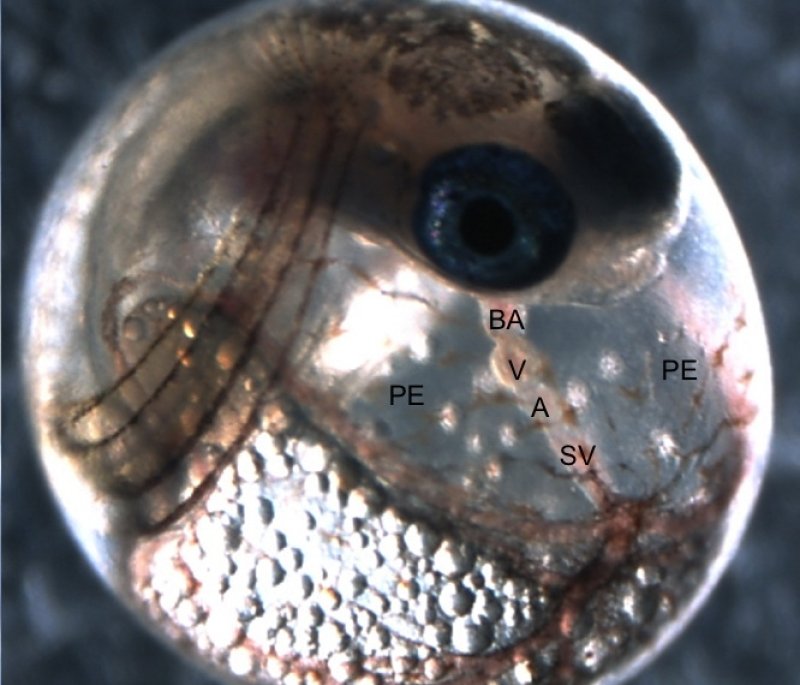
A comparison of a normally developed Atlantic killifish embryo (Pic 1) and a PCB-affected embryo (Pic 2): The fish has a deformed heart. Killifish that have evolved tolerance to chemical exposure show limited signs of developmental defects. (c) Bryan Clark/U.S. EPA
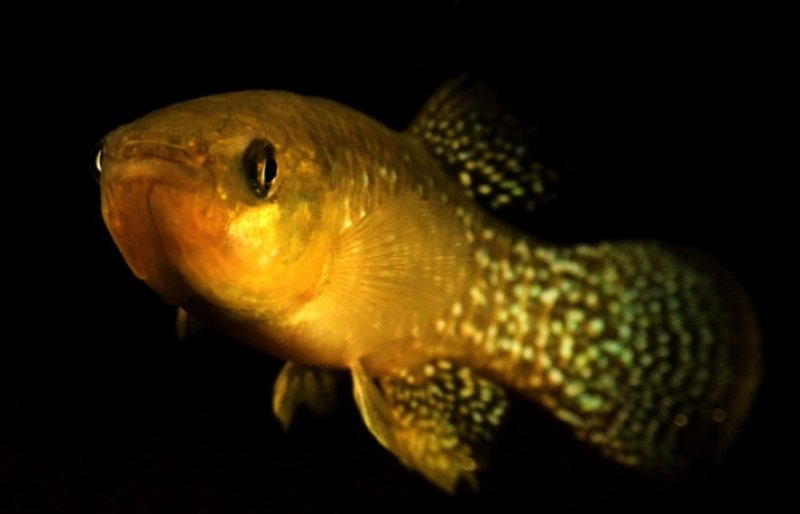
Atlantic killifish like this one have evolved to adapt to highly toxic levels of pollution.
(c) Andrew Whitehead/UC Davis
Bài viết này được dịch tự động và có thể chứa một số lỗi nhỏ; vui lòng tham khảo bản gốc tiếng Anh nếu có thắc mắc.