Only 13 percent of the world's oceans are still untouched
environmentmarine conservationcoral reefoceansea
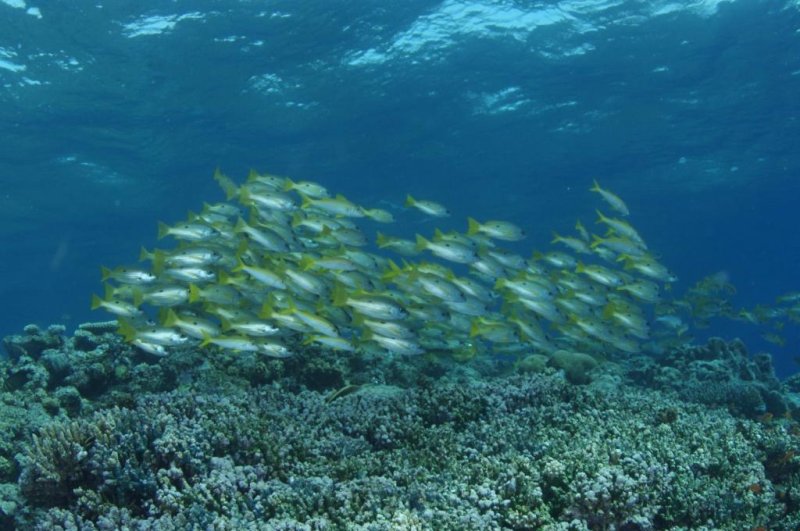
Only 13 percent of the world's oceans are still untouched (c) Todd Essick
The marine wilderness of the world is dwindling An international study led by scientists from the University of Queensland (UQ) concludes that only 13 percent of the ocean remain wild. Researchers from the UQ School of Biological Sciences, along with an international team of researchers, have identified marine environments with no intense human impact by analyzing 19 stressors, including commercial shipping, sediment runoff and various types of fisheries. Doctoral student Kendall Jones emphasizes that most of the remaining marine wilderness is unprotected. Sea areas that can be considered untouched are becoming increasingly scarce as fishing fleets and maritime fleets extend their reach to almost all oceans and sediment outflows suffocate many coastal areas. Improved ship technology could endanger even the most remote wilderness areas, including formerly ice-capped areas that are accessible today through climate change, " says Jones. The researchers found little wilderness in coastal habitats like coral reefs. The reason: people live nearby. The researchers discovered the wilderness primarily in the Arctic and Antarctic or around remote Pacific island nations such as French Polynesia. Professor James Watson, Director of Science at the Wildlife Conservation Society (WCS), stresses that the findings underscore the immediate need for conservation measures to recognize and protect the unique values of the marine wilderness. Sea wilderness areas are home to an unprecedented life, with a high biodiversity and high genetic diversity that gives them resilience to threats such as climate change, and we know that these areas are catastrophic and their protection must be placed at the center of multilateral environmental agreements. If not, they will probably disappear in 50 years, " explains Professor James Watson, Director of Science at the Wildlife Conservation Society (WCS). Mr. Jones explains that the conservation of the marine wilderness also requires the regulation of the high seas, which historically has proved difficult since no land is responsible. " At the end of last year, the United Nations began developing a legally binding ocean-rights agreement, a sort of Parisian agreement for the ocean, which would have the power to protect large areas of the high seas and be our best chance to gain access to Earth's last remaining wilderness save," says Jones. More information: www.uq.edu.au Link to the study: https://www.cell.com/../S0960-9822(18)30772-3 Video: https://youtu.be/yUYPSAhpqBA
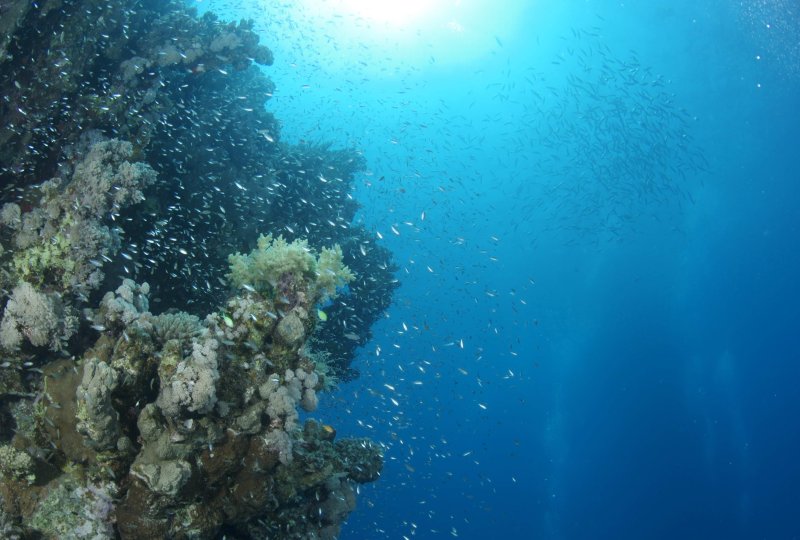
Only 13 percent of the world's oceans are still untouched (c) Todd Essick
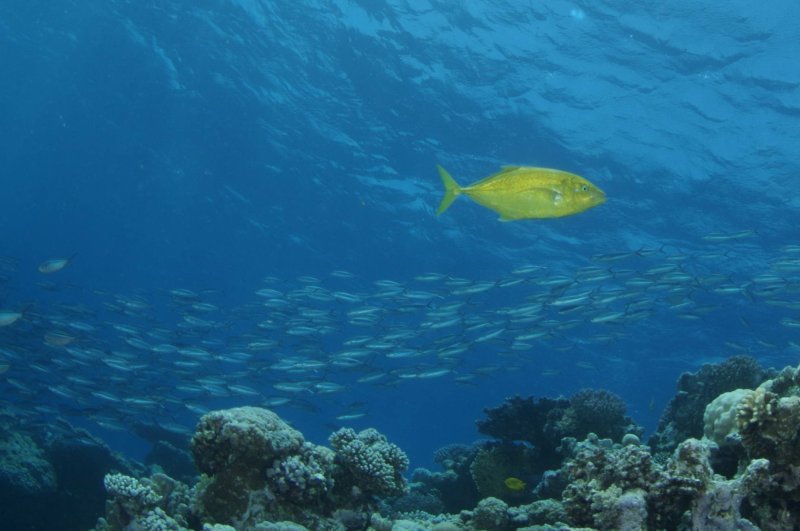
Only 13 percent of the world's oceans are still untouched (c) Todd Essick
Questo articolo è stato tradotto automaticamente e potrebbe contenere piccole imprecisioni; in caso di dubbi, consulta la versione originale in inglese.