Ban on European eel fishing in Baltic Sea proposed
environmentmarine conservationendangered speciesbaltic seaeuropean eelfishing ban
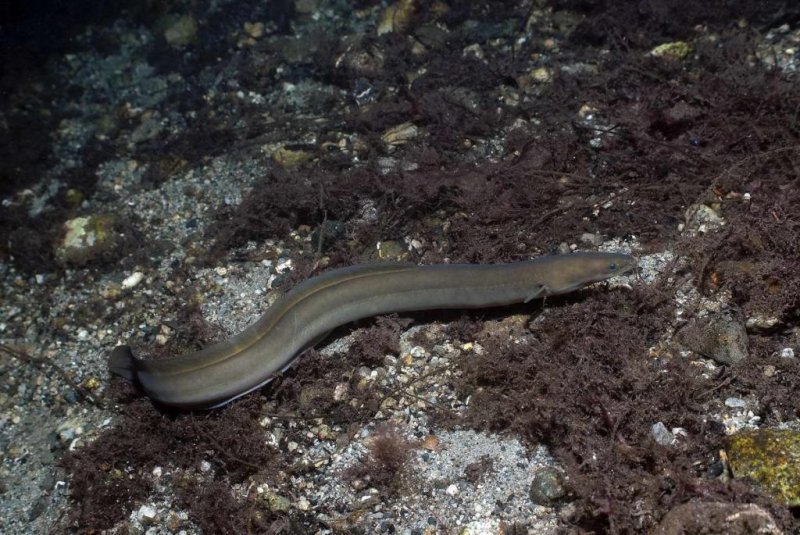
European eel
(c) Erling Svensen, WWF
EU Commission is first to include eel in catch quotas The European eel is fighting for survival. In the last 30 years, its population has dropped by 90 percent. As a result, it is now listed "critically endangered" on the IUCN Red List. On 29 August 2017, the European Commission proposed a complete ban on eel fishing in the Baltic Sea.
This ban covers both commercial and recreational fishing in the Baltic Sea and will come into effect in 2018. This is the first time eel fishing would be regulated within the framework of the catch quotas.
We have been watching eels become extinct for years, and it is high time to stop fishing this endangered species. An eel fishing ban for the Baltic Sea is therefore a logical step. Ultimately, however, fishing for eels should be stopped in all European and North African waters until the stock recovers. Scientists have been calling for eel fishing to be stopped for the past 17 years, " said WWF Germany’s fisheries expert Philipp Kanstinger in German.
In addition to coastal waters, eels also populate rivers and other inland waters. The inland eel fisheries are not affected by the EU Commission's proposal as they are not regulated by EU catch quotas for the North Sea or Baltic Sea.
However, the eels in the rivers and lakes nevertheless face other threats like fishing, pollution and natural predators such as cormorants. In our regulated rivers, weirs, turbines and pumps are deadly obstacles in the long journey through Europe for adult eels, " said Kanstinger. He added that many eels do not make it to the sea.
Eel larvae hatch in the Sargasso Sea and cross the Atlantic in a 5,000-kilometre journey. Although just seven centimetres, the eels reach Europe after up to three years, then they migrate to rivers where they grow to sexual maturity in fresh water for approximately 10 to 20 years. As adult eels, they then return to Sargasso Sea to breed, and it is there that they will die after spawning.
Eels are fished at all stages of their development. Because they do not reproduce in captivity, all eels – including those in aquaculture facilities originate from the wild, " said Kanstinger.
He urged consumers not to consume animals that are endangered. In fact, for years, the WWF has been advising against the consumption of the European eel in its guidebook.
For more Information see here
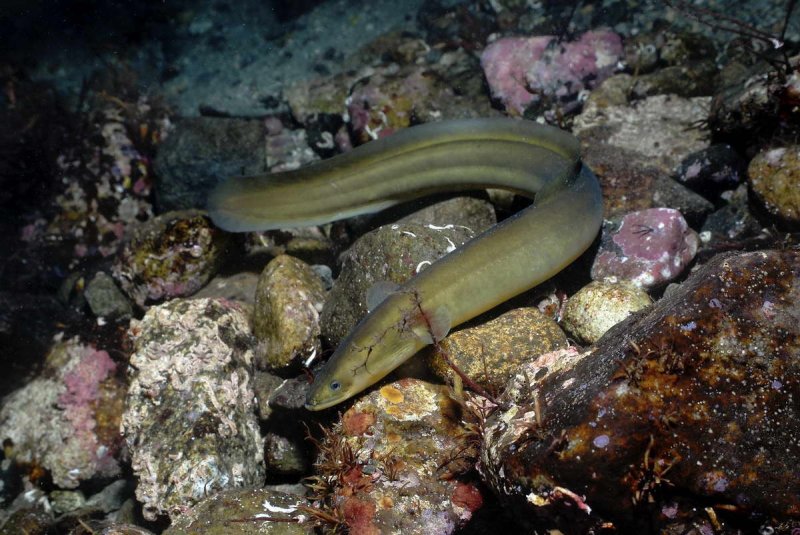
European eel
(c) Erling Svensen, WWF
מאמר זה תורגם אוטומטית וייתכן שהוא מכיל אי דיוקים קלים; אנא עיינו בגרסה המקורית באנגלית במקרה של ספק.