Rising temperatures disrupt fish behaviour
environmentclimate changemarine biologyaquaculturefish behavior
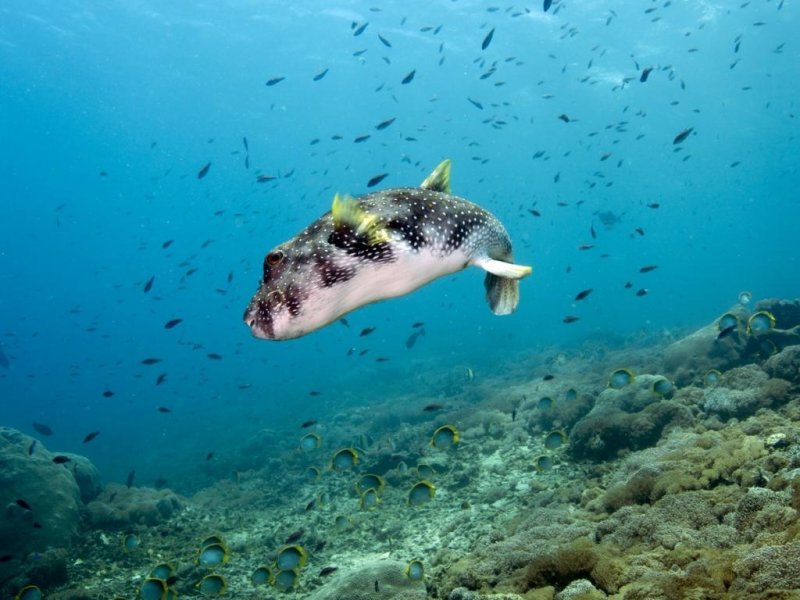
Fish's sense of sight, smell and hearing becomes impaired due to rising carbon dioxide levels
(c) Jan Finsterbusch
Fish's sense of sight, smell and hearing becomes impaired due to rising carbon dioxide levels
The survival instincts of fish have been impaired by climate change, causing them to swim towards danger instead of away from it. This is the conclusion reached by a team of marine biologists at the University
of Essex.
Their findings have been published in the latest issue of Global Change Biology journal.
Based on their research, the fish's sense of sight, smell and hearing becomes impaired in the presence of rising carbon dioxide levels. Their subsequent abnormal behaviour is linked to how carbon dioxide disrupts the way the brain processes the signals from the body’s sensory organs.
In light of projections in which carbon dioxide levels are expected to increase 2.5 times by the end of this century, the research team – comprising Dr Robert Ellis and Dr Rod Wilson from the university, and Dr Urbina from Chile – have turned their sights to fish farms. Here, they believe, lies the key to establishing the long-term impact of carbon dioxide on marine life. This is because farmed fish often live in environments where the carbon dioxide levels are ten times higher than those in the wild.
Describing the fish farms as a "giant long-term laboratory experiment," Dr Ellis said that aquaculture might help in climate-change experiments. He elaborated that "there is the enticing possibility that fish and shellfish previously grown in high CO2 aquaculture conditions over multiple generations can offer valuable insights regarding the potential for aquatic animals in the wild to adapt to the predicted further increases in CO2."
By studying farmed fish, the researchers hope to discover how aquatic species would evolve to deal with climate change in the future.
Along the way, the aquaculture industry may also reap some benefits.
To date, the research has revealed that relatively small increases in carbon dioxide may act as a growth stimulant in some fish while extremely high levels can reduce digestion efficiency in cod.
Dr Wilson added that "our research will allow fish farmers to optimise conditions, and specifically CO2 levels, to improve growth and health of their fish, profitability and the long-term sustainability of the industry. This is really important given that aquaculture is the only way we will increase seafood production to feed the growing human population, particularly given wild fish stocks are overexploited."
Video
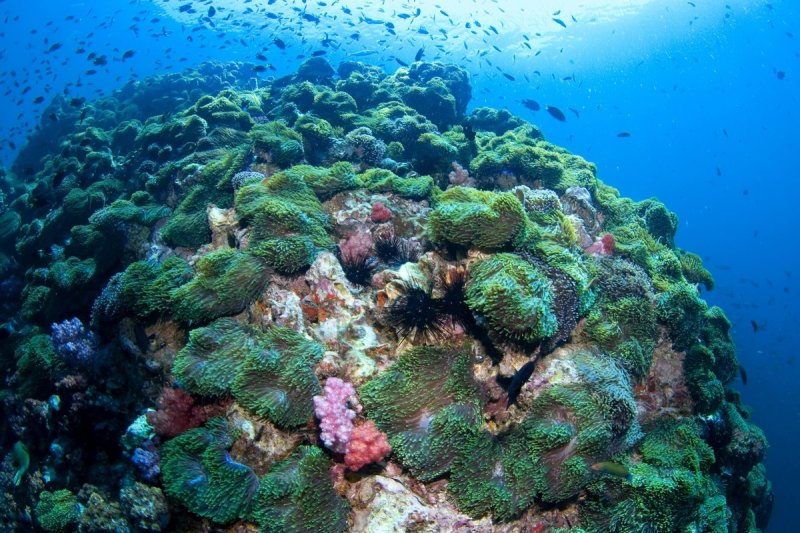
Fish's sense of sight, smell and hearing becomes impaired due to rising carbon dioxide levels
(c) Archive Taucher.Net
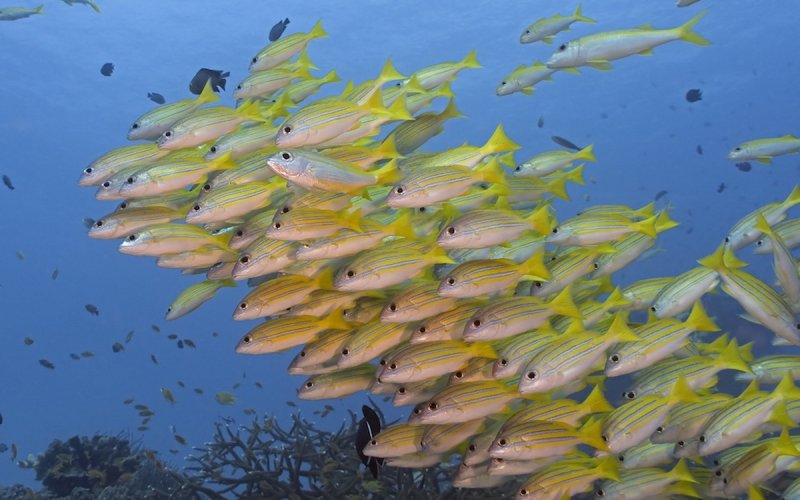
Fish's sense of sight, smell and hearing becomes impaired due to rising carbon dioxide levels
(c) Archive Taucher.Net
Cet article a été traduit automatiquement et peut contenir des inexactitudes mineures ; veuillez vous référer à la version anglaise originale en cas de doute.