Drastic cuts in fishing quotas needed to prevent collapse of cod stocks in Baltic
environmentmarine conservationwwffishing industrycod stocks
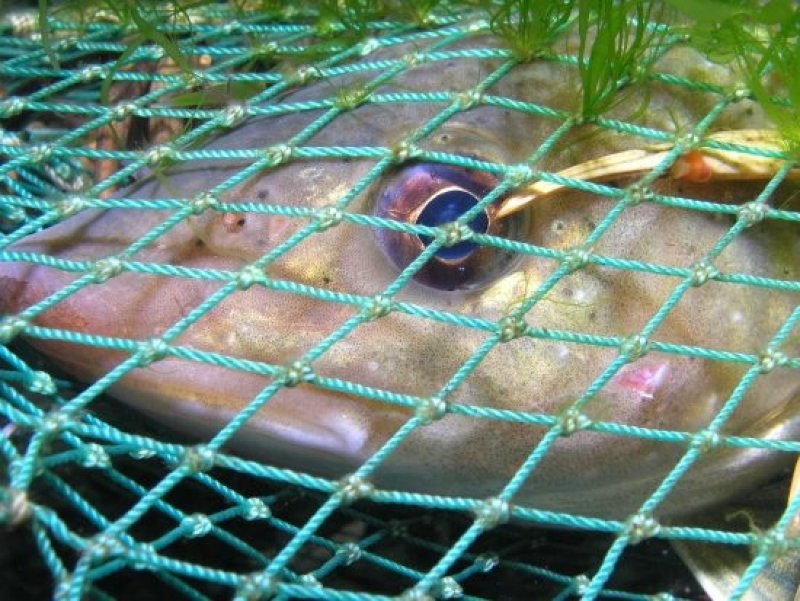
Cod caught in a bow net. (c) Elisabeth Knoll
The cod crisis is ‛homemade’
The future of fishing in the Baltic Sea is on the line. Scientists are recommending a 87-percent reduction in fishing quotas to prevent the collapse of the cod stock in the western Baltic Sea.
For many fishermen, particularly those in Schleswig-Holstein, this reduction would threaten their livelihoods. However, if the cod stocks were to collapse, this would certainly mean the end of the fishing industry in the Baltic Sea. At the German fishing day (August 23rd to 25th in Potsdam) warns the WWF to implement the recommended quota reductions and to provide options for affected fishermen to adapt and cope. Suggestions such as scrappage schemes and socially responsible decommissioning for fishing boats have been put forth as emergency measures. According to the WWF, it is essential that fishing practices help to build up the fishing stocks, as we have reported on 15 July 2016. ( https://blog.mares.com/overfishing-causes-collapse-of-cod-fisheries-in-baltic-sea-2031.html )
"The cod crisis is ‛homemade’. The western cod has been overfished for decades. As a result, the cod is no longer sufficient for all. The fleet capacity needs to be reduced now and be aligned with realistic fishing opportunities," said WWF’s fisheries expert Stella Nemecky in German. A half-hearted quota reduction despite the scientific advice endangers the recovery of the stock and is therefore not in the long-term interest of the fisheries.
The reduction in fishing quotas and bridging options are expected to be necessary until at least 2019. "October will show how the following year’s class will fare. This would depend on how fast cod stocks recover, so that moderate fishing is not jeopardised." said Nemecky.
The WWF criticises the German fisheries policy that has so far disregarded statutory precautions for years. "For overfished stocks, the consequences will be serious. Good fisheries management needs to be prepared for this worst-case scenario so that the entire fishery is not placed under threat," said Nemecky. As such, the good year classes need to be used to safeguard the development of fish stocks in such a situation.
The WWF advocates an extension of the closed season for spawning fish as well as a change of fishing for the other species. In addition, if fishermen want to change to a more selective way of catching fish that reduces the catches of immature young cod, this should also be encouraged.
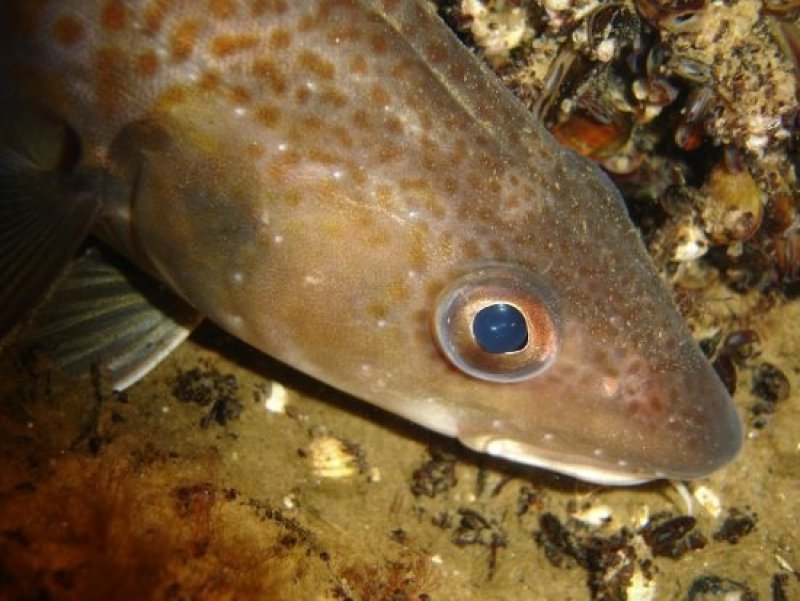
Cod (c) Andreas Noack
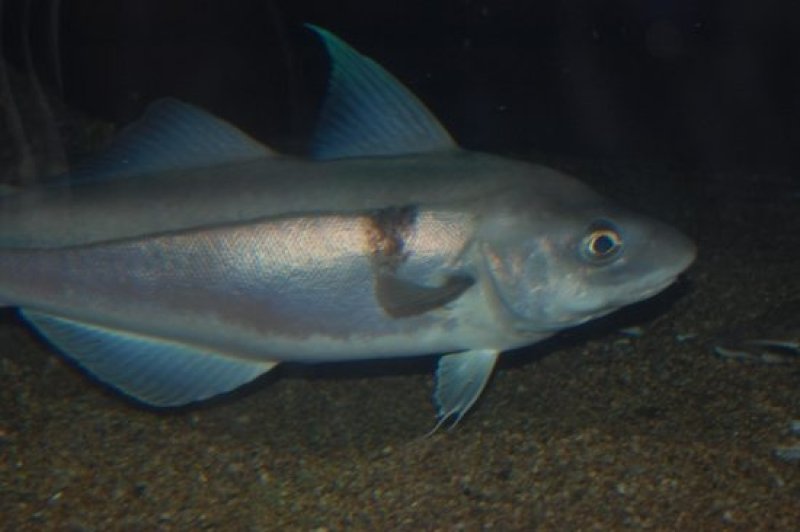
Haddock – a cod species. (c) Wikipedia / Steven G.Johnson
Cet article a été traduit automatiquement et peut contenir des inexactitudes mineures ; veuillez vous référer à la version anglaise originale en cas de doute.