Coral reefs vulnerable to climate change
coral reefsenvironmentmarine conservationclimate changethermal stress
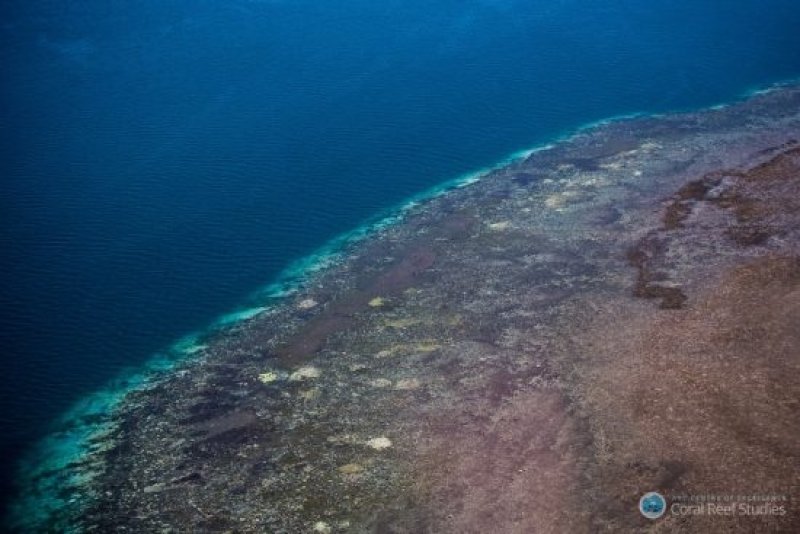
Aerial survey of the 2016 Great Barrier Reef bleaching event (c) Coral CoE
Global index of thermal stress has tripled since the late 19th century
Over the last two years, the massive coral bleaching taking place at many of the world’s coral reefs has affected their susceptibility to thermal stress with global warming already hitting 0.9 degrees Celsius to date.
"Climate is changing rapidly for tropical coral reef ecosystems which are already showing their vulnerability, even with relatively modest increases in global average temperatures observed to date," said Dr Janice Lough from the Australian Institute of Marine Science.
The extensive coral bleaching at the northern Great Barrier Reef in Australia this spring had been linked to the El Niño in 2015–2016. El Niño events cause an increase in ocean surface temperatures in many parts of tropical oceans - which are home to coral reefs.
Since the late 19th century, the global index of thermal stress (when temperatures exceed the normal seasonal maximum) at 42 reefs has tripled. Specifically, the recordings were 1.3 degrees Celsius during the 1877–1878 El Niño, 2.8 degrees Celsius during the 1997–1998 El Niño and 3.9 degrees Celsius during the 2015–2016 El Niño.
"This is clear evidence that global warming is increasing the intensity of thermal stress events on tropical coral reefs," said Dr Lough.
The reconstructions of tropical sea surface temperatures based on the annual bands on coral skeletons, show that 1998 and 2016 were the warmest years for global coral reefs in the last 400 years.
"Over the past 18 months, we have observed the impacts of thermal stress causing bleaching of coral reefs across the planet. It is becoming clear that if we are to avoid increases in the number and severity of bleaching events, we need to limit global warming to well below 1.5 degrees Celsius," Dr Lough concluded.
More Information: www.coralcoe.org.au
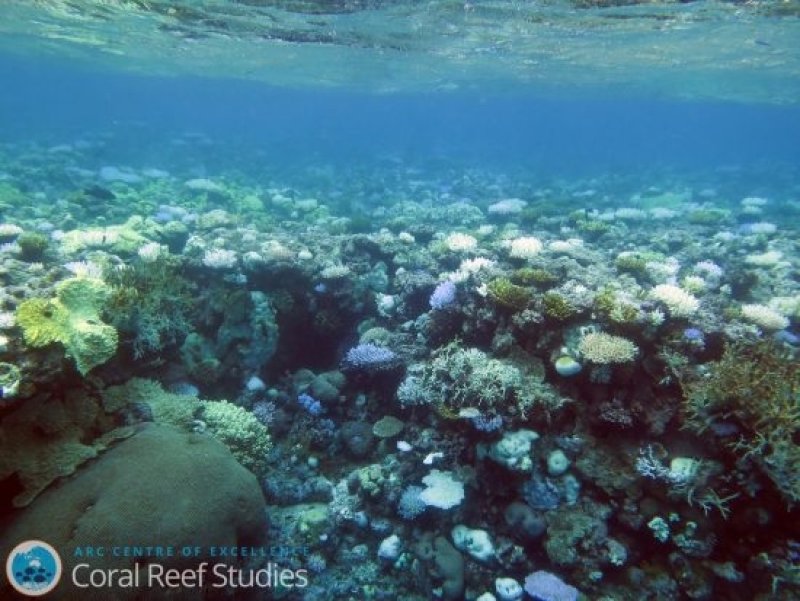
Ribbon Reef 8 (c) Mia Hoogenboom for ARC Centre of Excellence for Coral Reef Studies
Cet article a été traduit automatiquement et peut contenir des inexactitudes mineures ; veuillez vous référer à la version anglaise originale en cas de doute.