Visit the German Oceanographic Museum and Ozeaneum Stralsund on Google Arts & Culture
environmenttechnologyvirtual realitynatural historymuseums
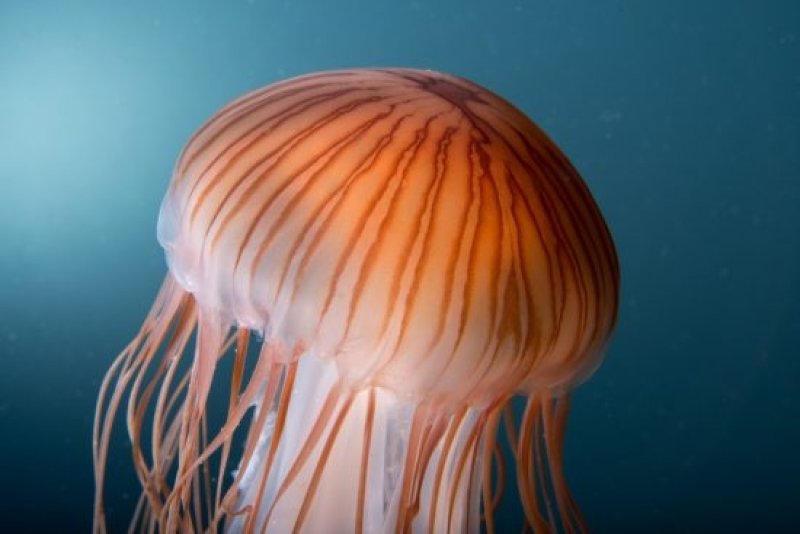
Compass jellyfish (c) Johannes-Maria Schlorke
Experience natural history in virtual reality
Seven German organisations are the latest addition to Google Arts & Culture's natural history exhibits, joining more than 50 renowned natural history institutions from around the world. Online users can walk along its virtual corridors at g.co/naturalhistory to explore the diversity and fragile beauty of nature in an interactive and dynamic way.
The platform contains hundreds of interactive stories from partners from 17 countries, as well as a some 300,000 fossils, exhibits, pictures and videos online, all making use of the latest technologies. The Natural History section has been enhanced with more than 30 digital exhibitions from seven partners from Germany: the Museum of Natural History, the Senckenberg Research Institute and Natural History Museum in Frankfurt, the Natural History Museum Vienna, the German Oceanographic Museum, the State Natural History Museum in Braunschweig, the Ozeaneum in Stralsund and Frogs & Friends.
For instance, a Brachiosaurus brancai, the world’s largest dinosaur skeleton, is on display at the Museum of Natural History Berlin, thanks to the magic of vitual reality. The exhibits come alive when viewed using Google’s VR Cardboard goggles. Alternatively, they can also be viewed from all angles via a YouTube video.
Another aspect of the Natural History section involves virtual reality expeditions, containing 360-degree VR images and three-dimensional images. These are further enriched with background information and interesting sites. This allows teachers to take their students on virtual excursions to explore the world’s museums, the underwater world or even the vast universe. In this context, visitors can embark on an exploration of natural history presented by the Senckenberg Research Institute and Natural History Museum in Frankfurt. Using Google’s gigapixel technology, a 48-million-year-old fossilised boa can even be examined in high resolution.
Other discoveries await within the Natural History Museum in Braunschweig and Vienna, the Maritime Museum and Ozeaneum in Stralsund and Frogs & Friends. These institutions give an insight into the diversity of species, wonders of nature and the research done by museums. The unique insights provide a peek behind the scenes as well as into areas often inaccessible to the public.
"Natural history museums are among the most visited and popular museums in the world. We are delighted that our partners use Google Arts & Culture to bring more people around the world closer to their discoveries via modern technology. Virtual reality, high-resolution gigapixel images and online tours have put four million years of natural history onto a new level," said Dr Wieland Holfelder in German. He is the Engineering Director & Site Lead at Google Munich.
Natural History on Google Arts & Culture can be downloaded free of charge at g.co/naturalhistory. It is also available as an app for iOS and Android devices.
About the Google Cultural Institute
The Google Cultural Institute and its partners work with over 1,000 organisations in 70 countries to provide a platform where Internet users can explore the world’s cultural treasures with a single click. It gives cultural institutions the modern tools to share their cultural treasures and artefacts with a wider audience. Currently, it holds over 200,000 works of art as well as a total of six million photos, videos, manuscripts and other documents on topics related to art, culture and history.
The profiles of the Ozeaneum and Maritime Museum: artsandculture.google.com/partner/ozeaneum and artsandculture.google.com/partner/deutsches-meeresmuseum
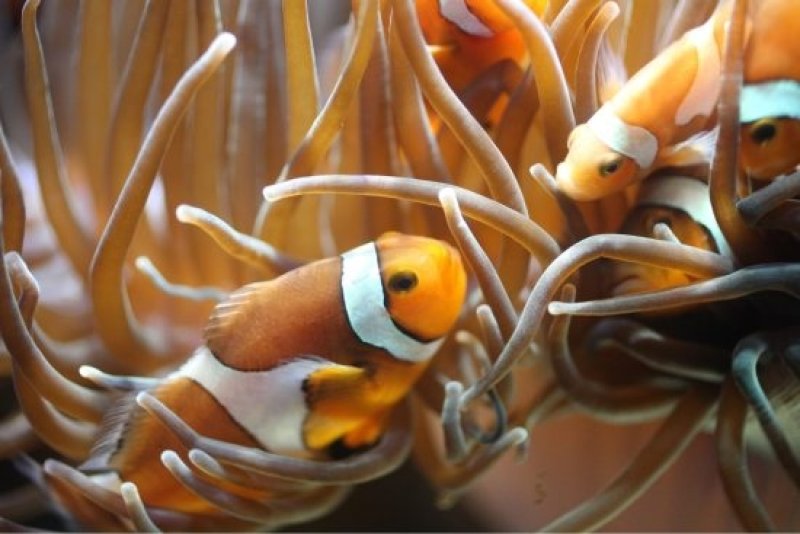
The virtual exhibition also features the motif of Nemo, a clownfish living in the tropical aquarium of the German Oceanographic Museum. (c) Johannes-Maria Schlorke/Deutsches Meeresmuseum
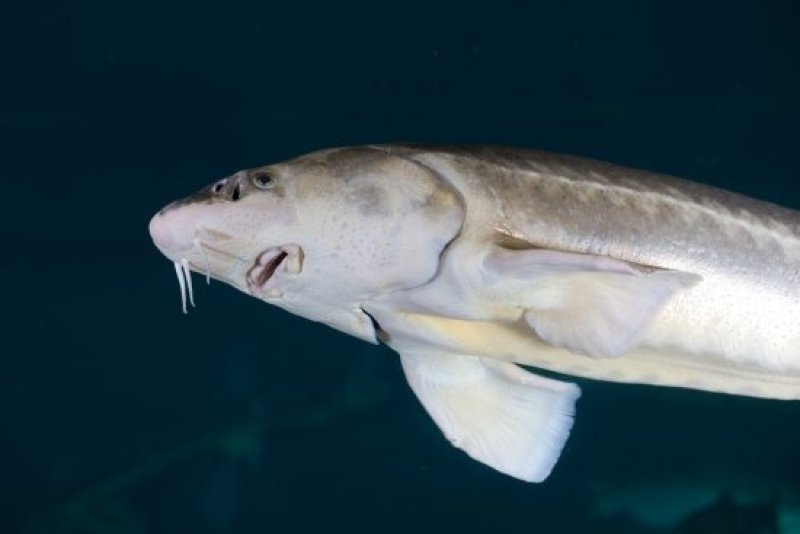
Five sturgeons of three different species (including the Russian Sturgeon) live in the river basin exhibit within the Ozeaneum. (c) Johannes-Maria Schlorke
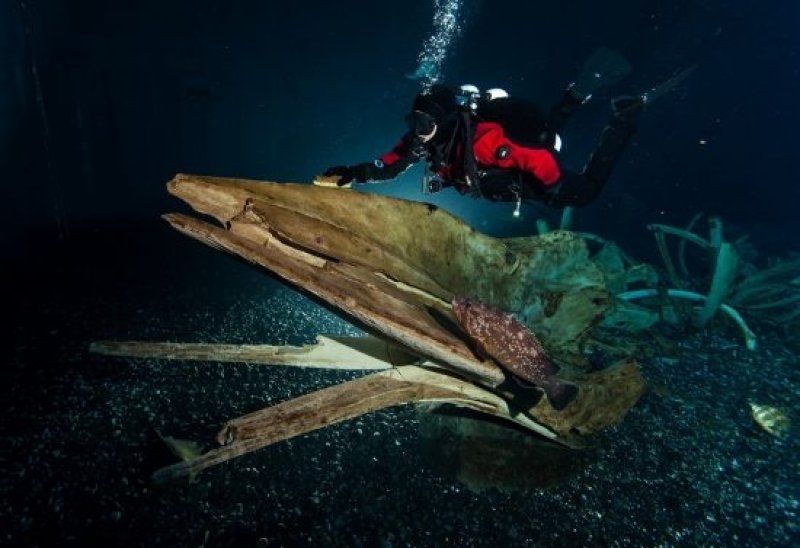
Ozeanuem: The "Open Atlantic" basin contains 2.6 million litres of water. All maintenance and cleaning work here must be performed by divers. (c) Uli Kunz
تمت ترجمة هذه المقالة تلقائيًا وقد تحتوي على أخطاء طفيفة؛ يرجى الرجوع إلى النسخة الإنجليزية الأصلية في حالة الشك.