Whale hunting in Europe starts
environmentmarine lifeconservationeuwhaling
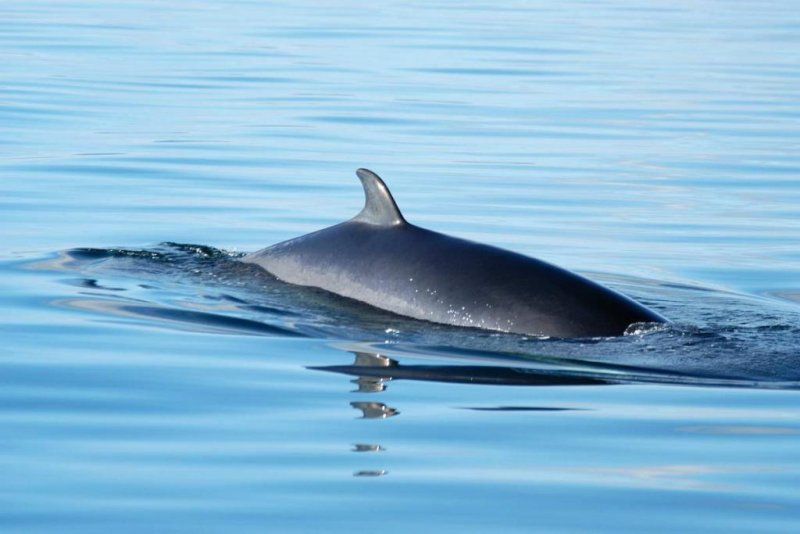
Minke whale
(c) GREMM
Species conservation organizations are calling for EU resistance to whaling in European waters Beginning of April 2018, the annual whaling season began in the North Atlantic and the first whale was already killed. The governments of Iceland and Norway have ignored the international whaling ban for years and continue to authorize the hunting of minke whales and even highly endangered fin whales. Whales are under strict international protection and commercial hunting is prohibited. That's why OceanCare, Pro Wildlife and Whale and Dolphin Conservation (WDC) call for a leadership role for the EU in the fight against commercial whaling. Norway's government released even 1,278 minke whales for the now starting whaling season instead of 999 for launch. Paradoxically, last year 432 animals killed as few minke whales as they had in 20 years. Also, with only eleven whaling boats were involved almost half as many boats as the year before. " The fact that rising rates are offset by declining numbers and dwindling demand is a clear indication that Norwegian whaling is maintained only for political reasons, " says Nicolas Entrup of OceanCare. Misleading calculation of fishing quotas The Norwegian Government claims that the quotas are in line with the calculation principles of the International Whaling Commission (IWC) Scientific Committee. Far from it: " Norway unilaterally is screwing the IWC-defined variables, so that instead of 300 minke whales in the Northeast Atlantic suddenly 1,278 whales are to be considered as a sustainable quota, " said Entrup. " Leading scientists classify the unauthorized quotas of Norway - and incidentally also of Iceland - as unsustainable. Commercial whaling is cruel, unnecessary and unsustainable. The global ban must finally be implemented! " demands Entrup. Norwegian whaling has been increasingly criticized since 2016. Iceland's whaling at the turning point? Even in Iceland, quota and actual catch are far apart: In 2018, fishermen are allowed to kill up to 209 minke whales; in fact, only 46 or 17 animals were killed in the past two years. " The Icelanders themselves hardly eat whale meat anymore, and tourists are the main consumers. They want to try whale meat and ignore the fact that they thereby finance the hunt for minke whales, " Dr. Sandra Altherr from Pro Wildlife. In addition, Iceland is the only country in the world to hunt down the endangered fin whales: the influential millionaire Kristjan Loftsson will be able to kill up to 154 fin whales in 2018 - but he has abstained from hunting in the past two years because the hoped exports of fin whale meat to Japan spiked. The new government will soon have to decide if it will continue to issue quotas in the future: " Right now, pressure from the European Union would be particularly important for the hunting of fin whales to end, " says Altherr. EU in duty Since the beginning of the whaling ban, about 15,000 whales fell victim to explosive harpoons in the Northeast Atlantic. It is puzzling that in view of the scale of the hunt, "commercial whaling" is no longer even a separate agenda item of the International Whaling Commission. Most recently, the IWC countries officially criticized commercial whaling in 2001. This silence of the IWC uses Iceland and Norway as an argument that their hunt is accepted. At least the EU Parliament became active: In a sharp resolution, Norway called on it in September 2017 to finally stop whaling. The whalers are hoping that the European Union will follow the words at the next IWC meeting. The member states of the European Union can no longer tolerate commercial whaling in European waters. We expect concrete political and diplomatic steps against Iceland and Norway, " concludes Astrid Fuchs of WDC. The next whaling convention will take place from 10 to 14 September 2018 in Brazil. More information: www.whales.org
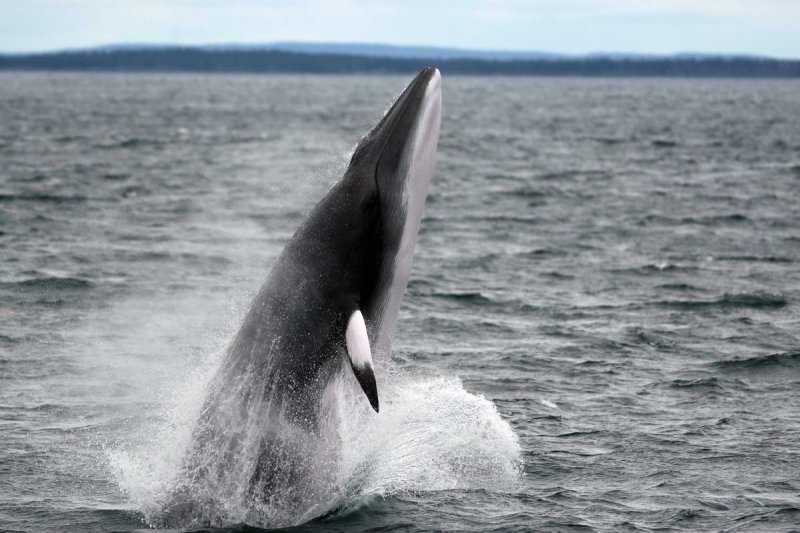
Minke whale
(c) Michael J. Tetley
Bài viết này được dịch tự động và có thể chứa một số lỗi nhỏ; vui lòng tham khảo bản gốc tiếng Anh nếu có thắc mắc.