How are Dragonets, Weever and Hooknoses?
environmentmarine conservationfishingby-catch speciessustainable management
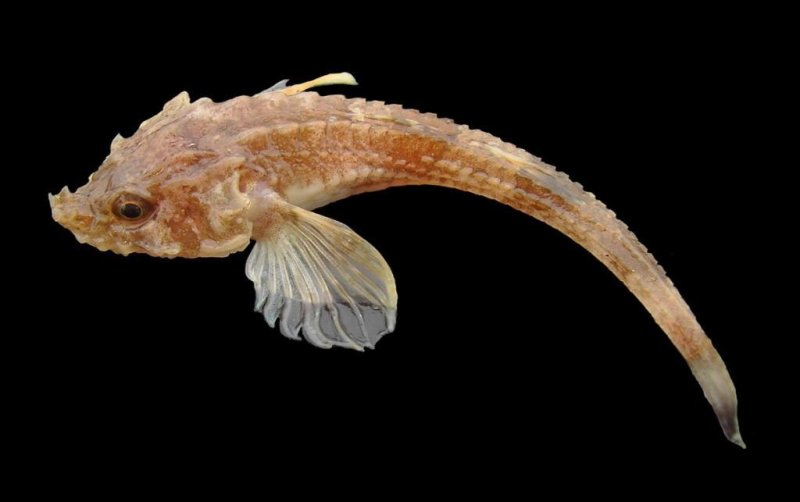
Hooknose Agonus cataphractus (c) Hans Hillewaert
New evaluation method shows the impact of fishing on "by-catch species" A new method for assessing fish stocks for which little data is available has shown that many by-catch species in the world's oceans are far below the internationally agreed minimum levels and urgently require sustainable management. The study by an international team of researchers led by the GEOMAR Helmholtz Center for Ocean Research Kiel was recently published in the journal ICES Journal of Marine Science Many fish stocks worldwide are under increasing pressure due to overfishing, warming and pollution. With the help of internationally coordinated measures such as restrictions and bans on catches or the designation of protected areas, attempts are being made to actively counteract against the pressure on fish stocks. Are these measures sufficient to ensure the sustainable use of fish stocks in the long term? An international team of scientists led by GEOMAR and the "Sea Around Us" initiative at the University of British Columbia, Canada has now developed a new, efficient test method to better assess this. They come to the conclusion that a number of undesirable but regularly caught "by-catch species" are far more endangered than previously thought. The method, known as "Abundance Maximum Sustainable Yields" or AMSY, only requires a fraction of the data otherwise required to estimate the size of the stock and the degree of fishing: the size distribution of the fish caught and the amount caught per day or hour are sufficient. "Our method uses random methods and a high level of computation to find the combination of stock size and fishing that is best compatible with the information available," explains Rainer Froese, lead author of the study from GEOMAR. "There is no longer any excuse for not managing fisheries so that healthy stocks produce healthy catches." At present, only about a quarter of the world's stocks are known for their size and degree of fishing, mainly because the data required for traditional estimation methods are lacking. "We found that out of the 38 stocks we analyzed, 24 (equals to 63 percent) were overfished," said Dr. Froese. "Most of them, such as the Dragonets, Weever and Hooknoses, which occur as by-catch in the North Sea, have never been assessed because it was not possible to carry out traditional population assessments. " The new "AMSY method" also provides initial estimates for many species that are used commercially worldwide. Some countries, such as India and China, which see the oceans as an important source of protein, are already implementing the AMSY approach. According to Daniel Pauly, the senior scientist at Sea Around Us, the fisheries sector in these countries will benefit greatly from the new analyzes, because the new method enables a simple but rigorous evaluation of fisheries and represents a kind of revolution in fisheries science.
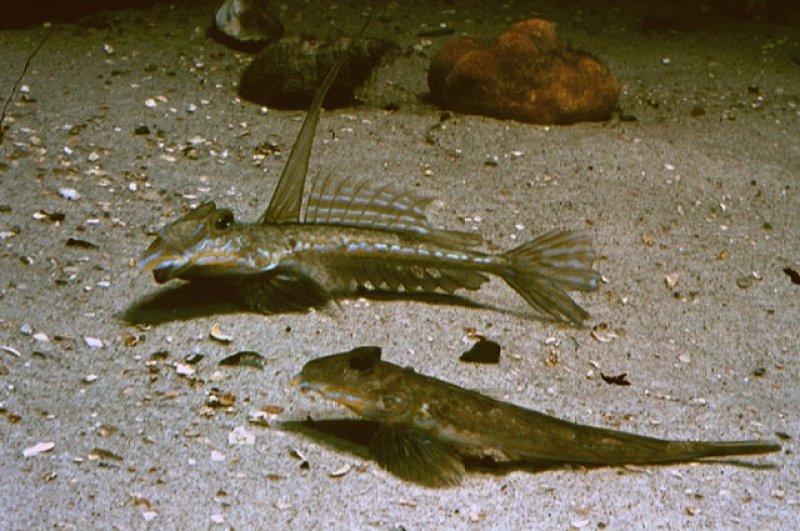
Dragonet (c) GEOMAR Aquarium/U. Waller
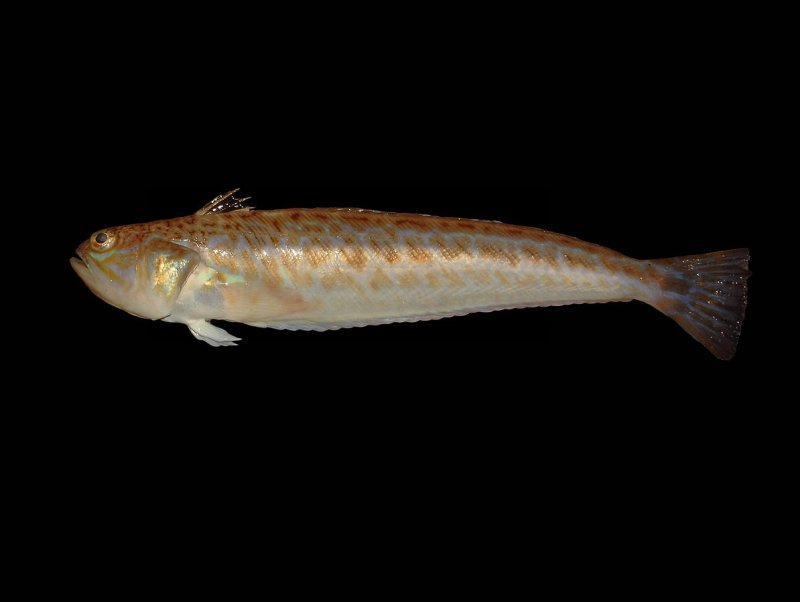
Greater Weever Trachinus draco (c) Hans Hillewaert
Bài viết này được dịch tự động và có thể chứa một số lỗi nhỏ; vui lòng tham khảo bản gốc tiếng Anh nếu có thắc mắc.