Greenpeace measures radioactivity caused by Fukushima nuclear disaster
environmentoceangreenpeacefukushimaradioactivity

Asakaze, a Japanese research vessel chartered by Greenpeace Japan, conducting radiation survey work off the shore of Fukushima Prefecture. (© Christian Åslund / Greenpeace)
Together with an international team of radiation experts, Greenpeace is currently at Fukushima, measuring the amount of radioactive contamination still present in the environment. Aiding them in this task is an underwater robot equipped with a sensitive gamma radiation spectrometer and sediment sampler. The investigation is being supported by Rainbow Warror III, which is currently sailing off the coast of Fukushima. On the scene is Thomas Breuer, Head of the Climate and Energy Unit at Greenpeace Germany. He said that the Fukushima disaster had released unprecedented quantities of radioactivity into the sea and they wanted to understand the impact of this pollution on the ocean, such as how radioactivity could spread through the water. Joining him are other Greenpeace staff from Japan, Belgium and Switzerland. On the opening day of the investigation, Naoto Kan, Japan's prime minister at the time of the accident, made an appearance. As the fifth anniversary of the accident draws near, Kan made a plea for the complete phasing out of nuclear power: "I once believed Japan's
advanced technology would prevent a nuclear accident like Chernobyl from happening in Japan. But it did not, and I was faced with the very real crisis of having to evacuate about 50 million people at risk from the Fukushima Daiichi nuclear accident. I have since changed my mind." "We did not need to take such a big risk. Instead we should shift to safer and cheaper renewable energy with potential business opportunities for our future generations," he added. After the nuclear accident, the Tokyo Electric Power Plant (TEPCO) produced over 14 million tonnes of radioactive contaminated water, in a bid to cool down the hundreds of tonnes of molten reactor fuel. Nevertheless, contaminated water flowed into into the sea, and continues to do so in the form of daily releases into the sea. In addition, contamination of the ocean also comes from the surrounding land and forests, and this will continue for hundreds of years. The investigation will take three weeks and cover the area within 20 kilometres of the plant. Samples of the soil and water will be taken. Scientists from independent labs of Chikurin-Shya in Tokyo and ACRO in France will work with the Greenpeace team to analyse the samples.

Greenpeace nuclear campaigners Jan Vande Putte and Florian Kasser mounting equipment onto a remotely operated vehicle. (© Christian Åslund / Greenpeace)

Mylène Josset, a radioactivity measurement specialist from the independent French laboratory ACRO, conducting radiation survey work. (© Christian Åslund / Greenpeace)
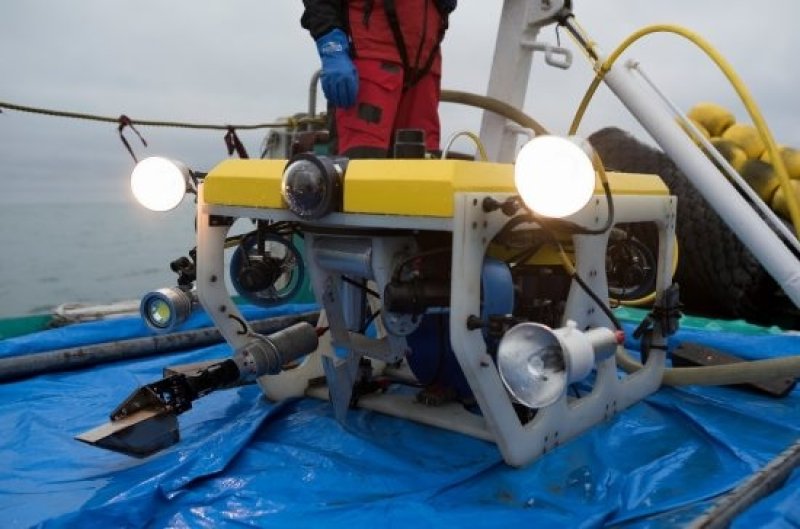
A remotely operated vehicle (ROV) on board Asakaze, a Japanese research vessel chartered by Greenpeace Japan. (© Christian Åslund / Greenpeace)
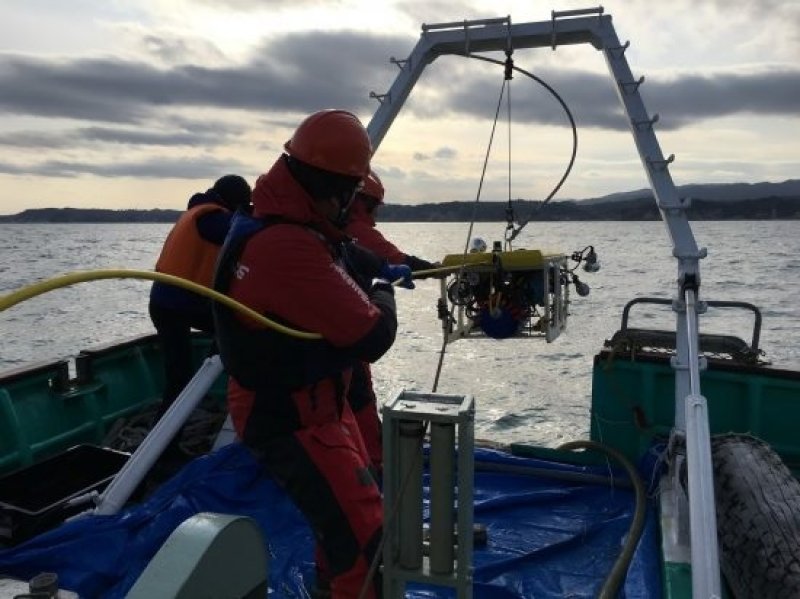
Greenpeace nuclear expert Jan van de Putte
Bài viết này được dịch tự động và có thể chứa một số lỗi nhỏ; vui lòng tham khảo bản gốc tiếng Anh nếu có thắc mắc.