Research vessel "Polarstern" started towards Antarctica
environmentantarcticamarine researchresearch expeditionlarsen c ice shelf
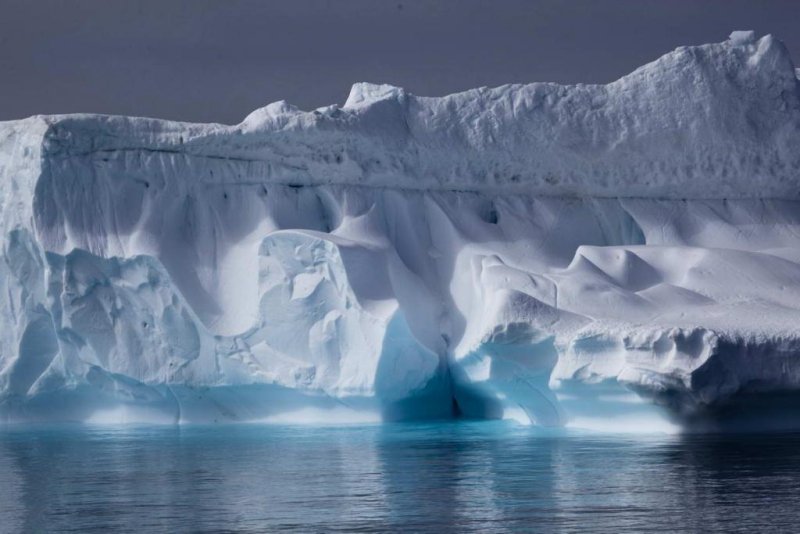
Antarctic Landscape
(c) Frank Rödel
What does it look like below the ice shelf of the calved giant iceberg "A68"? On November 11, 2018, the research vessel "Polarstern" left its home port of Bremerhaven bound for Cape Town. This will mark the beginning of her Antarctic season, in which oceanographic fieldwork in the Weddell Sea, a resupply mission to the Neumayer Station III, and explorations of the Larsen C ice shelf region and the South Shetland Islands are on the agenda. At the end of June 2019, the ship is expected back home in Bremerhaven The main project during the expedition will be an expedition to the Larsen C ice shelf on the Antarctic Peninsula. The Antarctic Peninsula is one of the fastest-warming regions of our planet. As a possible consequence, the Larsen A ice shelf and later the Larsen B ice shelf were almost completely destroyed in 1995 and 2002. This leaves only the Larsen C ice shelf as the last large ice shelf in the western Weddell Sea. In July 2017, the iceberg "A68" calved there - with about 5,800 square kilometres one of the largest icebergs ever recorded. At the beginning of February 2019, Polarstern will be heading for this area from the Chilean Punta Arenas. More than 50 scientists from 17 institutions from five countries want to know exactly which seabed landscapes and "living things" are below the ice shelf. The expedition is headed by Dr. Ing. Boris Dorschel from the Alfred Wegener Institute, Helmholtz Center for Polar and Marine Research (AWI). In addition to his own work on surveying the seafloor, he also coordinates the geoscientific and biological groups on board as well as the research of sea ice physicists. The scientists are particularly curious as to whether sea ice conditions will allow them to reach the Larsen C ice shelf. In southern summer (February / March) 2018, the British research vessel "James Clark Ross" sought in vain to penetrate so far south. Biologists who were on board at that time are now working on the "Polarstern". Due to the calving of "A68", the ice shelf front has shifted landward. This retreat of the ice shelf edge has a significant impact on environmental factors and ecosystems in the former ice shelf-covered area. Due to the ice, this area was untouched from the atmosphere and the influence of sunlight for up to 120,000 years. As a result of the changes, exchange processes between the ocean and the atmosphere are now taking place rapidly and small algae can grow in the upper water column. These changes take place in a very short period of time, forcing the ecosystems to react and adapt very quickly. In order to understand the changes, adaptive mechanisms and resilience of ecosystems, it is necessary to understand - as quickly as possible - the current state of the environment. Due to its seclusion - more than 1,500 kilometres to the nearest port - only limited scientific data from the area of Larsen A and B are available. Larsen C is almost completely unexplored. The current expedition is therefore interdisciplinary, with the aim of capturing the state and natural diversity of this largely unknown region. In mid-December 2018, the ship will reach Cape Town. From there it proceeds to the Weddell Sea and the "Neumayer Station III" is supplied with research equipment, fuel and food. Once the expedition to the Larsen C ice shelf is finished, a expedition-trip with geoscientific focus around the South Shetland Islands will follow in April / May 2019. The ship is expected to return to Bremerhaven on June 29, 2019.
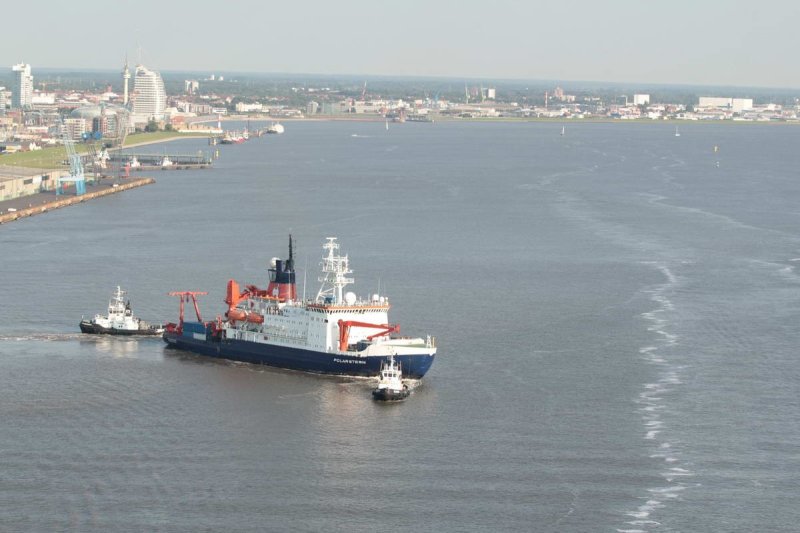
RV Polarstern leaves its homeport Bremerhaven, Germany.
(c) Folke Mehrtens
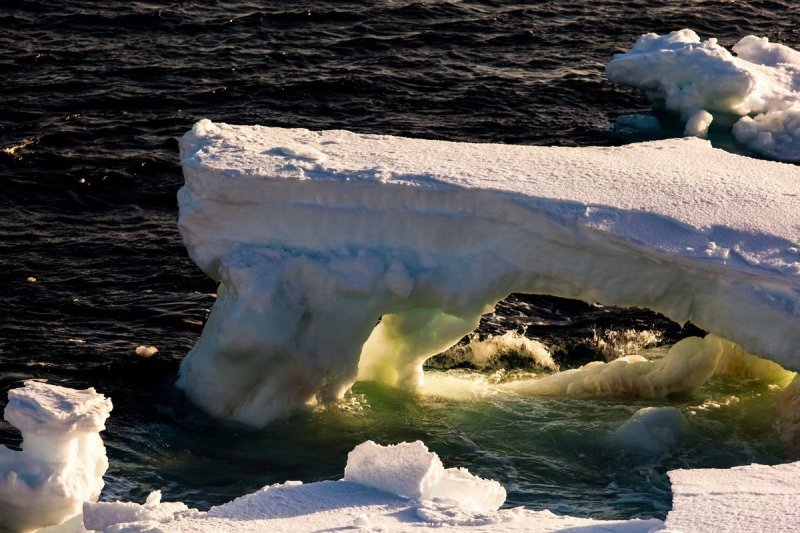
Drifting iceberg in the Weddell Sea, surrounded by sea ice.
(c) Mario Hoppmann
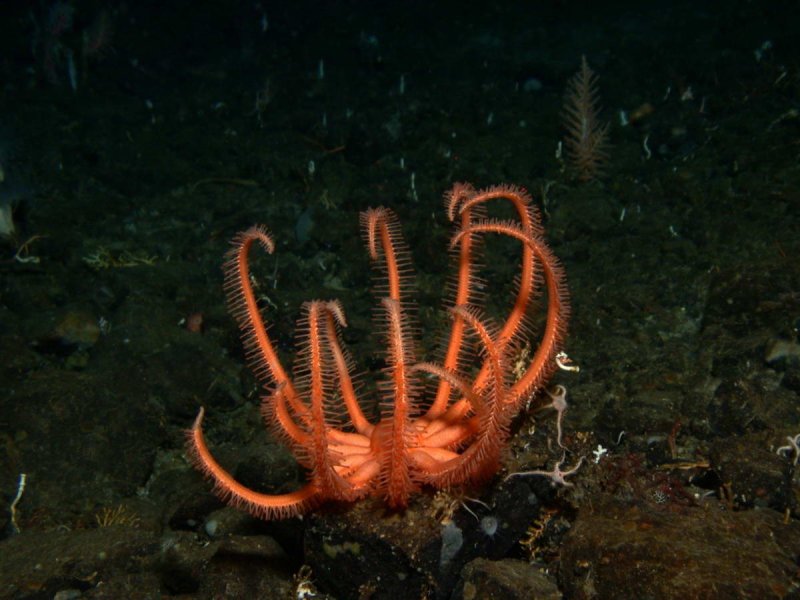
Sea star inhabiting the formerly ice shelf covered Larsen A/B area in 200 metres water depth.
(c) Julian Gutt
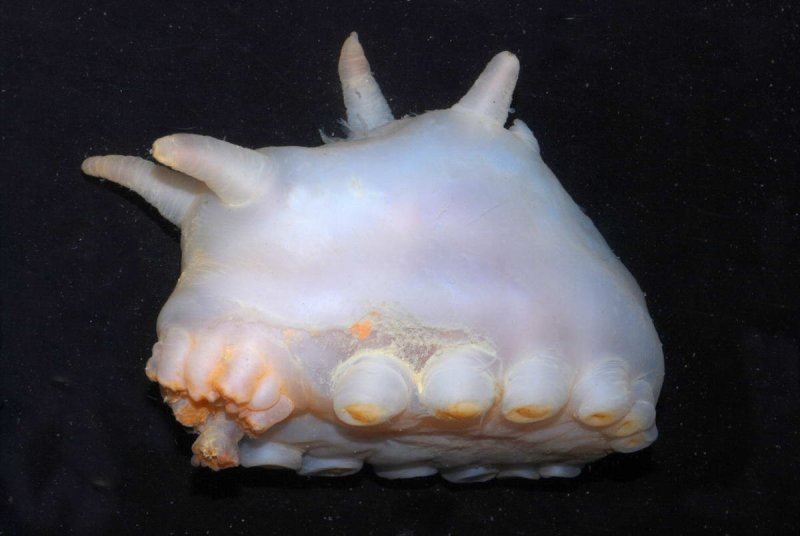
Scotoplanes globosa, a deep-sea sea cucumber found in shallow waters in the former Larsen B ice-shelf area, taken during the Polarstern cruise ANTXXIII-8. (c) Pablo J. Lopez
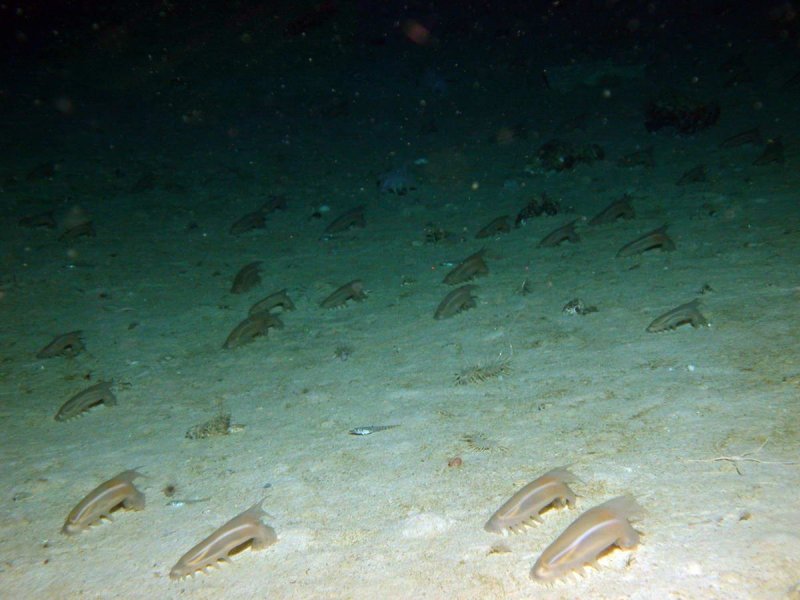
These deep-sea sea cucumbers are abundant in the Larsen B area. Interestingly they a
บทความนี้ได้รับการแปลโดยอัตโนมัติและอาจมีข้อผิดพลาดเล็กน้อย โปรดอ้างอิงจากฉบับภาษาอังกฤษต้นฉบับหากมีข้อสงสัย