Ecological consequences of deep-sea mining highlighted at ISA Session
environmentmarine conservationbiodiversitydeep-sea miningisa
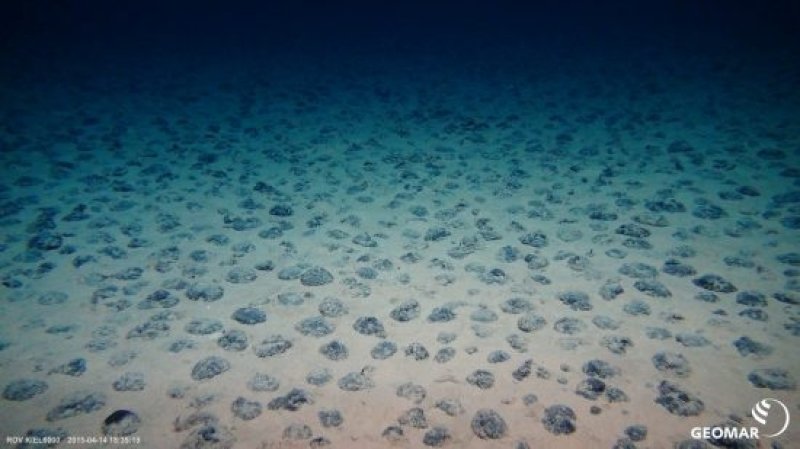
Manganese nodule field in the Clarion Clipperton Zone. (c) ROV-Team, GEOMAR
Scientists call for more protection and monitoring needed
In July 2016, at the 22nd Session of the International Seabed Authority (ISA) in Kingston, Jamaica, scientists from the GEOMAR Helmholtz Centre for Ocean Research Kiel presented research findings of several expeditions at the manganese nodule fields in the Pacific, as we had previously reported.
Based on their findings, recommendations were put forth for more protected areas and better monitoring of deep-sea mining activities.
There are currently almost 7.4 billion people living on Earth. The United Nations estimates that the population will increase to 8.5 billion by 2030. This will lead to higher demand for resources like metals. As such, more countries and companies are developing an interest in exploring mineral deposits in the deep sea. One of these deposits are found at the manganese nodule fields in the Clarion Clipperton Zone (CCZ) in the central Pacific.
Located halfway between Mexico and Hawaii, and being not within the jurisdiction of any country’s exclusive economic zone, this area is managed by the ISA in Kingston. This is in accordance with the UNCLOS (United Nations Convention on the Law of the Sea).
At the briefing, an ISA representative presented the latest findings to delegates about the possible environmental consequences of deep-sea mining.
Based on the findings, the researchers had the following suggestions for the Mining Code. They highlighted that the nodule ecosystems comprise diverse and mobile animals, whose communities and biodiversity vary considerably across areas with different nodule coverage and habitats. The nodules were necessary in preserving the biodiversity of the region, said GEOMAR’s Dr Matthias Haeckel in German. He is the project coordinator of "JPIO Mining Impact". In addition, the scientists pointed out that any disturbance of the ecosystems from mining activities would last for many decades.
Hence, it was suggested that conservation areas established should match habitat characteristics of mined areas, to ensure that the biodiversity within the CCZ can be preserved. Dr Haeckel said that the current Areas of Particular Environmental Interest might be insufficient to provide adequate protection, and additional areas appeared to be needed. On another note, the technology necessary for monitoring the mining impact already exists, and further knowledge exchange between industry and science (in addition to standardization) was necessary.
More information: www.geomar.de See also: Photo Mosaic marks successful end to expedition Can a deep-sea ecosystem recover from human intervention
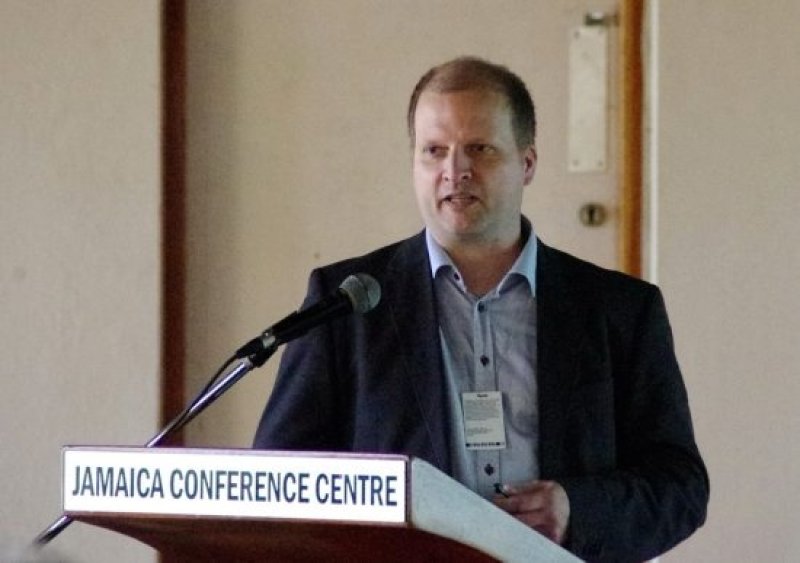
Dr Matthias Haeckel presenting the findings at the ISA briefing. (c) John Hanus, JPIOceans
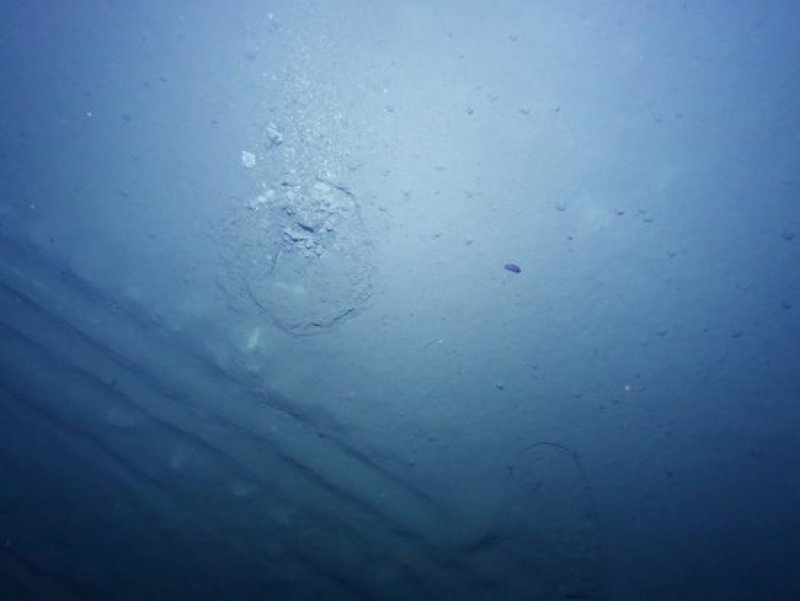
One of the several 100,000 photos of the seafloor, taken by the AUV ABYSS. The plough marks from 1989 can be seen alongside the tracks of a subsequent sampling in the centre. (c) ROV-Team, GEOMAR
บทความนี้ได้รับการแปลโดยอัตโนมัติและอาจมีข้อผิดพลาดเล็กน้อย โปรดอ้างอิงจากฉบับภาษาอังกฤษต้นฉบับหากมีข้อสงสัย