Coral reefs need good bacteria to survive
coral reefsenvironmentmarine lifemarine conservationgood bacteria
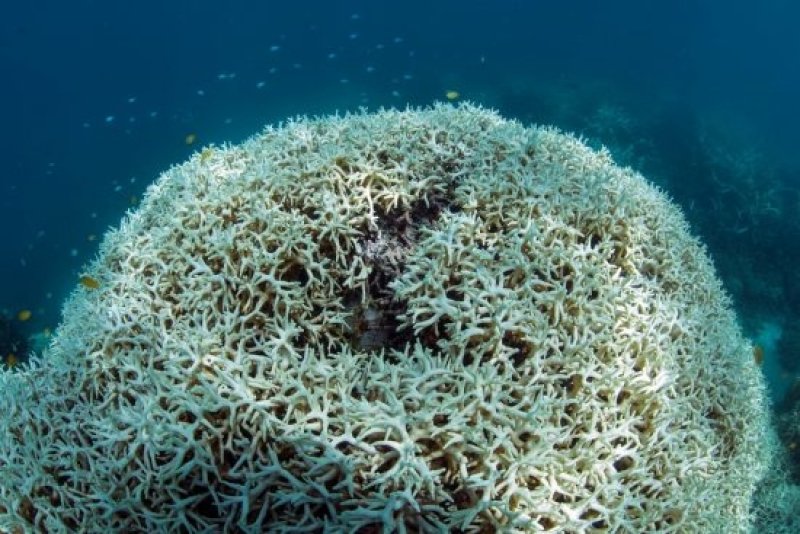
Coral Bleaching on Lizard Island, Great Barrier Reef (c) XL Catlin Seaview Survey
Scientists investigate bacterial communities on reefs
Good bacteria may be essential to maintaining the health of coral reefs, enabling the corals to withstand the effects of global warming, thus ensuring the long-term survival of reefs on a global scale.
"Healthy corals interact with complex communities of beneficial microbes or ‘good bacteria’. It is likely that these micro-organisms play a pivotal role in the capacity of coral to recover from bouts of bleaching caused by rising temperatures," said Dr Tracy Ainsworth from the ARC Centre of Excellence for Coral Reef Studies at James Cook University. Details of the research have been published in the Science journal, and present an overview of the current understanding of bacterial communities on corals.
This research on the interactions between the corals and micro-organisms is still in its infancy. The research group led by Dr Ainsworth has identified new avenues for research which can improve the understanding of how corals survive in rapidly changing environmental conditions on the reefs.
"We know that lasting changes to the community of beneficial bacteria affects important aspects of the function of host organisms such as humans or corals, including their ability to withstand further stress. Corals rely on good bacteria but crucially we don’t yet understand these microbes well enough to know how they influence coral survival," said Dr Ainsworth.
Their research discusses how corals, and coral reefs that survive the major environmental changes in the coming decades, will probably be very different from those of today. The ideal factors for their survival include preventing physical contact with corals as well as maintaining or restoring favourable water quality.
Source : www.coralcoe.org.au
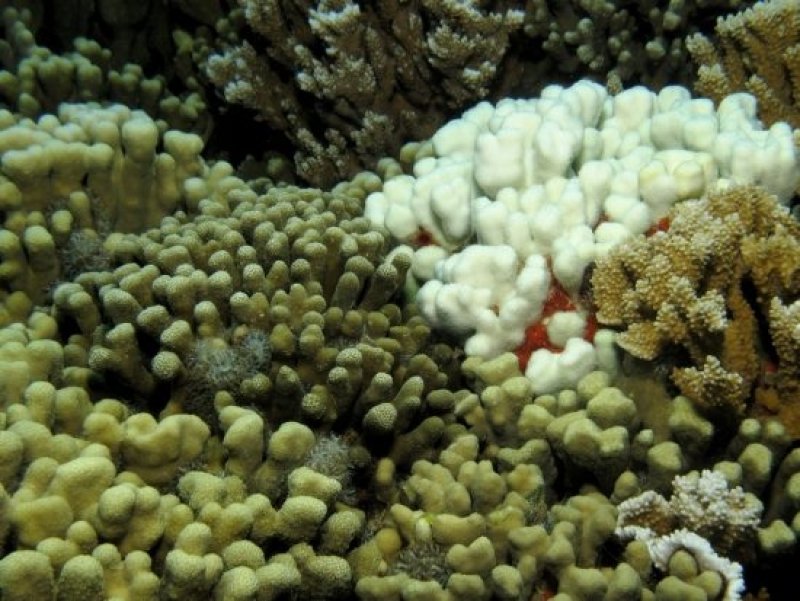
Close-up of bleached and unbleached coral (c) Raphael Ritson-Williams
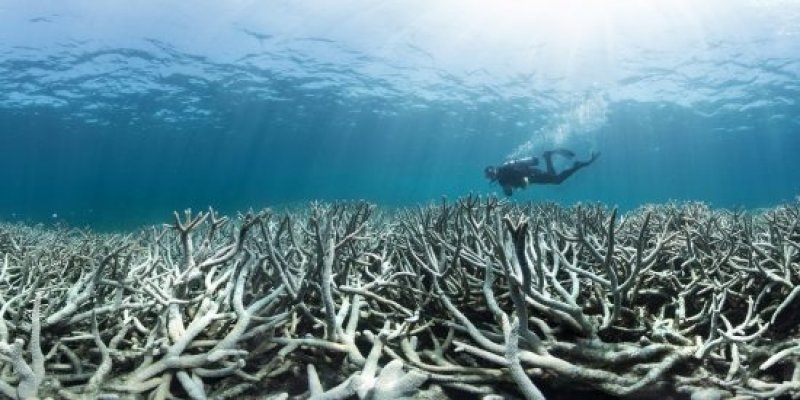
Coral Bleaching at Heron Island, Great Barrier Reef (c) XL Catlin Seaview Survey
บทความนี้ได้รับการแปลโดยอัตโนมัติและอาจมีข้อผิดพลาดเล็กน้อย โปรดอ้างอิงจากฉบับภาษาอังกฤษต้นฉบับหากมีข้อสงสัย