Better protection for some species of sharks and rays
environmentmarine conservationsharksrayscites
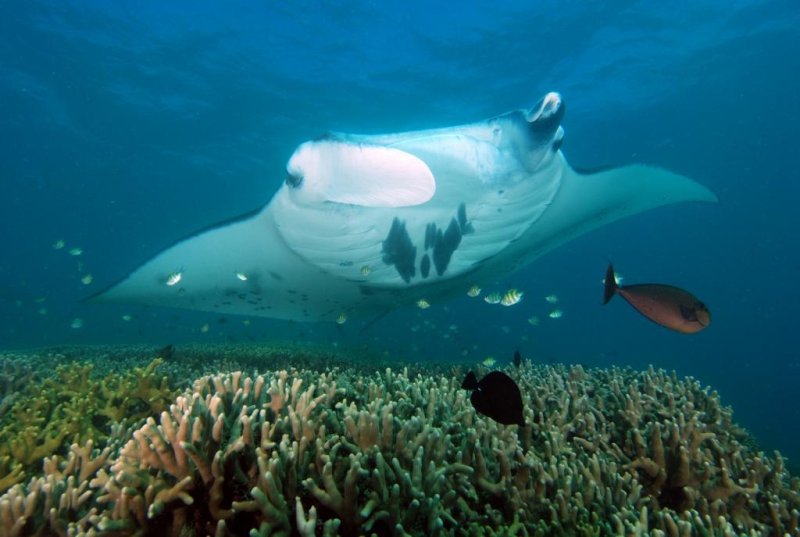
Mobula ray
(c) Daniel Brinckmann
Good news for marine species: Silky sharks, thresher sharks and mobula
rays now receive greater protection as they have been placed under
Appendix II of CITES. This means that they can only be traded
internationally as long as it is at a sustainable level.
Sharks are prone to being overfished and the stocks of many species
have plummeted. Trade restrictions will help to regulate the fisheries
and reduce the pressure on the depleted stocks, " said Catherine Zucco,
fisheries expert at WWF Germany in German. Both
silky sharks and thresher sharks are being fished extensively; in
addition, both species often end up as bycatch in the nets meant for
tuna and swordfish.
Silky sharks are one of the three main shark species caught for their
fins. In international markets, up to 1.5 million silky sharks are
estimated to be killed for this reason every year. Thresher sharks are
caught mainly for their meat, which is sold worldwide. Stocks have
declined worldwide, dropping by an estimated 99 percent in the
Mediterranean.
Mobula rays (sometimes called "devil rays") are caught for their meat,
particularly their gill plates which are used in traditional Chinese
medicine. According to the WWF, there is a lack of regulation. The
countries that are responsible for up to 95 percent of the capture and
export of mobula rays are Sri Lanka, India, Peru, Indonesia and China.
Even the vaquita porpoise, the smallest cetacean in the world (see also Vaquitas receive legal protection ), will be
better protected in the future. Its population has shrunk to just 60
individuals, as they often end up as bycatch in nets meant for the
totoaba fish, also an endangered species. Demand for the totoaba fish
is high as its swim bladder is considered a delicacy in China, fetching
record prices.
Two protected species are being illegally fished to extinction in the
Gulf of California. We need better restrictions and regulations on
fishing and trafficking from Mexico to the United States and then to
the Chinese market, " said Zucco. To date, three American states have
expressed their commitment to improve the implementaton and control of
the existing trade ban on totoaba, within the context of CITIES.
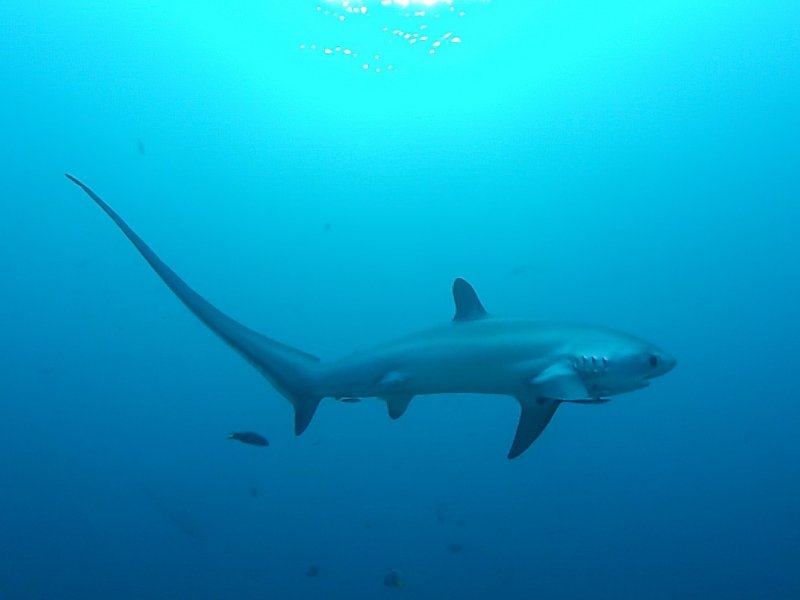
Thresher shark
(c) Wikipedia / Thomas Alexander
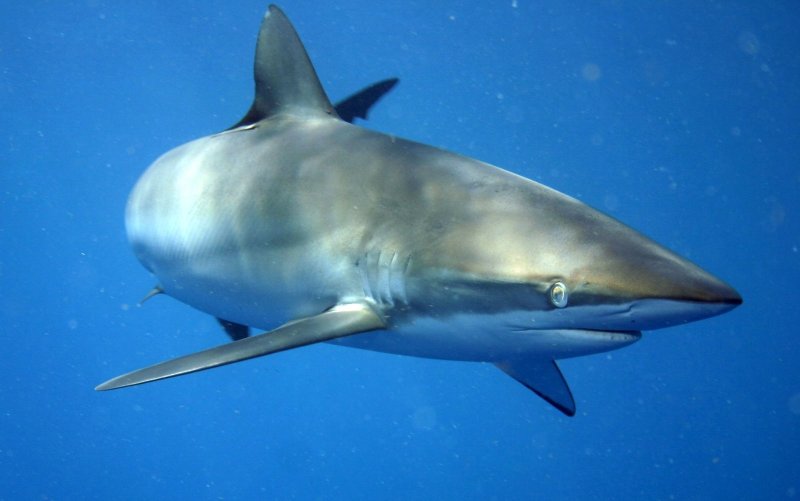
Silky shark
(c)Alex Chernikh
บทความนี้ได้รับการแปลโดยอัตโนมัติและอาจมีข้อผิดพลาดเล็กน้อย โปรดอ้างอิงจากฉบับภาษาอังกฤษต้นฉบับหากมีข้อสงสัย