Plastic litter in the sea: Fundamental changes necessary
environmentmarine conservationoceanplastic pollutionsustainability
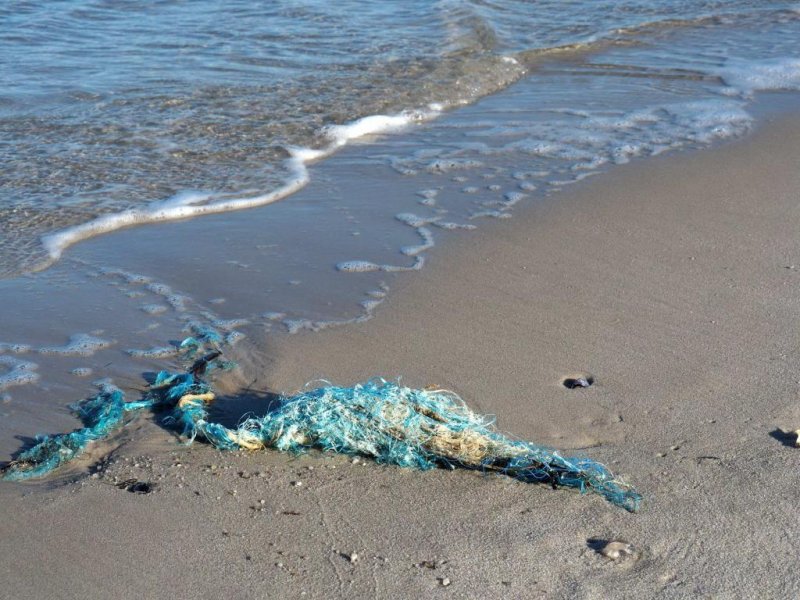
Fishing nets washed ashore on Sylter beach, (c) Olaf Klodt
Experts discuss the EU ban on disposable plastic The EU wants to ban disposable products such as drinking straws or ear swabs. The plastic waste in the oceans should be reduced - after all, a beginning. But is that enough? To prohibit disposable dishes and straws is relatively easy. Regarding the ban we publish the view of the experts Melanie Bergmann and Dr. med. Lars Gutow from the Alfred Wegener Institute, Helmholtz Center for Polar and Marine Research (AWI): "The oceans are the largest contiguous ecosystem on earth and are home to some of its most diverse and exotic habitats. But even on the ocean floor of the Arctic deep sea, in the sea ice or on the beaches of remote islands, we now find large amounts of litter. Therefore, it is good and important development to take action to reduce waste in the oceans. It is logical to start with plastics since plastics account for around three-quarters of the total waste in the oceans. A focus on disposable products such as straws, ear swabs and disposable tableware initially makes sense, as they have a striking proportion of the total waste in many marine areas. Above all, pollution of the oceans with such disposable products, which would be easy to replace, is completely unnecessary. Therefore, it is correct to rigorously regulate the mass production of products that are no longer usable after a single use. A farewell to disposable tableware and plastic straws is comparatively easy. But for a really efficient contribution against the pollution of the oceans, we must ask ourselves if we go far enough with that. We now know that, in addition to disposable products, the excessive production and use of packaging plays a key role in the pollution of the oceans. We also know that many less obvious sources contribute to the pollution of the oceans with plastics. Here are, among many other examples, the tire wear of motor vehicles and the release of microfibers from synthetic clothing during washing. We are also faced with the dilemma of having to feed an ever-growing population of the world, but at the same time industrial fishing not only decimates world fish stocks, but also massively pollutes the seas through the loss of fishing gear and equipment. And finally, we have to consider that while around 75 to 80 percent of the garbage in the oceans is composed of plastics, all the rest - consisting of glass, metal and other non-degradable materials - has now reached an estimated 50 million tons. Consumers can make an important contribution against littering in the oceans. Above all, however, industry and economy are called upon to use innovative approaches to enable production that is designed not just to maximize profits in the short term, but rather to use resources sustainably. This includes the optimization of recycling technologies to keep raw materials in circulation as long as possible. With the litter pollution of the oceans, we are confronted with an environmental problem that just like climate change can no longer be tackled with simple means. In order to solve these global problems, politics, industry, economy and the general public, but also science must take new paths that will require us to rigorously question and break familiar structures and practices. If we want to reduce the amount of waste in the sea to a significant degree, we need fundamental changes. Since a waiver of plastic straws can only be the beginning."
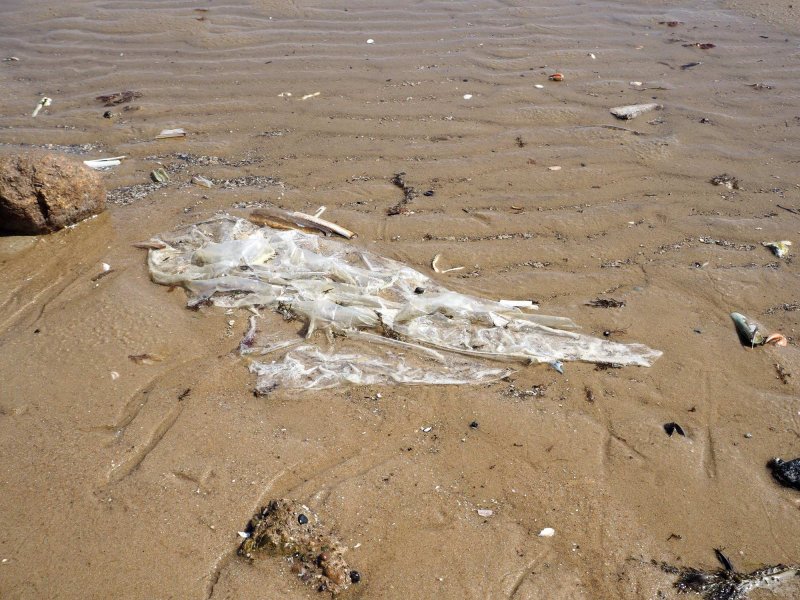
Fishery-Pollution at Sylter Weststrand, (c) Olaf Klodt
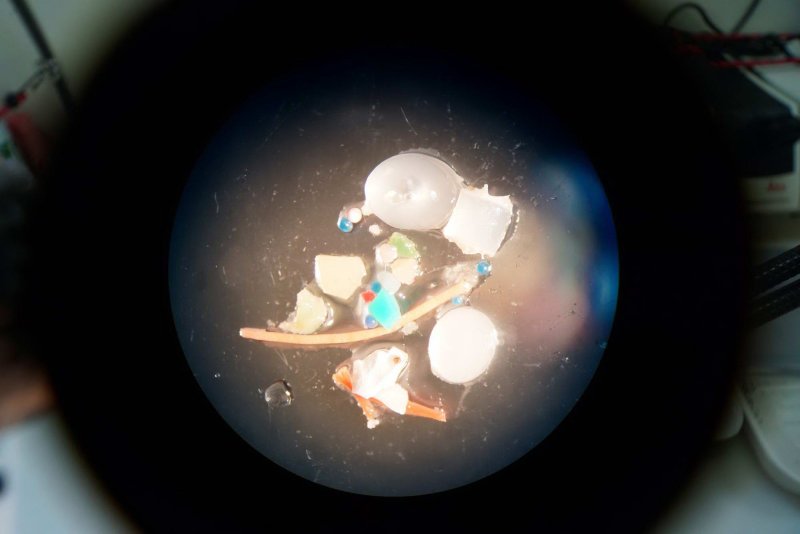
Different types of microplastics under the microscope, (c) Martin Löder
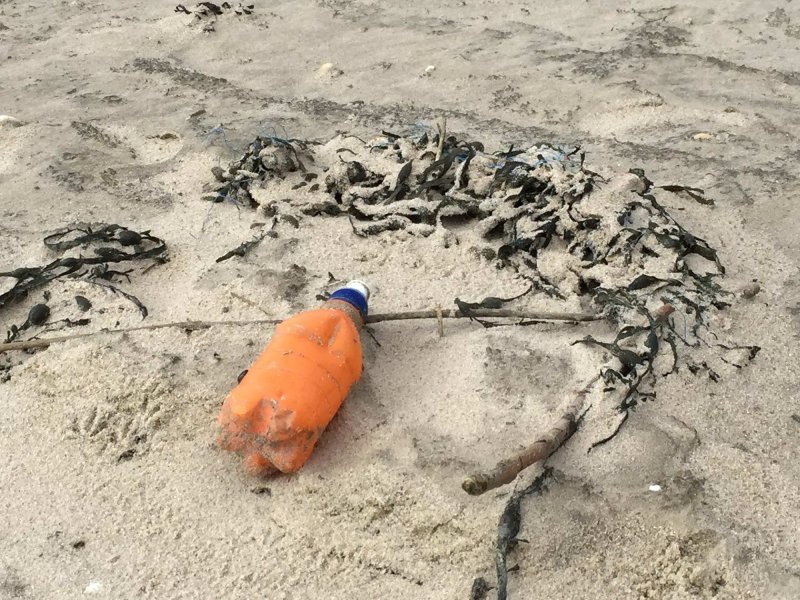
Plastic garbage washed ashore at Sylt beach, (c) Olaf Klodt
Este artigo foi traduzido automaticamente e pode conter pequenas imprecisões; em caso de dúvida, consulta a versão original em inglês.