Fight against illegal fishing continues
environmentmarine conservationillegal fishingeu regulationfisheries management
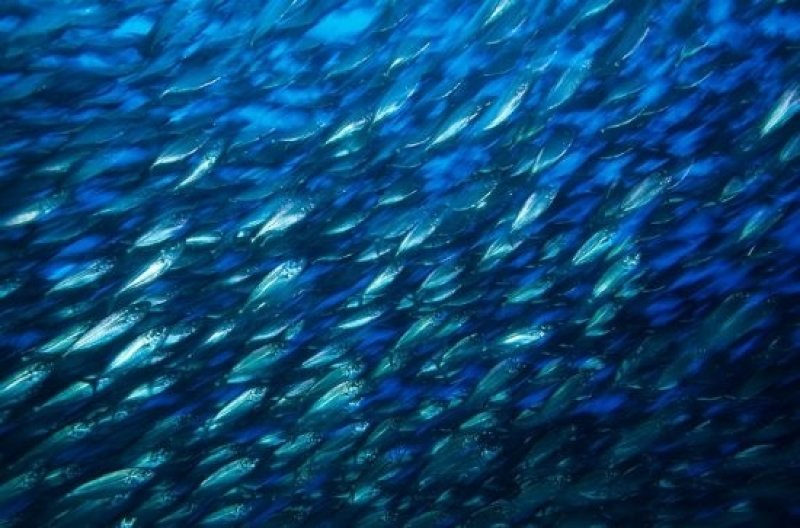
Shoal (c) Franco Banfi
NGOs call for more rigorous implementation of legislation
Despite the European Union's efforts to prevent, deter and eliminate illegal, unreported and unregulated (IUU) fishing, more rigorous implementation is needed to ensure that virtually no illegally caught fish enters the European market.
This is the conclusion of a report published by the Environmental Justice Foundation, Oceana, The Pew Charitable Trusts and WWF.
The regulation, which entered into force in 2010, has proven to be an effective tool in preventing illegally caught fish from entering the EU market. Its implementation has also led to positive changes in fisheries management in third countries, from where more than 60 percent of fish products consumed in the EU originate.
The study added that at the same time, a number of member states must take additional measures to implement the law, so as to prevent illegal parties from gaining access to the European market. It suggested that EU countries introduce an efficient system of verifying catch certificates and deliveries (especially when the catch originates from countries that are considered high-risk) so that only legally caught fish enters the European market.
Although this system of reporting catch and trade is a key component of modern fisheries management, the IUU regulation is weakened by the current paper-based system of documenting imported seafood products. This prevents the cross-checking and
exchange of information among the different EU border control agencies.
Catherine Zucco, fisheries expert at WWF, reiterated that the EU's intention to compile all information regarding the import of fish and seafood in an electronic database from 2016 onwards must now be followed by action to prevent potential abuse. She said that the system can only achieve long-term impact if all the information in the database can be accessed by all 28 member states in real time, to allow for cross-checking and verification; and ultimately a coordinated approach to the identification and interception of suspicious deliveries.
"Our primary objective – the protection of fish stocks and the communities that depend on them – can only be achieved if the chance of illegal products reaching the European market is zero," she said in German.
The analysis concludes that all member states should implement stringent penalties for nationals who are involved in the illegal fishing trade, as required by the regulation. In addition, the legislation should be reformed to ensure that EU vessels that operate in foreign waters do not engage in illegal fishing practices.
Maria-Jose Cornax, Fisheries Director at Oceana, said, "This analysis shows how countries such as Spain are working to penalise EU nationals shown to be involved in illegal fishing anywhere in the world. This approach needs to be uniformly adopted by all member states. In addition, the adoption of robust new rules governing the EU's distant water fishing fleet will drive a real shift to more transparent, sustainable fishing everywhere."
Tony Long, Director of Pew's Ending Illegal Fishing
project, stated that "as the world's largest market for imported fish products, the EU plays a pivotal role in reforming the global fishing trade. This assessment shows that the EU's regulation for tackling illegal fishing has raised standards in global fisheries management. We support continued action at the Commission and member state level to realise the regulation's full potential."
Info: http://www.wwf.de/themen-projekte/meere kuesten/fischerei/illegale-fischerei/
Link to study (PDF): http://www.wwf.de/fileadmin/fm-wwf/Publikationen-PDF/IUU-Report.pdf
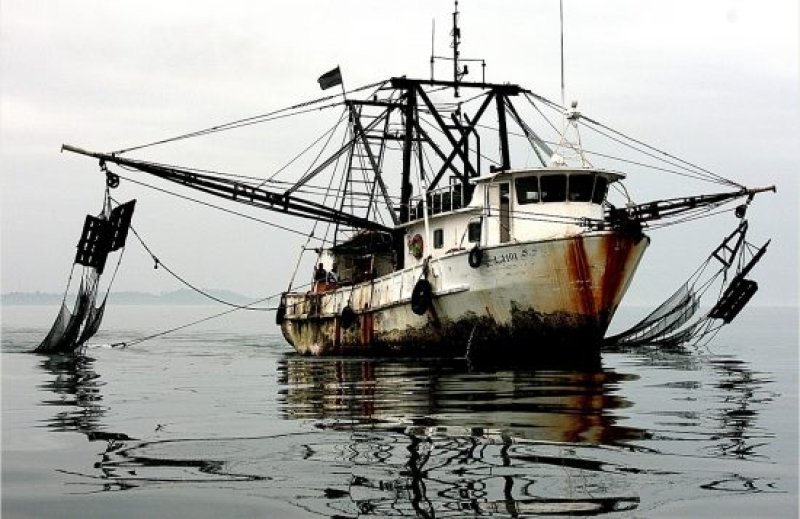
Illegal trawler (c) Mike Markovinathe/Pew Charitable Trusts