Virtual dive into the Baltic Sea
environmentmarine conservationssiunderwater ecosystemvirtual realitybaltic sea
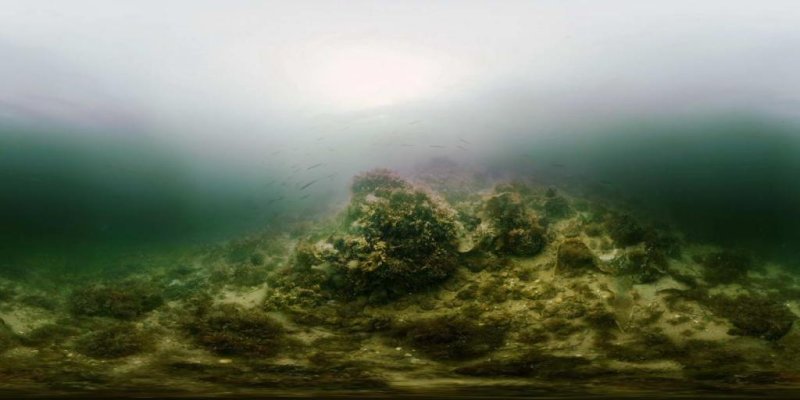
Stone Reef in the Baltic Sea (c) NABU
NABU presents "OstseeLIFE" - a 360-degree virtual world The Baltic Sea is Germany's No.1 holiday destination. Statistics say roundabout 6.5 million holidaymakers travelled to the Baltic Sea in 2017. But the Baltic Sea has much more to offer than beach and bathing pleasure: It has a beautiful and species-rich underwater world. Sea grass meadows, shelves and rocky reefs are home to pipefish, seals and porpoises - the only native whale species in Germany. Unfortunately, there has been bad news over and over again lately: jellyfish alarm, blue-green algae plague, swimming bans and plastic garbage. The Baltic Sea is struggling with men-made environmental problems. In this context NABU wants to show why the diverse and fascinating sea on the doorstep is so worth protecting and invites you to Germany's first virtual Baltic dive. Only a few people know that the Baltic Sea is under serious threat. Pollution and industrial use increase every year. Today, every third species is endangered and is on the Red List in Germany. The NABU wants to use "Baltic Sea LIFE" to raise awareness of how fascinating and threatened the oceans are on our doorstep. The virtual reality of the Baltic Sea now shows the continental waters, as most people have never seen: "OstseeLIFE" is a 360-degree world. This VR can be visited with special VR glasses but also on standard computers or via Smartphone. The popular ARD Tatort (Crime scene – a German TV series) commissar Axel Prahl acted as speaker for "OstseeLIFE." Together with the actress Ulrike Knospe, he introduces the various habitats and tells exciting and surprising stories about the biology of porpoises, sea hares and sea anemones. The hidden variety of sea grass meadows and rocky reefs but also the background stories of old shipwrecks are fascinating chapters of the virtual world of the Baltic Sea. NABU Federal Managing Director Leif Miller: " Only experienced divers usually dive into the depths of the Baltic Sea. With 'OstseeLIFE', NABU is now presenting this fascinating underwater world – a mix of fresh and salty water; very special environmental conditions and reason for this very special life is shown with the help of state-of-the-art technology. If you know the unique beauty of our coasts, you know what makes nature so worthy of protection and you are more committed to it. Really amazing is the "dive" with so-called VR glasses. With this innovative technology, users control the virtual underwater journey with their eyes. Hundreds of photo and video sequences merge into a fascinating multimedia world. The filmmakers needed more than two weeks and two dozen dives to capture five very different habitats. This was followed by several months of work on the computer. Every third species is now threatened in the Baltic Sea. " Shipping, industrial fishing, plastic waste or underwater noise make it difficult for animals and plants. Some species have already disappeared forever. Others are on the verge - such as the porpoise with fewer than 500 remaining animals in the central Baltic Sea, " says NABU marine protection expert Kim Detloff. Under the motto "We for the Baltic Sea", NABU set itself the goal of creating a broad awareness of better protection of the Baltic Sea. Background The technique of Baltic LIFE is called "Authentic VR" and is also used in modern gaming technologies. Viewers with VR glasses can control the virtual world with their eyes, which in turn reacts to the behaviour of the viewer. If certain navigation points are fixed, the "diver" receives information about the Baltic Sea world. And the style of "OstseeLIFE" is special: In contrast to artificial environments, "OstseeLIFE" consists of specially-crafted 360-degree films. For a virtual dive in the Baltic Sea - visit: https://www.nabu.de/landingpages/ostseelife.html More information: https://www.nabu.de/natur-und-landschaft/meere/index.html
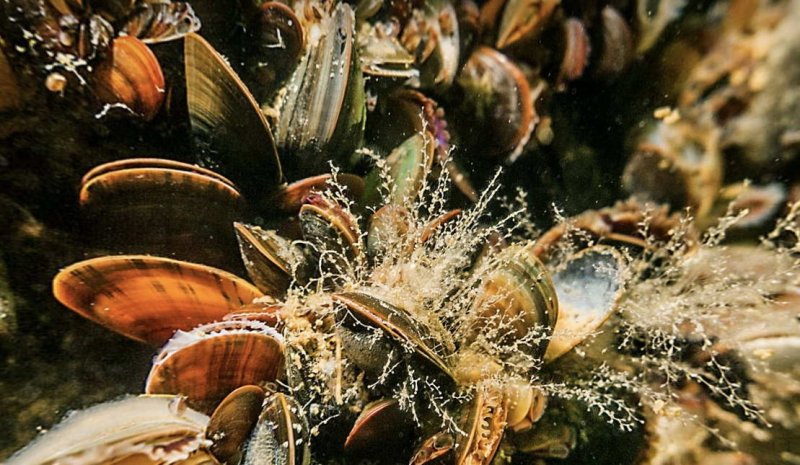
Common Mussel - Screenshot VR "Ostsee Life"
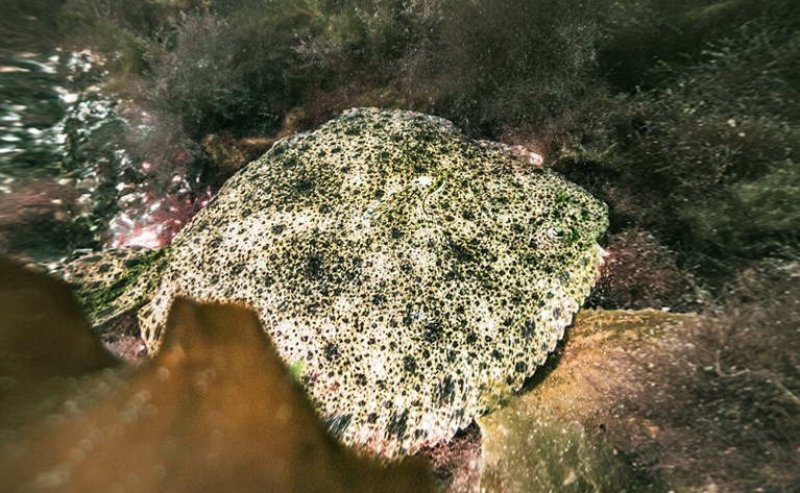
Turbot - Screenshot VR "Ostsee Life"
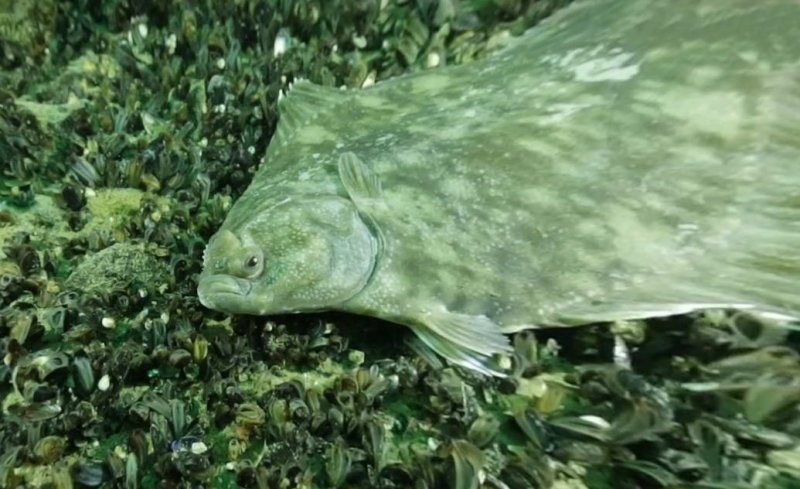
Flatfish - Screenshot VR "Ostsee Life"
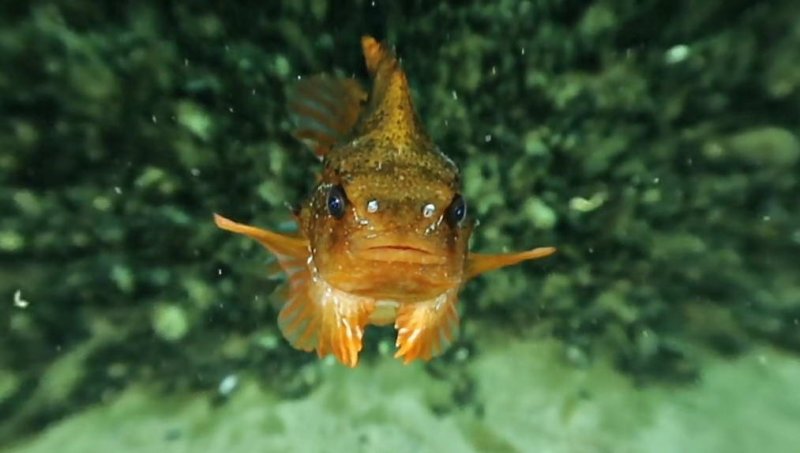
Lumpfish - Screenshot VR "Ostsee Life"
Este artículo se ha traducido automáticamente y puede contener pequeñas inexactitudes; en caso de duda, consulta la versión original en inglés.