Plans for whale sanctuary in South Atlantic harpooned at IWC meeting
environmentmarine conservationoceaninternational whaling commissionwhale sanctuary
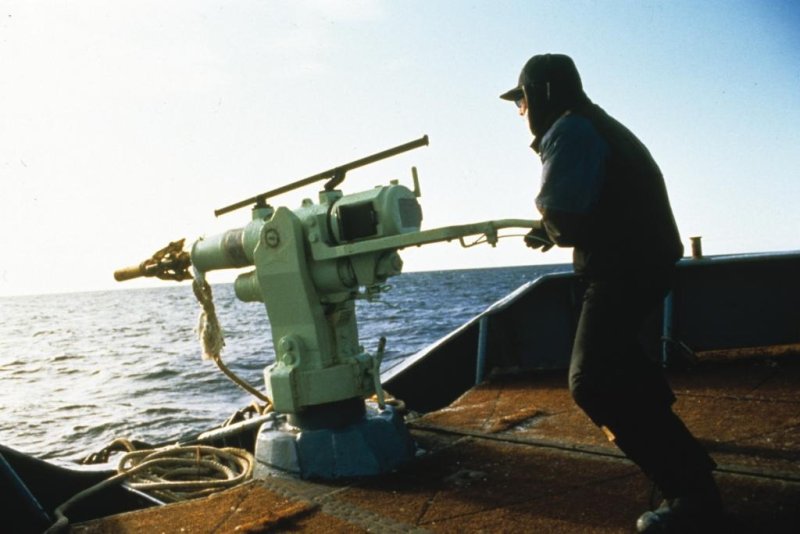
Whaling (c) Mark Votier
A proposal to establish a whale sanctuary in the South Atlantic failed
to receive sufficient votes for the resolution to be passed at the 66th
meeting of the International Whaling Commission (IWC) at Portoroz,
Slovenia last week.
The proposal, was put forth by Argentina, Brazil, Gabon, South Africa
and Uruguay, received the support of 35 countries. However, 24
countries were against it (and two countries abstained), and this meant
that it failed to achieve the 75 percent majority needed for adoption.
If the resolution had been passed, the whale sanctuary would have
covered an area of 20 million square kilometres, spanning between the
eastern coast of South America and the western coast of Africa.
WWF marine protection expert Stephan Lutter criticised the decision. He
said in German," This is a blow to the protection of whales. Any
progress in the area of their protection has been harpooned, and the
IWC has been prevented from doing more to protect whales from being
hunted. "
The International Union for Conservation of Nature and Natural
Resources (IUCN) had also supported the establishment of the sanctuary.
" More than fifty whale species live in this region. Ship collisions and
intensive fishing are some of the daily threats that need to be
minimised. We welcome the fact that neighbouring countries want to move
towards more protection, and it is regrettable that this has been
blocked for years. "
Under the IWC moratorium, although whaling is prohibited, it is
permitted for aboriginal subsistence or scientific reasons. Japan hunts
whales in the Southern Ocean under the scientific exemption. The WWF
has called for this loophole to be closed. There is no reason to kill
whales in the name of science. In addition, the definition of
scientific whaling cannot be decided by the whaling nations, " said
Lutter.
See here for more information
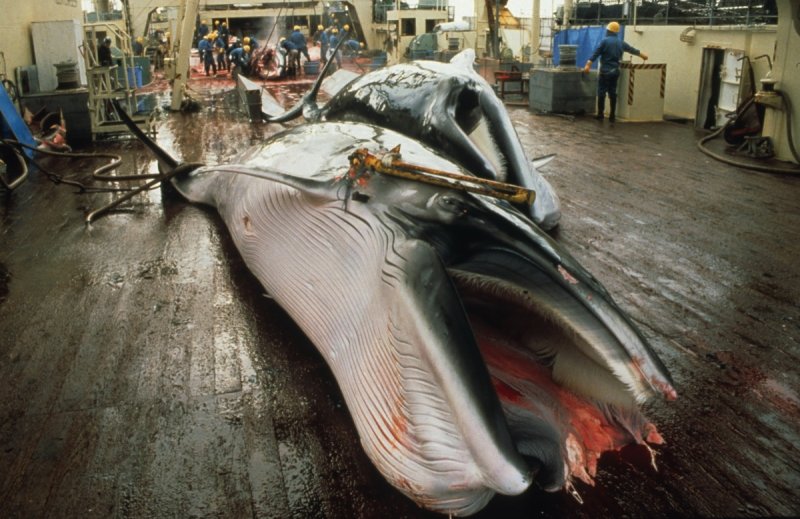
Whaling (c) Mark Votier
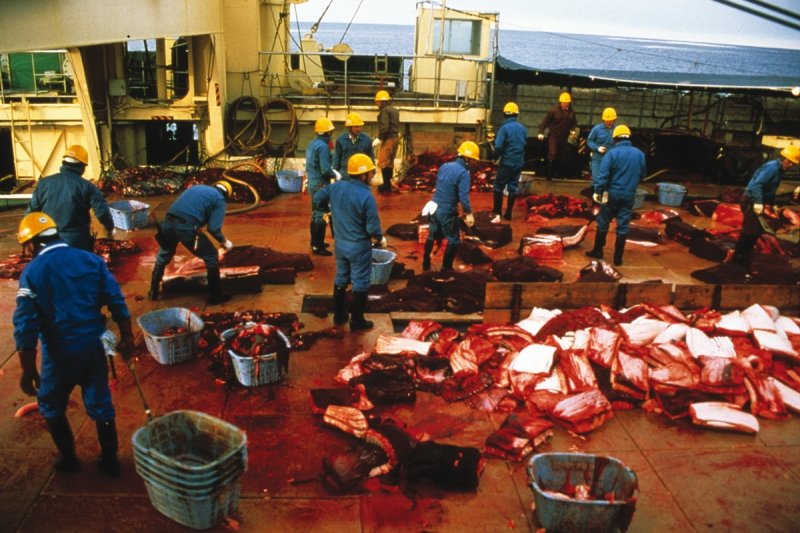
Whaling (c) Mark Votier
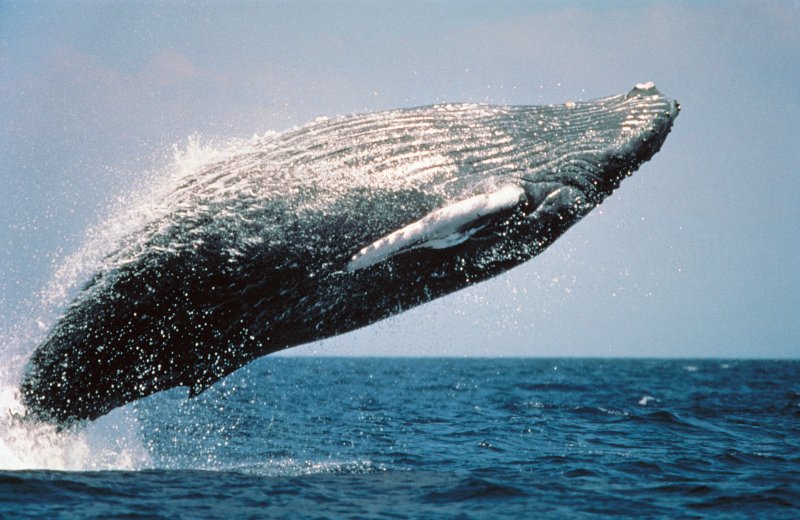
No whale sanctuary in Southern Atlantic

No whale sanctuary in Southern Atlantic
Este artículo se ha traducido automáticamente y puede contener pequeñas inexactitudes; en caso de duda, consulta la versión original en inglés.