Technical Diving Training: Is It Right for You? A Full Guide
scuba diving
mares
Have you ever finished a recreational dive and wondered what it would be like to stay longer, go deeper, or explore places most divers never see? If so, technical diving might be your next great adventure.
Technical diving takes you beyond the limits of traditional recreational diving —to do that it demands a higher level of skill, preparation, and equipment. It is not about rushing deeper; it is about learning to dive with more preparation, teamwork, and with a whole new level of precision.
This guide will walk you through the essentials you need to start your technical diving training: the key skills to master, the gear you will rely on, and how structured training like SSI's Extended Range programs can set you up for success. If you are ready to begin your journey into technical diving, this is the perfect place to start.
Table of Contents:
-
What Is Technical Diving, and Why Take the Leap?
-
Common Myths About Technical Diving Debunked
-
Building the Skills: What Every New Technical Diver Needs to Master
-
Gearing Up: Essential Equipment for Technical Diving
-
Technical Diving Training: How to Build a Strong Foundation
-
Staying Safe: The Golden Rules
-
Top Tips for New Technical Divers
-
Where Technical Diving Can Take You
mares
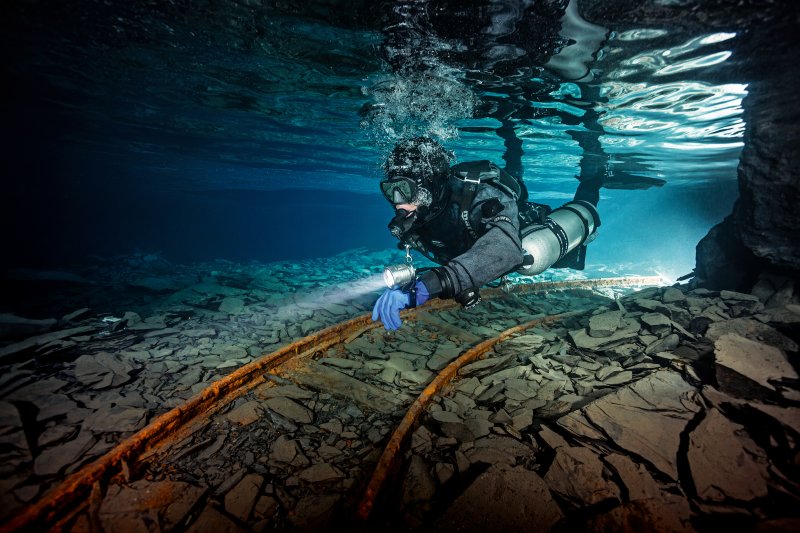
Technical divers explore overhead environments with advanced training and precise control.
Technical diving involves going beyond recreational depth limits (deeper than 40 meters / 130 feet), exploring overhead environments like caves or wrecks, and spending longer periods underwater that require planned decompression stops. It can also involve breathing specialized gas mixes like trimix or higher content nitrox / oxygen.
But it is not just about depth or time. Technical diving training gives you the skills and confidence to explore safely in some of the most challenging and beautiful underwater environments on Earth. If you are someone who loves mastering skills and wants to open up a whole new side of diving, technical diving offers incredible rewards.
Thinking about technical diving can feel overwhelming at first, but a lot of the worries new divers have come from myths rather than facts. Here is the truth behind some common misconceptions:
Myth 1: "You have to be an elite athlete to be a technical diver."
While good fitness is important for all divers, technical diving is more about skill, planning, and discipline than raw athletic ability. Many successful technical divers focus on mental sharpness and precision, not physical strength.
Myth 2: "Technical diving is only for daredevils and thrill-seekers."
Technical divers are some of the most conservative and cautious divers you will meet. Success comes from methodical preparation and a strong respect for limits.
Apex
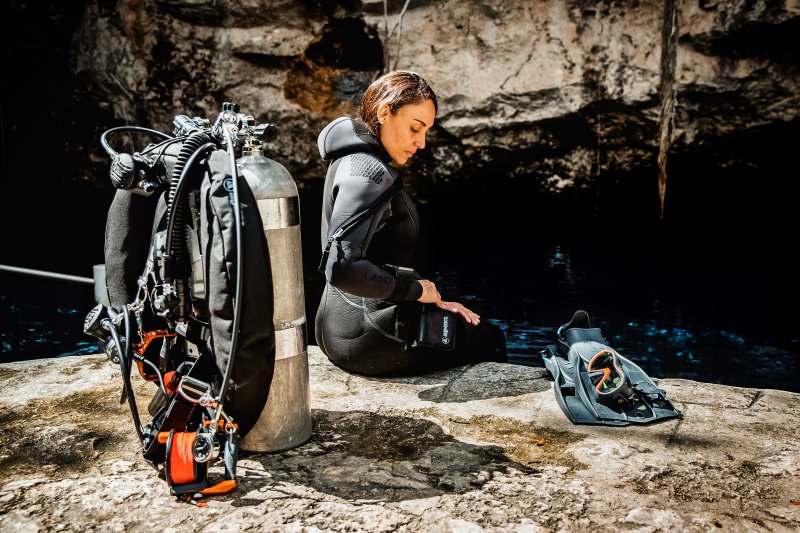
Proper preparation and equipment checks are essential in technical diving.
Myth 3: "It is way too expensive to even consider."
Like any specialized hobby, there are costs involved. But many divers build their gear setups and technical diving training gradually over time, spreading out expenses. Entry-level technical diving courses and equipment setups are often more affordable than people expect. A lot of your standard scuba equipment will transfer across.
Myth 4: "You have to go incredibly deep on every dive."
Not at all. Technical diving is about expanding your skills and planning capabilities, not setting depth records. Many technical dives happen shallower than 40m for lots of wrecks and caves.
GET INSPIRED: Top 5 Bonaire Dive Spots for Technical Divers
gerald_nowak-min
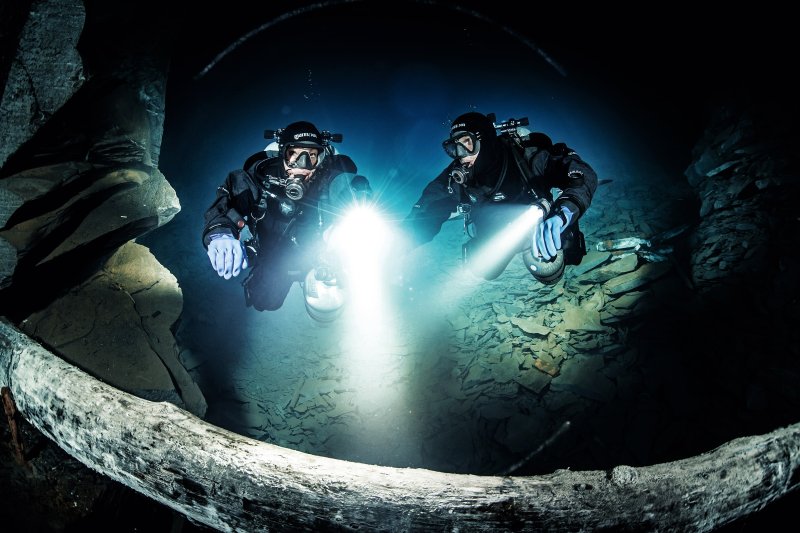
Technical diving opens the door to dive sites that few people ever get to see.
Before you start exploring deeper walls, wrecks or intricate overhead systems, you will need to refine and expand your core diving skills. These form the backbone of safe and successful technical diving training:
1. Buoyancy Control
Precise buoyancy is essential for technical diving. Whether you are maintaining position during a decompression stop or navigating through a confined space, you will need to control your position in the water almost effortlessly. Small adjustments using your breath is a skill you will practice until it becomes second nature.
2. Gas Management
Technical dives often involve using multiple gas cylinders and switching between different mixes during a single dive. You will learn to plan your gas consumption carefully, track it throughout the dive, and calculate reserves in case of emergencies. Good gas management and switching protocol can literally be life-saving.
3. Dive Planning and Redundancy
Technical diving is built on careful dive planning — not just for the perfect dive, but for managing anything that might go wrong. You will plan entry and exit strategies, gas switch points, decompression stops, and emergency procedures before you ever enter the water. Redundancy (carrying backup systems like spare regulators and lights) is a key part of every plan.
LEARN MORE: How to Prepare for Your First Extended Range Dive
iStock-ShaneGross
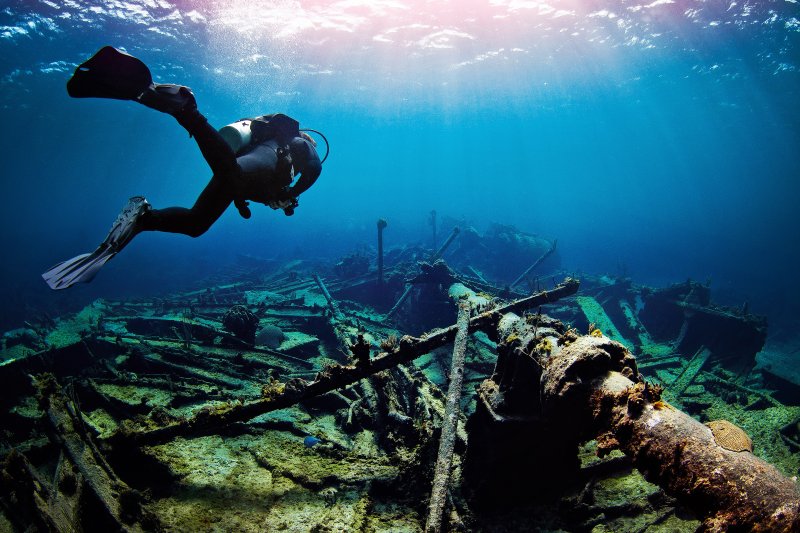
Advanced training allows divers to safely explore deep wreck environments.
Technical divers need gear that is specialized, streamlined, and built for serious underwater exploration. Here is what you will become familiar with:
- Twinset and Sidemount Systems
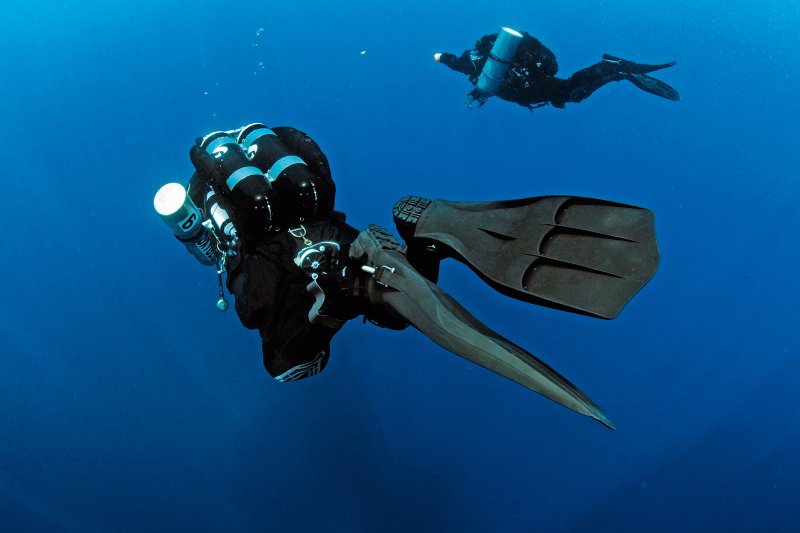
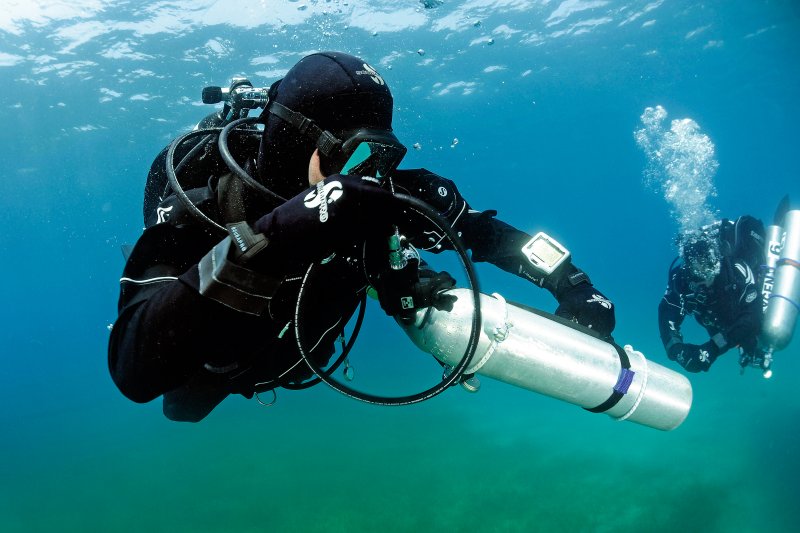
Rather than a single tank, technical divers often use twinsets (two tanks linked by a manifold) or sidemountconfigurations (tanks mounted to each side of the diver). These setups give you more gas, better balance, and essential redundancy options in the event of failure.
Some technical divers opt to use Semi Closed Circuit (SCR) or closed-circuit rebreathers (CCR), which recycle exhaled gas. Rebreathers allow for longer, quieter dives (great for getting close to wildlife), and very efficient gas use — but they require dedicated CCR training and a high level of system awareness.

mares
Rebreathers enable longer, quieter dives.
- Dive Computers and Backup Systems
Technical diving computers are more advanced than recreational models. They manage multiple gas mixes, track decompression schedules, and often have backup options built in. All technical divers carry a backup computer to use in the event of primary failure.
- Redundancy: Always Have a Backup
From lights to masks to buoyancy systems, redundancy is the rule. Every piece of critical equipment should have a backup so that no single failure ever puts the dive or the diver at serious risk. Two is one, and one is none is the way a technical diver looks at equipment.
Curious about where technical diving can take you? Discover The World's Best Ultra-Deep Dive Sites
gerald_nowak
Streamlined equipment and precise buoyancy are hallmarks of technical diving.
Good technical diving training is the key to safe, confident dives. SSI's Extended Range programs guide you through the skills, knowledge, and experience you will need, starting with strong a foundation and building toward deeper, more complex dives.
Here is how the journey typically begins:
1. Extended Range Foundations
The Extended Range Foundations course lays the groundwork for all technical diving training. Conducted in a pool or confined water at depths less than 12 meters, it focuses on developing precise buoyancy control, trim, finning techniques, stability, and teamwork. It is the perfect course for building confidence underwater.
2. Extended Range / Extended Range Trimix
The Extended Range program is the first full technical diving course. It trains divers to plan and execute decompression dives to a maximum depth of 45 meters, using either air, nitrox, or trimix as breathing gases.
Divers also learn to handle hyperoxic nitrox mixes (up to 100% oxygen) for decompression. The course builds solid team diving skills and prepares divers for longer bottom times and more complex environments.
3. Technical Extended Range Trimix
For divers who want to go deeper, the Technical Extended Range Trimix program certifies you to conduct unlimited-length decompression dives to a maximum depth of 60 meters using trimix. Training focuses on advanced gas planning, redundancy management, and multiple gas switches and longer decompression obligations.
Mares-Alberto Balbi
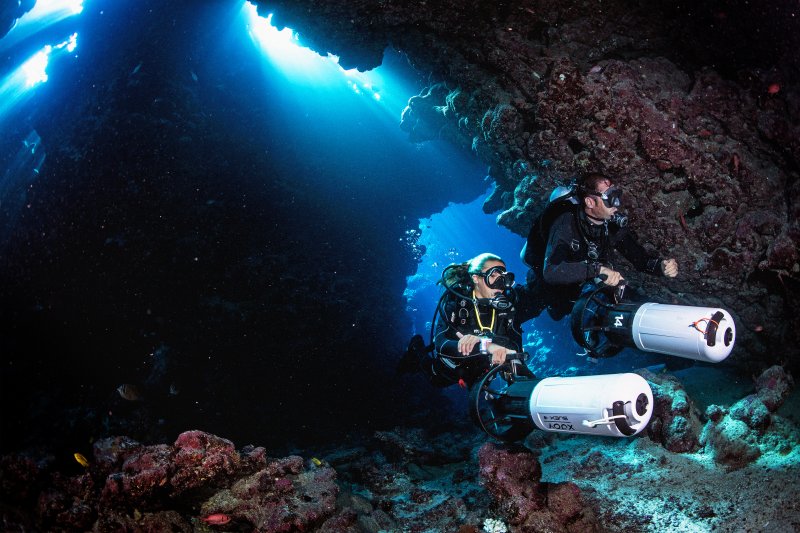
Strong teamwork and communication are fundamental to technical diving safety.
Technical diving offers amazing rewards — but only if you treat safety as your top priority. Every technical diver commits to principles like:
- Plan thoroughly and dive conservatively.
- Use strict pre-dive checklists and situational awareness checks.
- Stay within your training limits — no exceptions.
- Build and maintain strong teamwork.
- Create a culture of safety and open communication.
- Recognize stress and task loading before they escalate and always have a bailout / backup plan.
The reality is that technical diving is built on preparation, discipline, and clear thinking. That is why proper technical diving training and ongoing practice are so critical.
Dreaming of legendary dives? Explore The Story Of Diving The HMHS Britannic
shutterstock_RLS-Photo
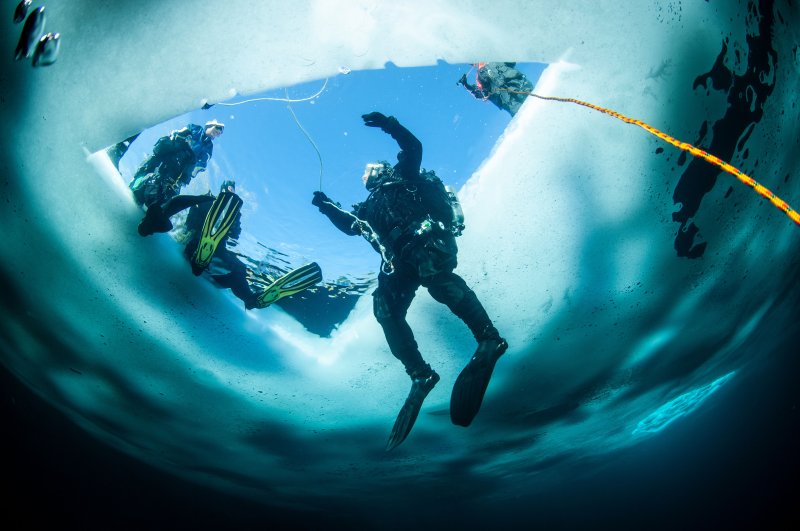
Extreme environments demand advanced skills, planning, and discipline.
Ready to take your first steps into technical diving? Here are some tips to set yourself up for success:
- Focus on buoyancy and trim now. The better you can control recreational gear, the easier it will be to adapt to technical setups later. Foundations is open to divers in recreational single tank configurations.
- Stay humble and curious. Technical diving is a discipline where learning never stops. Approach it with patience and respect for the complexity.
- Invest wisely in gear. Start with quality basics like a good harness, regulators, and a dive computer before committing to more advanced gear like rebreathers.
- Practice emergency skills until they are second nature. Valve drills, gas switching, and team communication need to be automatic when you move into technical environments.
- Find a supportive instructor and community. Learning from experienced, positive Extended Range Instructors can make a huge difference in both your skills and your confidence.
Technical diving can be for everyone — it is so vast. For those willing to invest in the right training, gear, and mindset, it offers unparalleled opportunities to explore the underwater world in ways few ever experience.
The skills you build, the discipline you develop, and the places you can go make technical diving one of the most rewarding paths in the diving world.
Ready to Begin Your Technical Diving Journey?
Start by connecting with a certified SSI Training Center near you. A qualified instructor can help you assess your readiness, recommend the right pathway, and guide you toward your first technical certification — safely and confidently.
Find Your Nearest SSI Training Center Today