Humpback whale sighted in the Bay of Greifswald
environmentmarine lifeoceanconservationhumpback whale
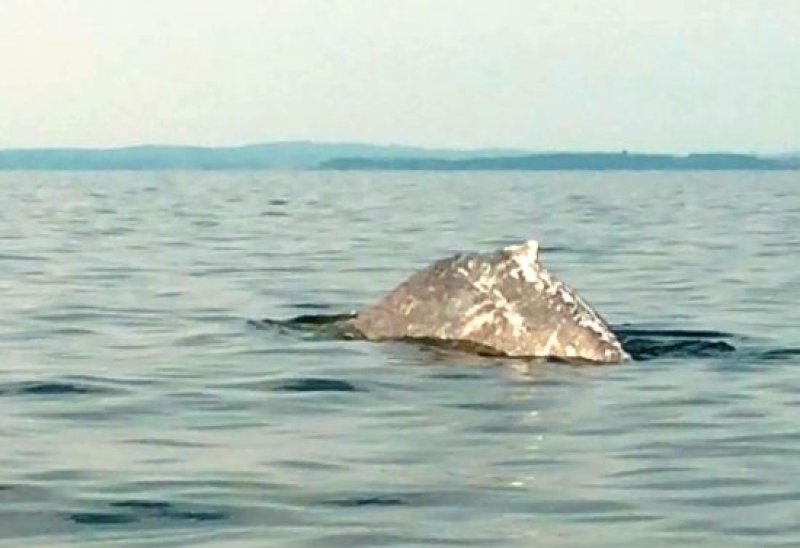
Humpback whale in the Bay of Greifswald. von Katja Zühl-Benz
End of last week, scientists at the German Oceanographic Museum spotted a humpback whale in the Bay of Greifswald. It had been swimming east of the island of Vilm before diving under the surface.
In a bid to find out its health and nutritional status, they have been working with the Federal Agency for Nature Conservation (BfN) and the Southeast Rügen Biosphere Reserve in the bay. Despite making five attempts, they have so far been unsuccessful in locating the animal.
According to the Museum’s Curator of Marine Mammals Dr Michael Dähne, such long dive times and short surface intervals are uncharacteristic of humpback whales, which are known to frequently leap out of the water and be seen near the water surface.
Other sightings of humpback whales have been few. Continuing in German, Dr Dähne added that since July 26th, they had received 17 reports of sightings through their website, by phone and via their app. However, he refuted the seemingly high number, saying that for the Baltic Sea and the Bay of Greifswald areas, it was particularly low.
At the end of July 2016, we had reported that sailors had seen a humpback whale in the Bay of Greifswald. Museum Director Dr Harald Benke, who has observed hundreds of whales around the world as a whale scientist, hopes that the humpback whale manages to find its way out of the Bay of Greifswald. As humpback whales need to bulk up on their food reserves during the summer for the coming winter months, he thinks that the humpback whale was there to build up its reserves. According to him, "it is questionable whether it would find sufficient food for the long winter. To make an accurate assessment of its nutritional status, we need good photos and videos of the animal."
As such, the Museum requests that the public continue to send in their images and footage of any sightings to www.schweinswalsichtung.de or via the Ostseetiere (Baltic Sea Animals) app, which can be downloaded on Android and iOS phones. They can also contact Dr Dähne directly at michael.daehne@meeresmuseum.de or mobile 0173 9688 267.
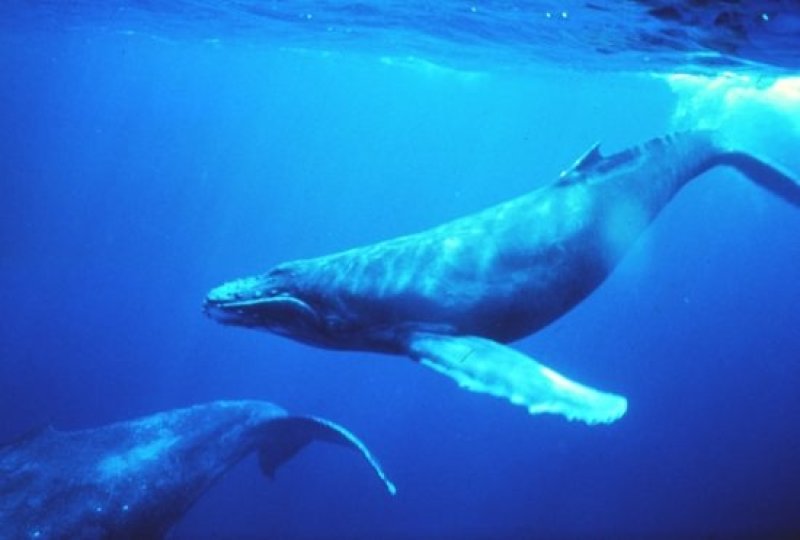
Humpback whales (c) NOAA
تمت ترجمة هذه المقالة تلقائيًا وقد تحتوي على أخطاء طفيفة؛ يرجى الرجوع إلى النسخة الإنجليزية الأصلية في حالة الشك.