The top of the plastic mountain
environmentmarine conservationplastic pollutionrecyclingeu directive
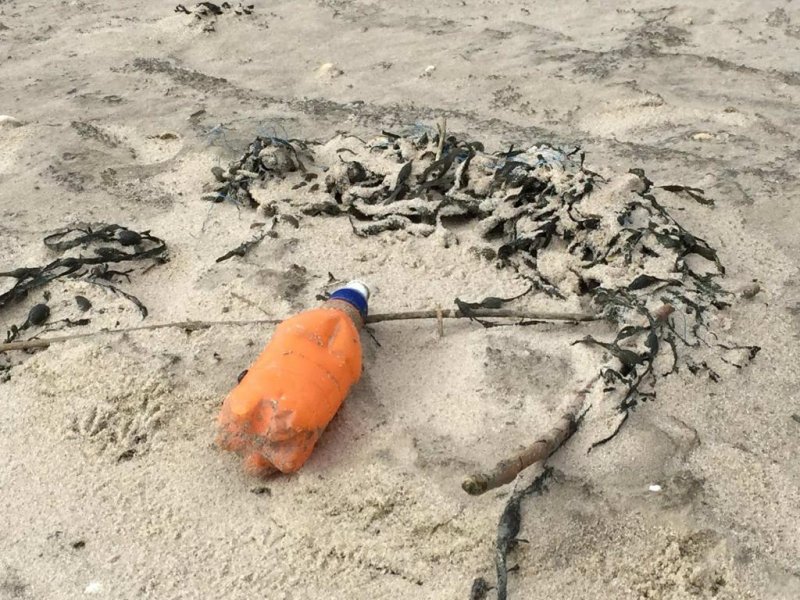
Plastic garbage at the Beach of Sylt
(c) Olaf Klodt
Progress and gaps in the EU directive on disposable plastic The European Commission has issued a directive to reduce environmental damage caused by certain plastic products. It deals with plastic waste from fishing and disposable plastic. Plastic straws and disposable cutlery should be banned and the amount of other products such as Food containers are reduced. From the point of view of the WWF, the EU initiative is an important step in the right direction, but it sometimes falls short. "This EU directive is a necessary fire fighting operation specifically related to the plastic products most commonly found in the sea. It is important to tackle disposable plastic directly, but the EU is targeting only the tip of the iceberg with disposable items from the catering trade. The large construction site of the packaging must be tackled with the same consequence. Europe-wide, clearer signals must be set towards prevention and the circular economy. We need clear guidelines to improve the recyclability of food packaging and to produce more from recycled material," says Heike Vesper, Head of Marine Protection at WWF Germany. From the point of view of the WWF, the concrete requirements for disposable bottles, which by 90 per cent have to be collected again by 2025 for recycling, are gratifying. The approach of obliging manufacturers of disposable cups made of plastic or filter cigarettes to dispose of their products and to clean the beaches is also correct. However, according to WWF, this principle of extended product responsibility must be implemented across Europe for all packaging. "The focus on disposable products in our fast-food and take-away culture must not hide the fact that packaging and microplastics still require urgent action. It is now up to the EU Parliament and Council of Ministers to give the directive clear reduction targets where they are lacking," Vesper said, recalling that national and European initiatives are important but not sufficient if not supported by national legislation. "Plastic pollution is a global problem that we need to find a global answer to. We need a "Paris Agreement for the Ocean" that stops the pollution of the oceans." In addition to disposable items can be found on the beaches mainly plastic waste in the form of old fishing equipment. The EU has made a first serve here, according to WWF. However, in order to be able to recycle fishery waste, there is a need for a "one-material specification" for nets and ropes and minimum standards for disposal capacities in ports. "Wage liability is also desirable for ghost nets, but it must be clear who bears the costs of salvaging and disposing of lost nets," said Heike Vesper.
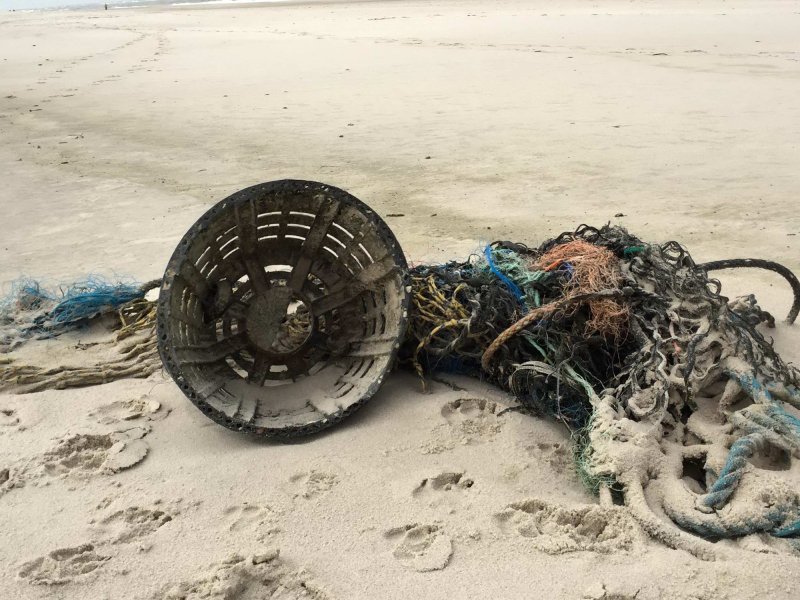
Garbage from the fisheries-industry at the Sylt West-Beach
(c) Olaf Klodt
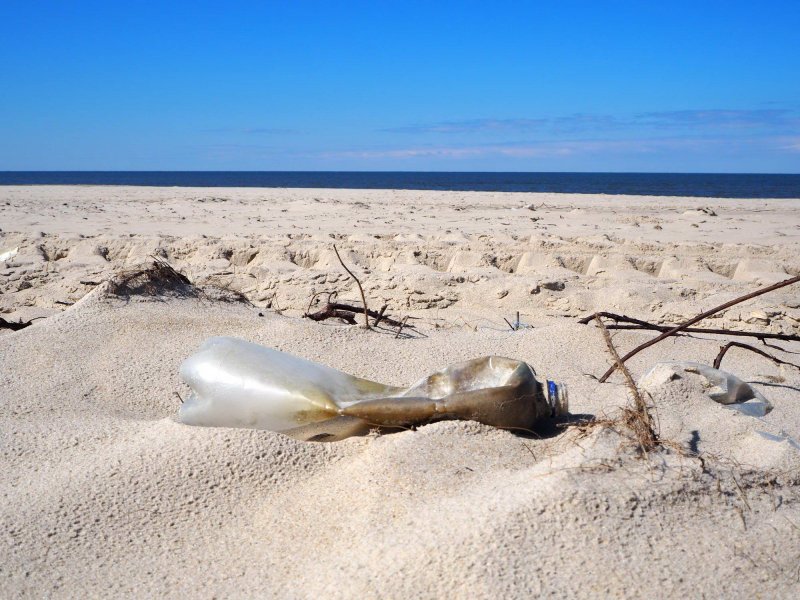
Plastic garbage at the Beach of Sylt
(c) Olaf Klodt
Bài viết này được dịch tự động và có thể chứa một số lỗi nhỏ; vui lòng tham khảo bản gốc tiếng Anh nếu có thắc mắc.