The Solomon Islands – Special Places II
scuba divingenvironmentssifreedivingextended range
The Solomon Islands have the credentials of an absolutely first class dive destination and are only a 3-hour direct flight from Brisbane; yet they remain little known and visited.
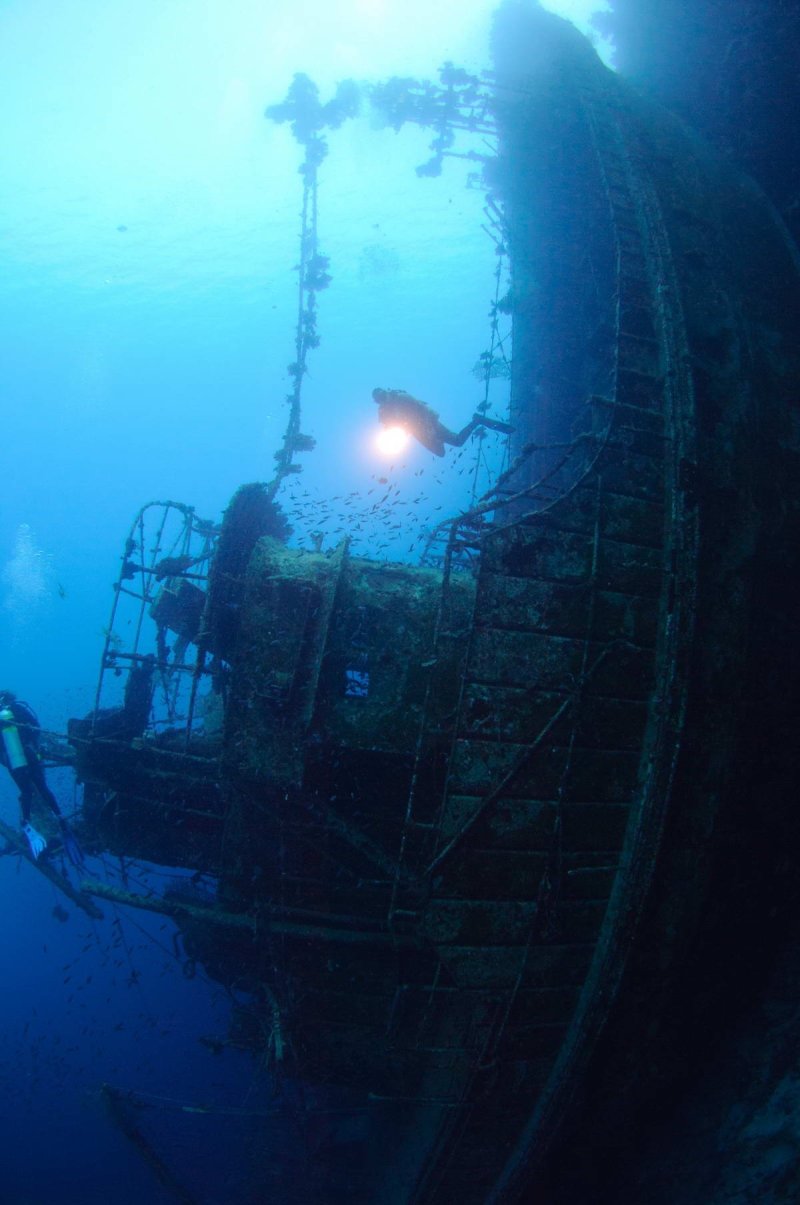
The Florida Islands Following an overnight steam, the diving can change drastically in the Solomons. The Florida Islands are a small Island group to the north of Guadalcanal, and amongst others, the group contains the islands Nggela Sule (also known as Florida Island), Tulagi, Gavutu and Tanambogo. The Floridas have become popular, particularly amongst technical divers. Whilst the majority of the ships sunk during the Solomons campaign in World War 2 lie in the unattainable depths of the aptly named "Iron Bottom Sound", there are still a number of notable wrecks that can be dived around this island group, with the destroyer USS Aaron Ward being at the top of most technical divers lists at a depth of 70 metres.
Wrecks however, make up only a fraction of what the Floridas has to offer.
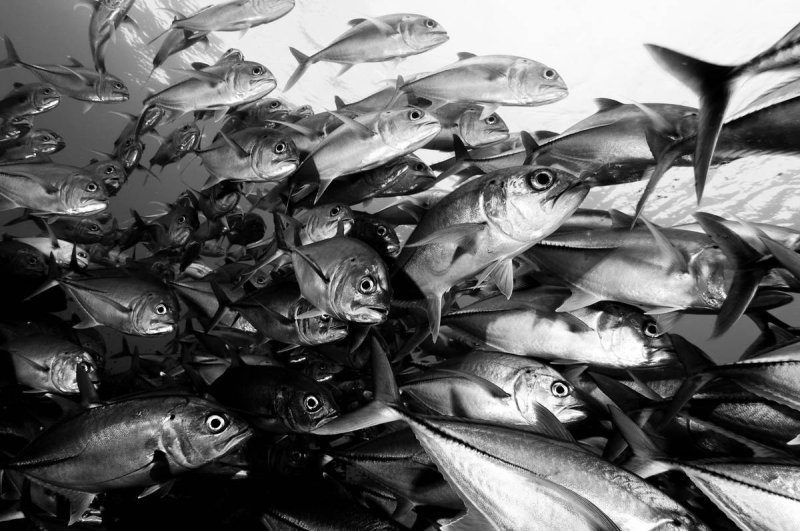
Tanavula point is a steeply sloping reef that is home to countless critters and it’s an easy dive whilst the more challenging dives include Passage Rock, which as it’s name suggests, is a shipping hazard rising from deep water as if out of nowhere. It’s swept by strong currents and frequented by pelagics. Within seconds of dropping into the water an eagle ray swept in close before speeding off into the blue and dogtooth tuna passed close by as they patrolled the upstream side of the reef. The reef top itself has a healthy coral garden, nourished by the currents that sweep the site.
New Georgia Islands The highlight of the New Georgia Islands is Marovo Lagoon, the largest saltwater lagoon in the world. Bordered by lush tropical islands with thick forest and mangrove, it was nominated as a world heritage site such is its significance, although that nomination was rejected due to the controversial and destructive logging practices going on here, one of the many environmental challenges that developing nations in the Indo Pacific region currently face.
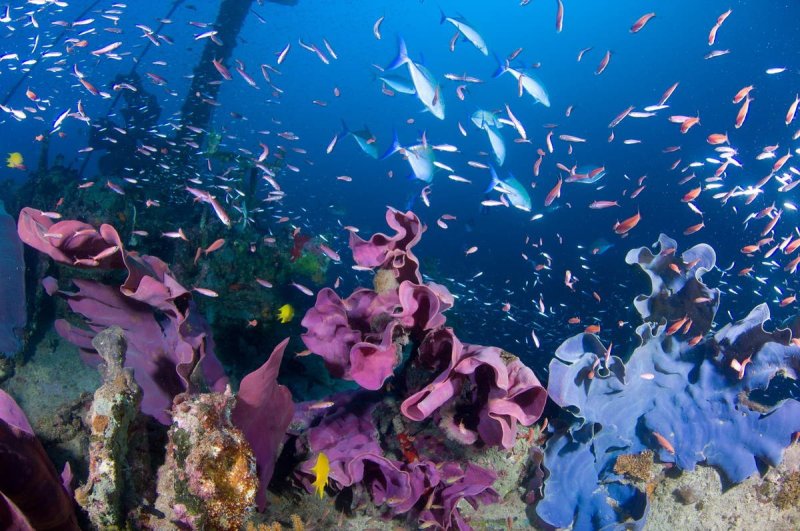
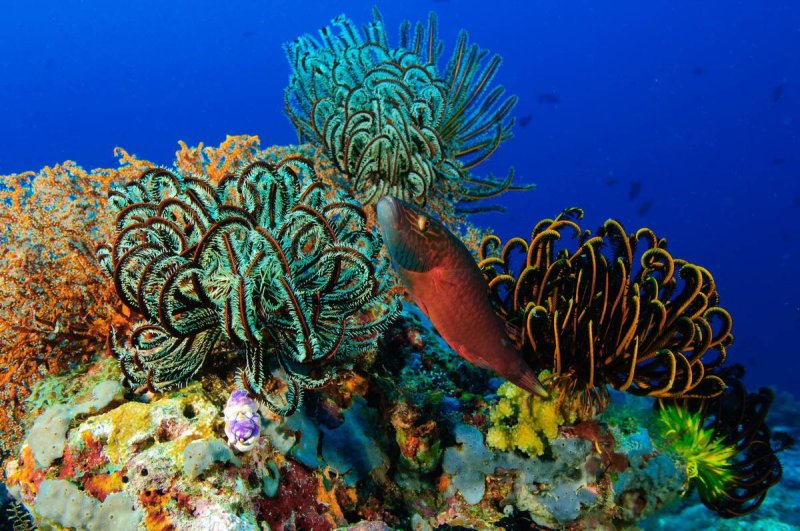
Some of the most exciting dives here are to be found on the entrances to the lagoon. Kokoana passage is a drift dive along a vertical wall, that simply explodes with colourful, undamaged gorgonians and soft corals. Fish life is also rich here: A school of over 20 humphead parrotfish seemed to follow me the whole dive. These are the largest of the parrotfish family growing to 1.3 metres in length and can weigh over 40 kilograms. Their beak is fearsome! We also see a number of reef sharks and it’s not unusual to sight pelagic species such as hammerheads here. Like most other destinations, shark populations in the Solomons have drastically declined in recent years, as the abominable shark fin trade takes its toll. Nonetheless shark sightings are relatively common in the Solomons, at least for the time being.
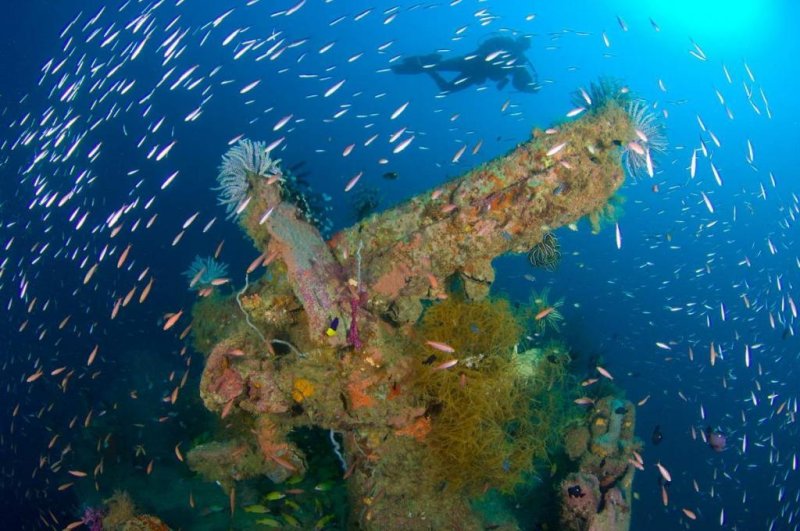
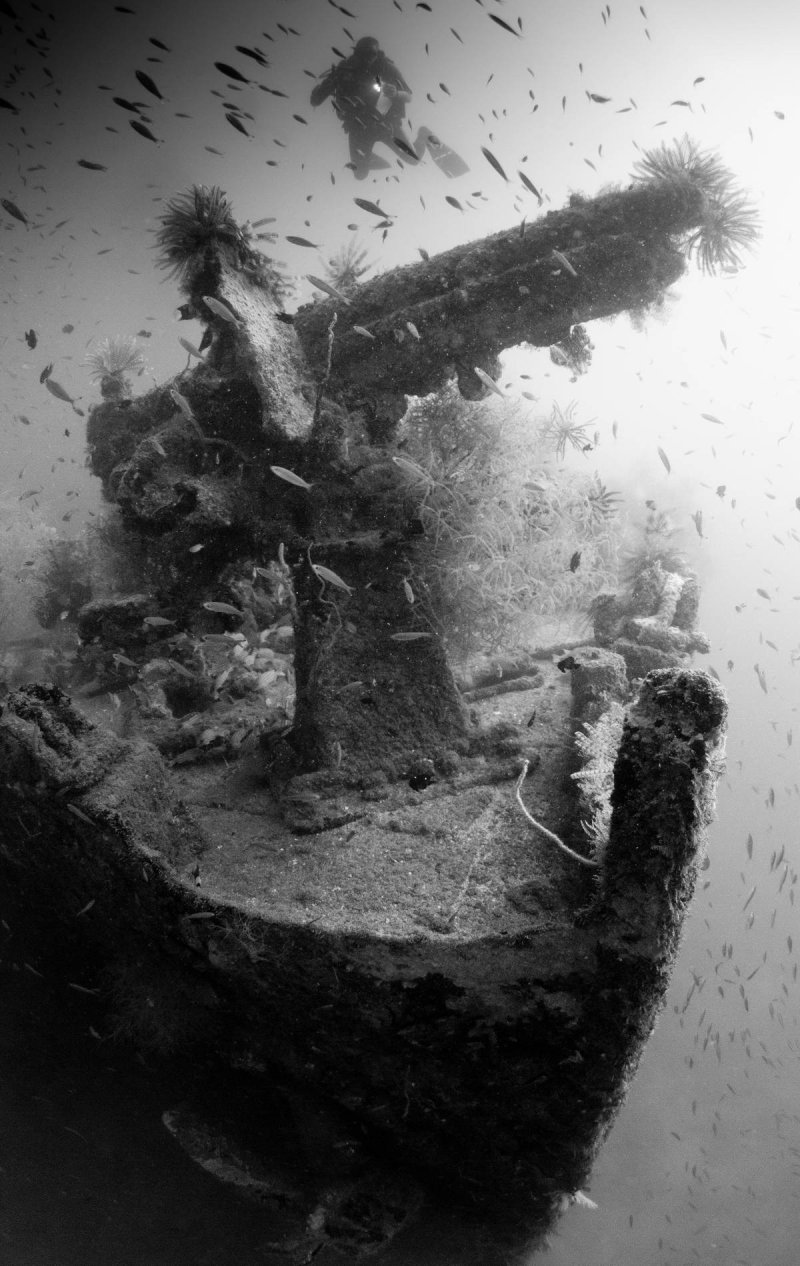
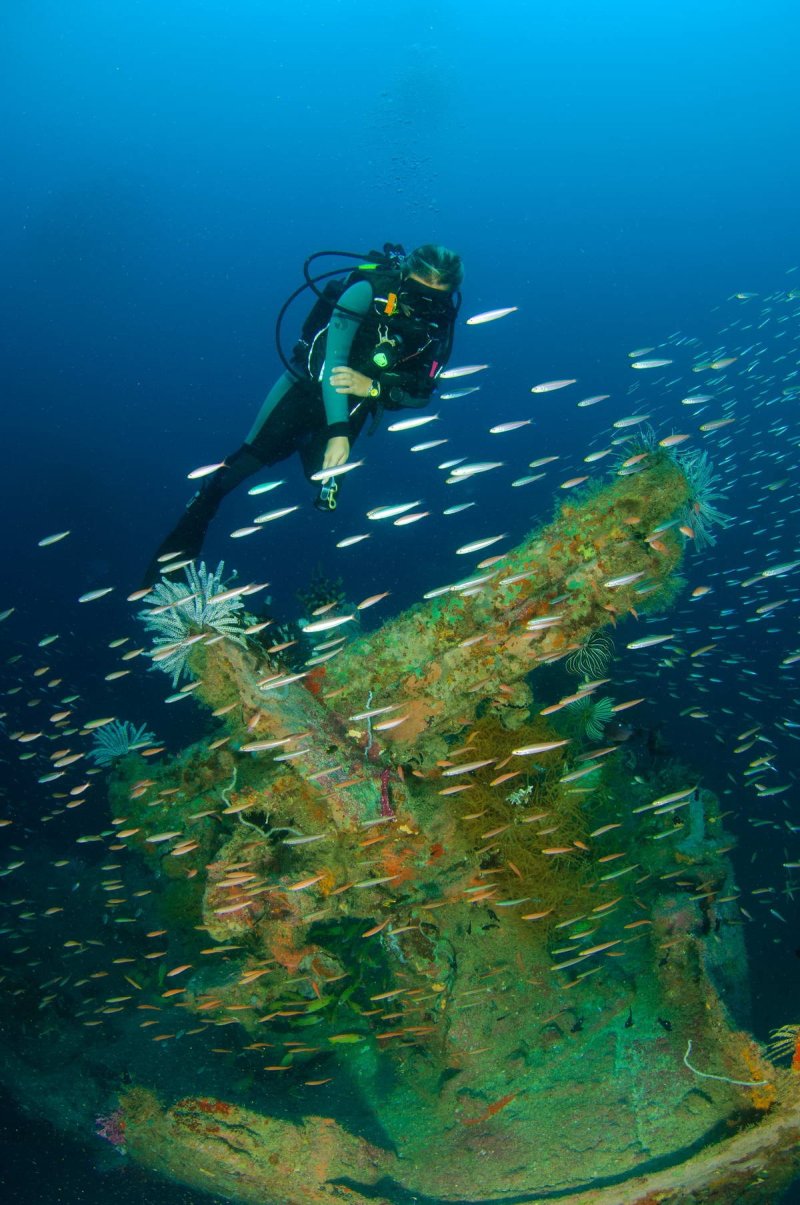
Our final dives in the New Georgia Islands take us to some of the relics of the war. The unidentified Japanese cargo ships, known simply as Maru 1 and 2 were bombed by allied aircraft and sunk at their moorings whilst resupplying their forces in the area. A field gun lies on the deck of one of the ships and an anti aircraft gun points defiantly at the sky on another, both colourfully encrusted in coral. The coral and fish life on these wrecks is so profuse that even the submerged mooring buoy is covered in life. Sea spiders, tiny decorator crabs and even blenny’s live on this coral encrusted sphere, no bigger than a football. Even safety stops in the Solomons leave a smile on your face that matches that of the welcoming local islanders. Special thanks to Bilikiki Cruises for their support.
Some more information for Travellers:
Getting There Solomon Airlines fly directly to the capital, Honiara from Brisbane and other regional airports.
Dive Season The Solomons are located in the tropics, not far from the equator. Dry season runs from May to October, with rainfall very light. Summer runs from November to April and this is known as the wet season, but the surrounding sea tempers the effect and there is no persistent monsoonal type rain. Cyclones are not common but can occur during this period. January to March are the wettest months. You can dive here year round.
Geography The Solomon Islands are a double chain of 6 large islands and many smaller ones (992 in total) lying just over 2000 km from Brisbane, Australia. The Solomon’s extend 1667 km south east from Bougainville Province in Papua New Guinea. 347 of the islands are populated.
Currency Solomon Island Dollars. Australian and US dollars can be readily exchanged at hotels and banks.
Language
The official language in the Solomons is English but Solomons Pijin, which contains many English words, is the more widely spoken language. There are 68 other living languages spoken throughout the country.
Security
The Solomons have suffered from political and civil unrest in the past, however it is considered a safe destination for tourists and the same precautions are advised as when travelling in any developing nation.
Electricity
240 volt, Australian style plugs. The liveaboards additionally provide 110 volt US style plugs for chargers etc.
Health and vaccinations
There is a decompression chamber in Honiara, which is manned by volunteers, however serious cases will require evacuation to Australia.
Medical facilities are very basic throughout the Solomon Islands – insurance for diving accidents, such as that offered by DAN, and general travel insurance is therefore essential and mandatory on the Bilikiki.
Dengue fever and malaria occur in the Solomon Islands, although not on the scale of African countries – preventative medication and insect repellent are advised.
Visas and Permits Canadian and US Citizens currently do not require visas, just a valid passport and return ticket. The Passport must have at least 6 months validity after departure from the Solomon Islands and a Visitor’s Permit will then be issued on arrival. Full requirements can be checked here. Other nationals should check with their foreign office.
Communication and GSM GSM roaming is limited in the Solomon Islands and will also depend on whether your service provider has a roaming agreement with the operators there. Wireless broadband is available in some hotels in Honiara, but bandwidth is limited. The MV Bilikiki has satellite phones on board for guests to make use of, subject to standard satellite phone call charges
Timezone
Standard time zone: UTC +11 hours, EST +16 hours, PST +19 hours
See also Solomon Islands The Solomon Islands - Special Places I
Bài viết này được dịch tự động và có thể chứa một số lỗi nhỏ; vui lòng tham khảo bản gốc tiếng Anh nếu có thắc mắc.