The Ocean Cleanup retains debris from the sea
environmentmarine conservationoceanplastic wasteocean cleanup
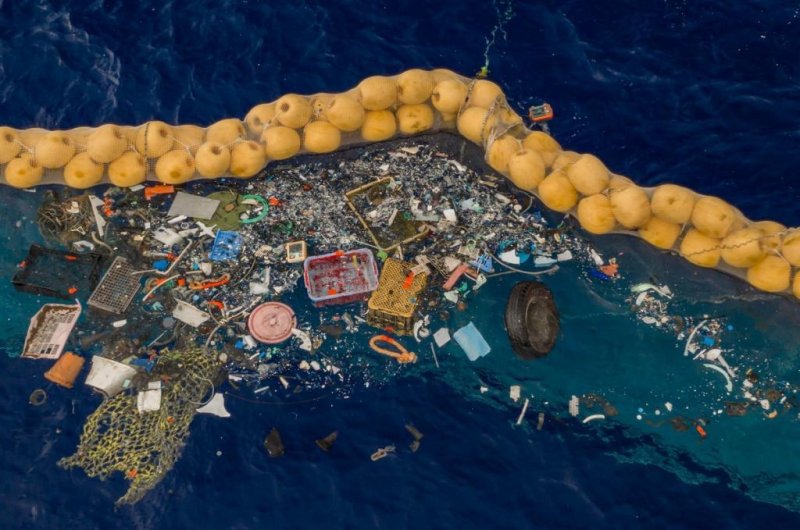
Plastic retention in front of the extended cork line (System 001/B) (c) The Ocean Cleanup
It’s working! First technical problems are solved The Dutch non-profit The Ocean Cleanup, which develops advanced technologies to clean the oceans of plastic, has announced that its latest ocean cleaning prototype, the "001 / B System", is successfully collecting plastic waste. The new system uses the natural forces of the ocean to passively trap and concentrate plastics and debris. Launched in June 2019 from Vancouver, "System 001 / B" is the second attempt to prove the concept of collecting garbage from the Great Pacific Trash, the largest collection area of plastic in the world's oceans. In addition to the collection of clearly visible plastic remnants and larger ghost nets, the latest system has also successfully captured micro-plastics down to a size of 1 mm. "After we started our mission seven years ago, this first year of testing in the relentless environment of the high seas shows that our vision is viable and that the beginning of our mission to clean the ocean of plastic waste is in sight," explains Boyan Slat, Founder and CEO of The Ocean Cleanup. "Our team is determined to solve the immense technical challenges to arrive at this point, we still have much to do, and I'm grateful for the team's commitment." The mission will continue Despite the early success of "System 001 / B", there is still much to do. With new insights and experience from successful operations, The Ocean Cleanup is now beginning to develop the next ocean cleaning system "System 002", a comprehensive cleaning system capable of both sustaining and sustaining the collected plastic over long periods of time. Once the system is fully functional, it will bring plastics to land for reuse. The timing of this phase of the mission is dependent on further testing. More Information: https://theoceancleanup.com.
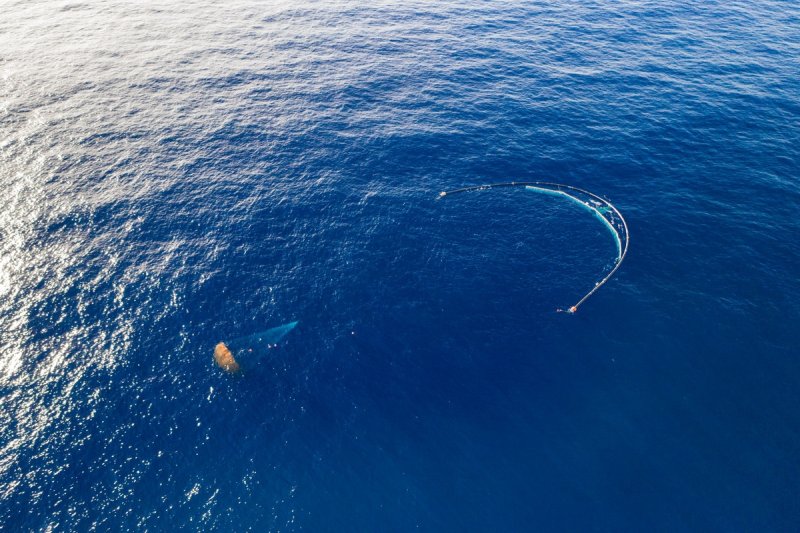
Aerial View (c) The Ocean Cleanup
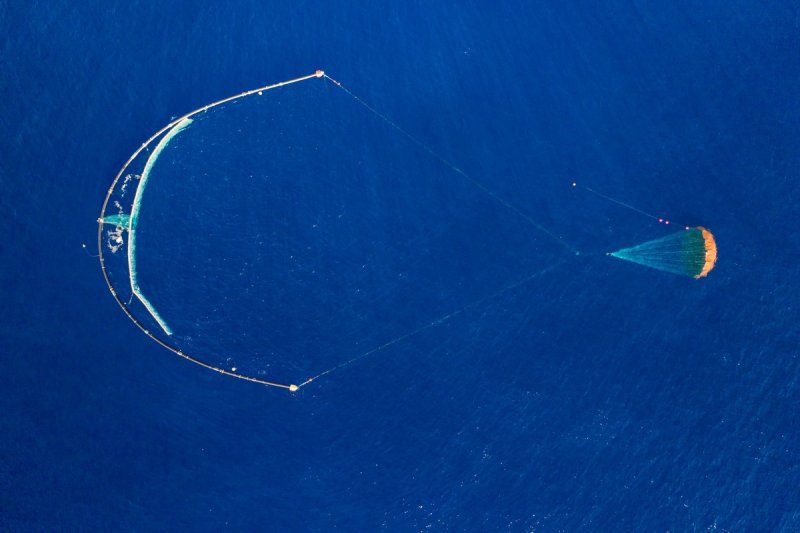
Aerial View (c) The Ocean Cleanup
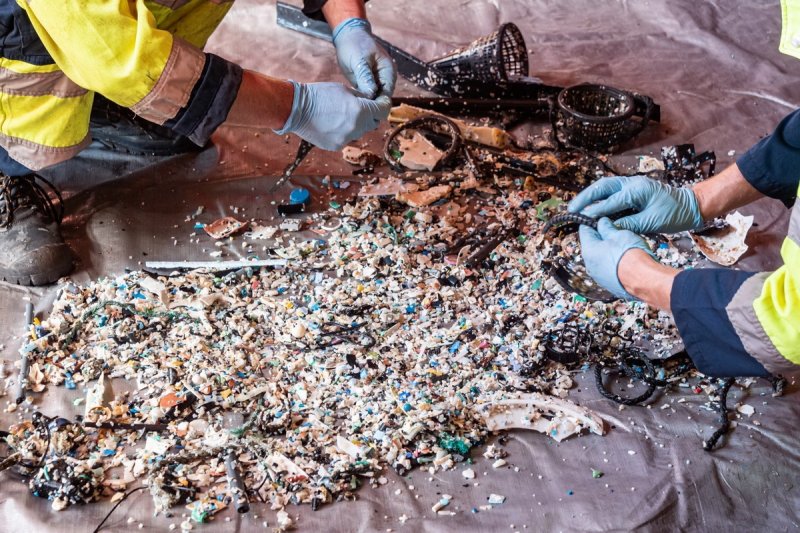
Crew sorting plastic into size and type classes onboard the support vessel during System 001/B mission (c) Aerial View (c) The Ocean Cleanup
Bài viết này được dịch tự động và có thể chứa một số lỗi nhỏ; vui lòng tham khảo bản gốc tiếng Anh nếu có thắc mắc.