Controversy in Catalonia due to the lucrative coral fishing
scuba divingenvironmentmarine lifeconservationcoral fishing
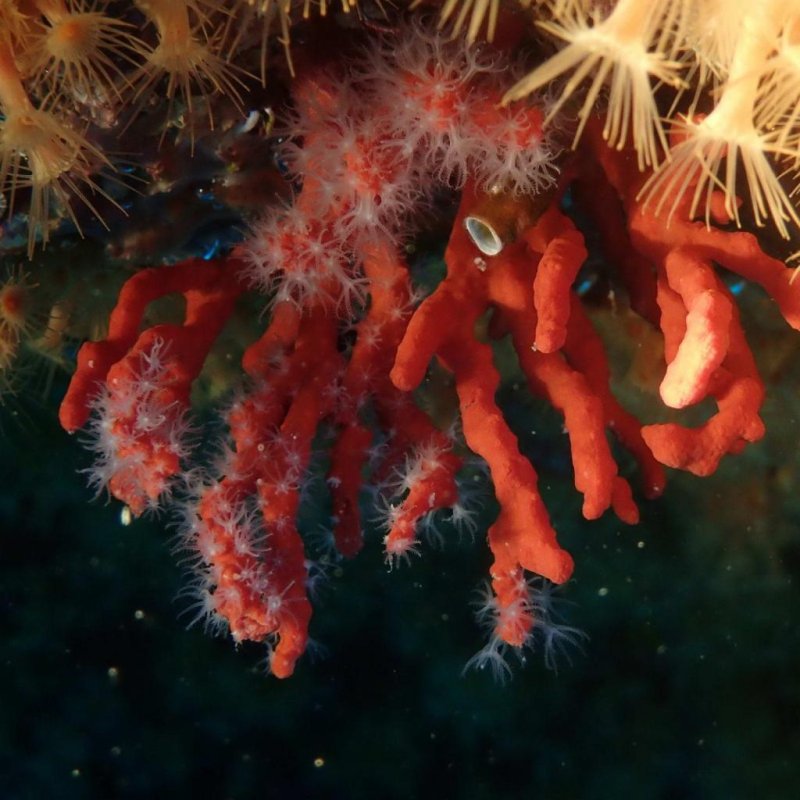
Red Coral (c) Boris Mörker
The flow of money Often there are pure economic arguments that prevent rational decisions followed by consequences which are no longer understandable with common sense. This just happened on the Catalan Mediterranean coast from Tarragona up to the north - to Cap de Creus, near the French border. There have been some demonstrations in recent weeks that have absolutely nothing to do with the conflict that is currently simmering between Barcelona and the Madrid central government. However, a new ruling by the Spanish administration is heating up the mood of divers, diving centres, the major Spanish diving federations FEDAS and FECDSÀS, lifeguards, paddle surf clubs, swimming clubs and numerous other water sports and conservation organizations, marine biologists from the University of Barcelona and even associations and divers teachers of many European countries. The demonstration was initiated by the issuance of twelve red-coral mining licenses on the Costa Brava, which, according to them, are out-of-date for the conservation of the endangered red coral and continue to put pressure on the critically low population of red coral , Coral fishing has a long tradition in Spain, and the president of the Spanish Coral Fisheries Association, Joaquim Baeza, does not understand all the excitement: " The area for which the permits were granted is very small, " he said, stressing that the professional fishermen have always respected the limits and conditions imposed. The problem is apparently also due to the widespread illegal exploitation of the red coral, which is mainly used for jewelry production in Italy and as a component for pharmaceutical products. Jan Boelen, dive centre manager of Euro-Divers Cala Jonquols (see his commentary below), Boris Mörker of Poseidon Rosas and the team of Diving Portlligat Cadaqués have a completely different view. " It is simply not up to date to reduce nature's resources so sustainably without need. And the professional coral fishing is not the only problem, but also the massive black mining causes considerable pressure, because controls hardly take place practical, " Jan Boelen told Taucher.Net. The pressure groups, who have joined forces to conserve the Red Coral in Spanish waters, are also heard by the National Park Administrations and the Catalan authorities. They wanted to reach an initially ten-year moratorium, which forbids the dismantling of the Red Coral and demand stricter controls. However, it is not the conservationists or the Catalan administration who are responsible for coastal waters extending beyond the Spanish jurisdiction, but the Spanish authorities, which have now caused turbulence with the twelve permits. The Catalan Generalitat, with its support for the demand for a ten-year break from mining, refers to an investigation commissioned by her which called the presence of red coral in the coastal waters of the Costa Brava critical. The professional fishermen doubt these results and President Baeza states: " Corals are a resource of fishing and for some time we have been portrayed as criminals ". A new, more comprehensive study is required of them, which assesses the overall situation of the stock and not just the stock in the few, ever smaller zones, which would be covered by the mining permits. The environmentalists and, above all, the scuba divers among them, want to continue fighting and continue their red banderoles with the slogan " Vida al coral, vida al mar " ("Long live the coral, long live the sea") in demonstrations and actions and use it attractively over water. And the louder the voice of those who care about the resources of nature and the ethical aspects of using those resources are heard, the more likely the factions that only care about the continuous flow of money are silenced.
See also (Catalan): https://www.gerio.cat/noticia/330810/els-pescadors-confirmen-que-hi-ha-poc-corall-vermell-on-shan-concedit-llicencies Quarrel in Catalonia over ethical aspects of "trading with red corals" A commentary by Jan Boelen – dive centre manager of Euro-Diver Cala Joncols, Costa Brava - Spain All my early role models middle of the eighties, had red or black coral on their chest, I know one of Bonifacio who is now 84 years old, I remember a German world champion body builder, same big black coral on his chest, one of my first colleagues French instructor called "Tarzan" nice piece of coral on his chest. There is certain romanticism in this as I like to listen to their stories going on their own, solo diving, hardly any material, and knowledge of decompression models. I Iove and admire this characters, but we know better now and we should change our attitude towards dealing with natural resources. However I would be looking forward to some stories of those dinosaurs having survived their work conditions and the parties they threw in Bonifacio, Baleares and other Magic places of the coral industry I think it is not a coincidence that we talk about "blood" coral as we do with blood diamonds, blood money etc. People try to justify why they want to keep on making money with this activity. Using non arguments in my point of view. The fisherman trying to tell there is still lots of it but deeper, I take his word for that. There is still lots of petrol, but it is rather smart to look for alternatives. For coral the same reasoning should apply. I think that for blood coral there are also ethical arguments for not doing it. It is a death animal that you use a jewellery. And it is another habitat that is getting lost. The fishermen admit that above 40 meters there is hardly any of it, which is a loss of habitat. Which means before animals adapt to that things disappear. I do not pretend to be a scientist neither do I consider myself a tree hugger…. But I sincerely believe that there are no arguments in favour for harvesting red coral. Except that there are people willing to pay a lot of money for it, which in Spain like in many other countries is the only consideration. The fisherman in favour of it is right that there is hardly any control in who is harvesting which amount gets sold etc and is in favour of more control. There I agree with him, knowing that it is very difficult to control anything. Most of the blood coral goes to Italy, wishing that there should be more control sounds very good in a press release but knowing that Italy is involved and hoping for control is like chaining a dog with two meters of sausage. The actual political set up in Italy, as in Spain will not improve matters either, so forbidding harvesting for an amount of 10 years was a good initiative. It is not even so that after 10 years they cannot start harvesting again it is mainly a moratorium for 10 years…. At least the activity around the moratorium creates awareness, people taking stands and talking about it might change people’s attitude in the long run when buying blood coral.
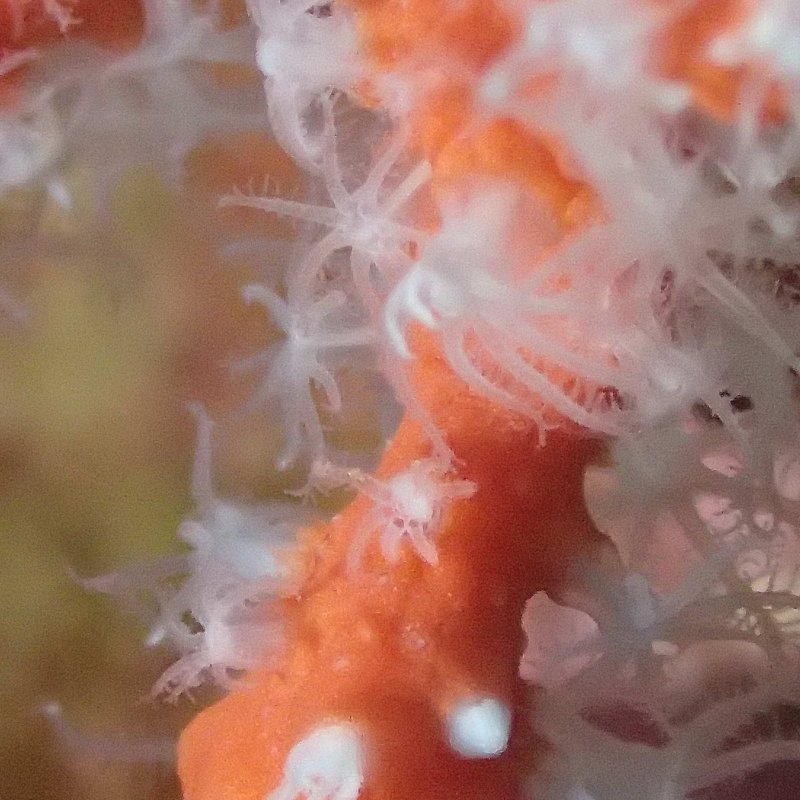
Red Coral (c) Boris Mörker
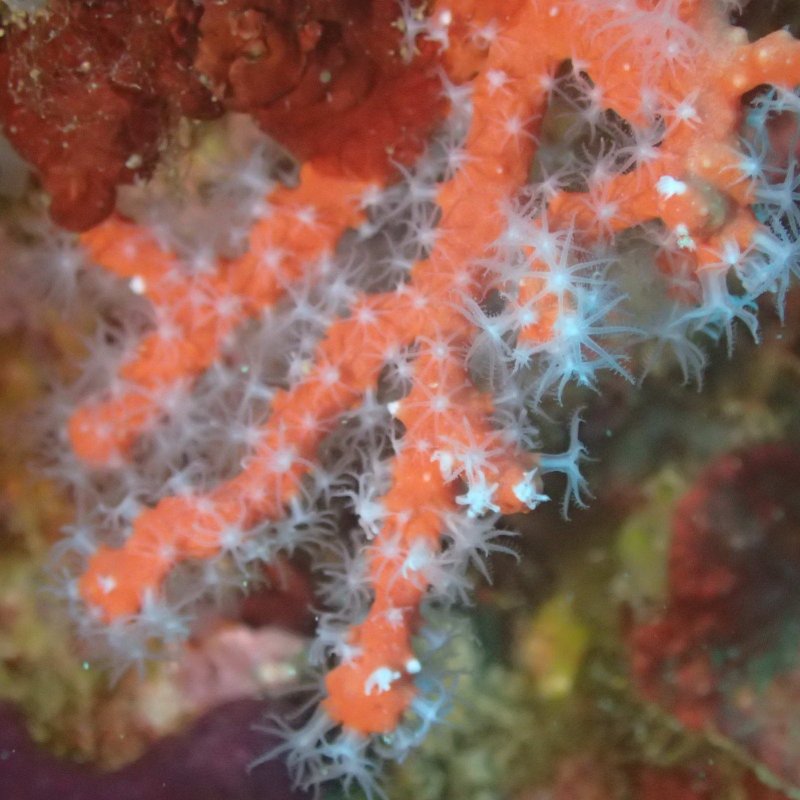
Red Coral (c) Boris Mörker
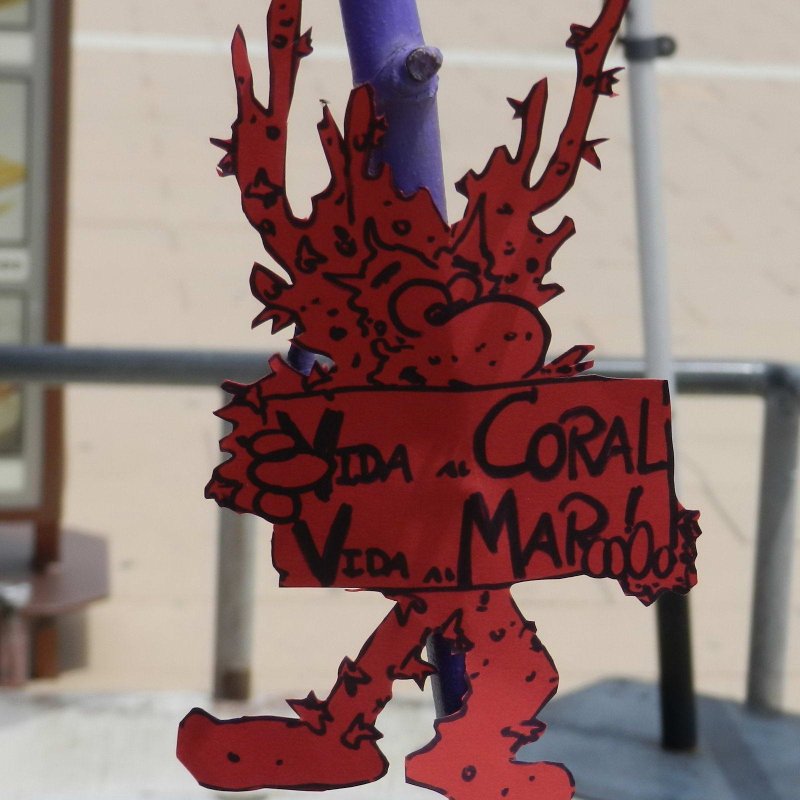
Mascot of the Red Coral Initiative
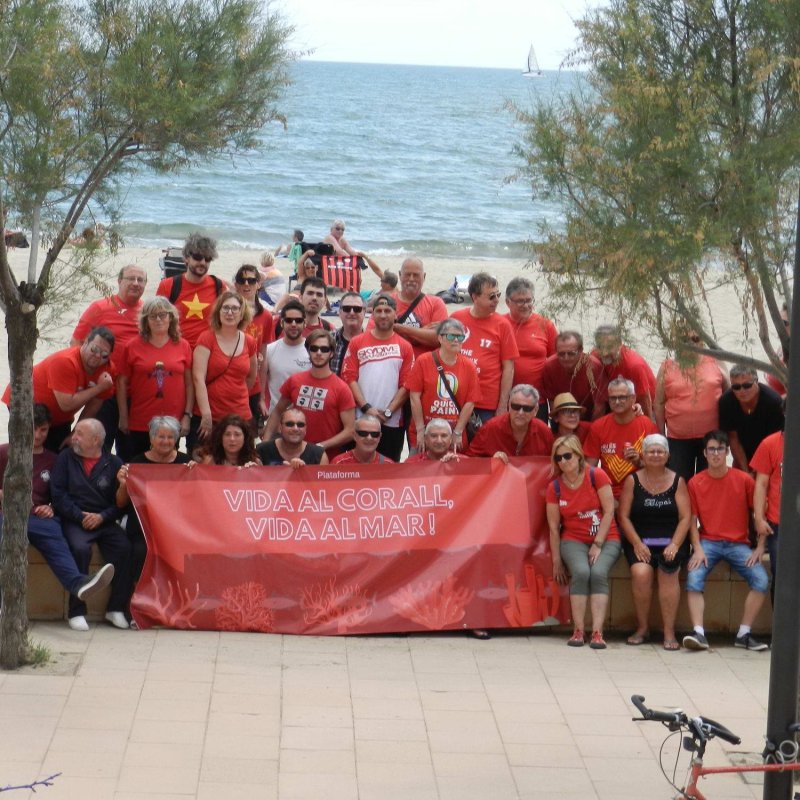
Initiative for the Red Coral (c) Boris Mörker
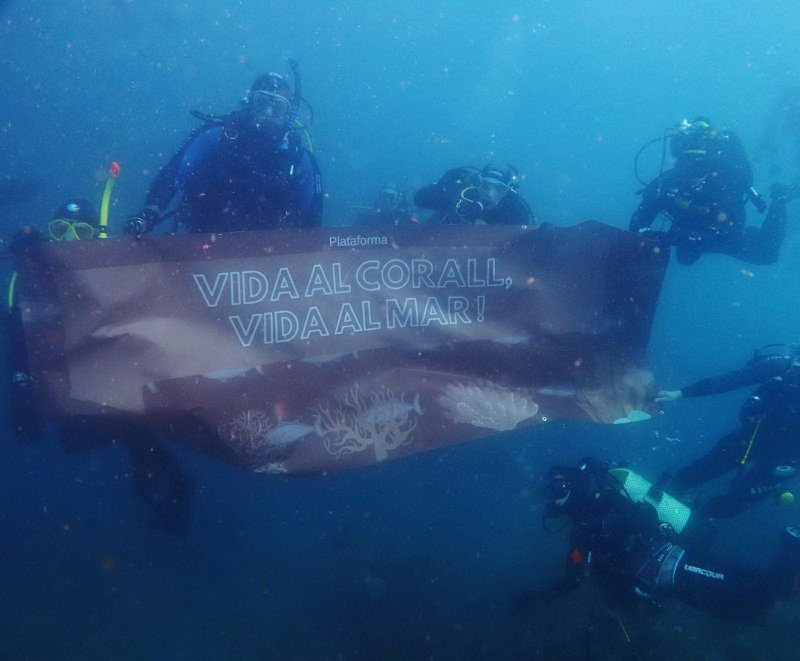
Initiative for the Red Coral (c) Boris Mörker
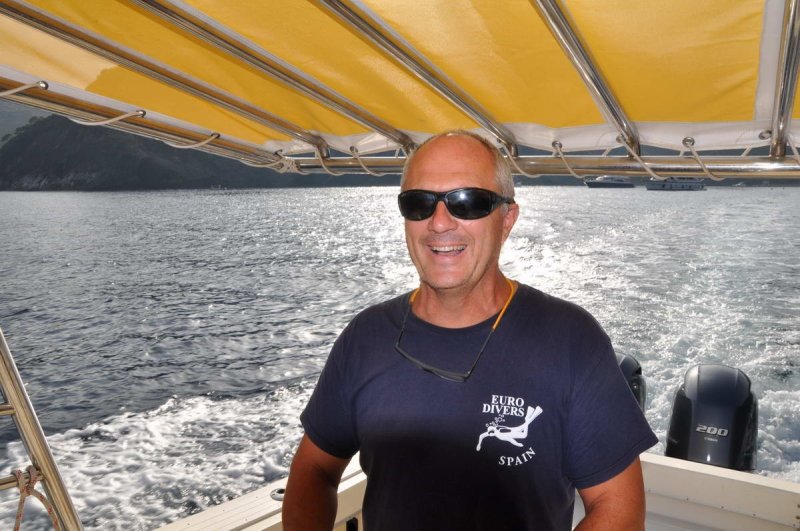
Jan Boelen, Dive Centre Manager of Euro-Divers Cala Joncols
Bài viết này được dịch tự động và có thể chứa một số lỗi nhỏ; vui lòng tham khảo bản gốc tiếng Anh nếu có thắc mắc.