Shark nets on the beaches of South Africa have been removed
environmentmarine lifemarine conservationoceansouth africa
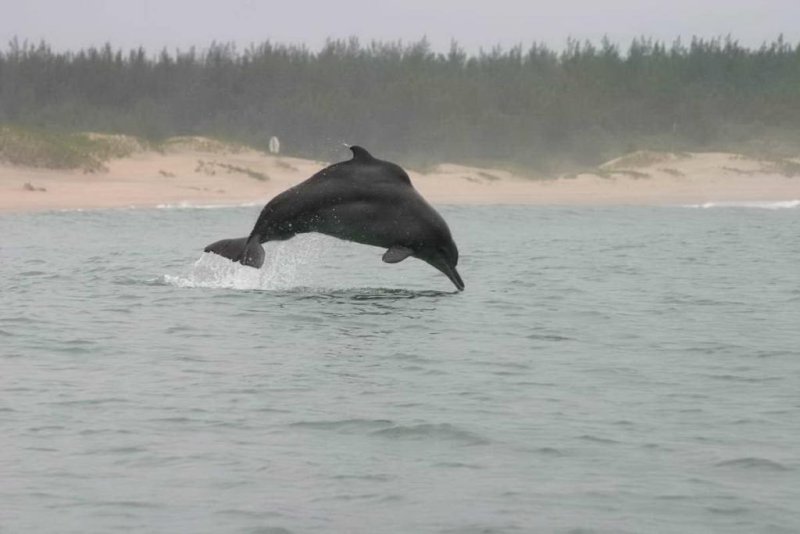
Humpback dolphin (Sousa plumbea)
(c) Brett Atkins
Death traps for sharks, dolphins, rays and turtles Since July 26, 2018, there are no more shark nets on beaches in South Africa. The reason for this is a strike by employees of the KwaZulu-Natal Sharks Board (KZNSB) responsible for maintaining and setting up the so-called "beach protection nets against shark attacks." For safety reasons the nets must not stay unattended - because they are a threat to marine animals like ghost nets, and kill dolphins, sharks and other marine animals. Thus the combined 23.4 kilometres of shark nets, which were installed on beaches on the coast of the province of KwaZulu-Natal, have now been removed. We are very happy about this unexpected development, which is positive for innumerable marine animals: dolphins, sharks or rays can finally swim safely along the coast of South Africa ", Ulrich Karlowski, diploma biologist at the Society for the Rescue of the Dolphins eV (GRD) explained.
No protection against shark attacks Shark nets are not a barrier. About 400 m off the coast, several shark nets are installed in front of the bathing beaches (up to 6 metres high and 200 metres in length per section), which float just below the surface of the water. Dolphins, sharks and other marine animals can swim past and under them. The nets may be psychologically important for beach users, but they are deadly to marine animals, with about one-third of the sharks killed in the nets - dying if they are about to leave the beach area, " explaines Karlowski. Within 30 years, 33,000 sharks, more than 2,200 turtles, nearly 8,500 rays and 2,500 dolphins died in the Shark nets of KwaZulu-Natal Province. In addition to the endangered Humpback dolphins (Sousa plumbea) also Indo-Pacific bottlenose dolphins (Tursiops aduncus) and long-nosed common dolphins (Delphinus capensis) are affected. Shark nets are tools for destroying large specimens of rare shark species, such as the great white shark or bull shark, as collateral damage it is accepted that the last surviving Humpback dolphins in South Africa are eradicated, " said Ulrich Karlowski. Shark nets are not legally required in South Africa and highly controversial. The decision lies with the respective city and local authorities, which commission the KZNSB with the costly installation and maintenance of the nets.
Population, tourists and communities are being pressured In order to put pressure on the municipalities in KwaZulu-Natal, the KZNSB is now spreading widespread warnings to go swimming at the now unprotected beaches. Some beaches were even blocked. " Maybe we are lucky and the situation is further delayed. Higher wages would be even more costly, which should make the already difficult negotiations with local authorities even more difficult ", hopes Karlowski.
Project to protect dolphins Since mid-2017, GRD has been supporting South African marine biologist Shanan Atkins from the Witwatersrand University in Johannesburg and her project "Humpback Dolphin Research". The goal of the project is to prevent the extinction of the last approximately 200 surviving Humpback Dolphins at the east coast of South Africa. More Informationen: www.delphinschutz.org/projekte/suedafrika/
See also: Successes in fight against dolphin threats in South Africa Death of endangered Humpback Dolphin provokes controversy about shark nets
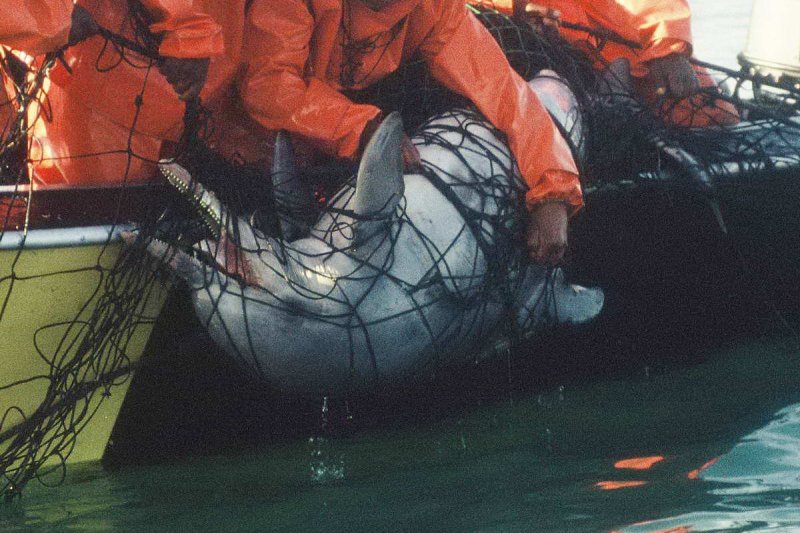
Humpback Dolphin (Sousa plumbea) in a shark net
(c) Brett Atkins
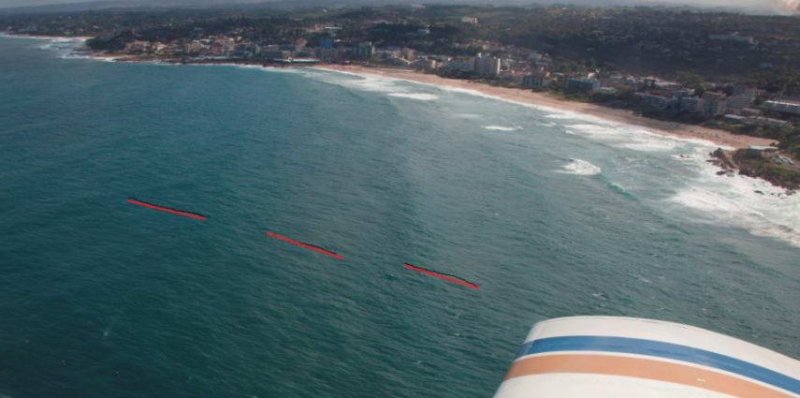
Sharknets (see red lines)
(c) Sharkproject
Ця стаття була автоматично перекладена та може містити незначні неточності; у разі сумнівів зверніться до оригінальної англійської версії.