Conservation round-up 2016
environmentmarine conservationclimate changebiodiversitywwf
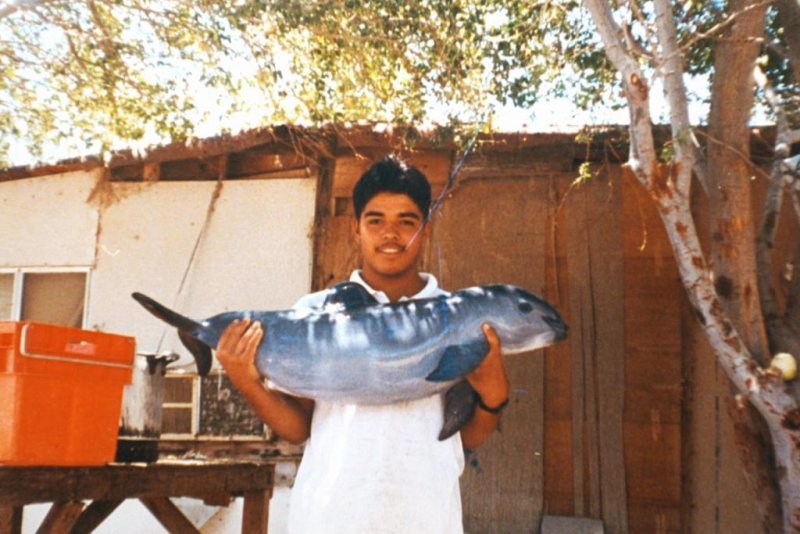
Loser in 2016: vaquitas, less than 60 of them are left, living off the coast of Mexico
(c) WWF / Jesus Camacho
The winners and losers
2016 has not been a good year for the great apes, lions, giraffes or vaquitas, according to the WWF. Their populations have declined, as threats continue to mount.
This year, the fringe-limbed treefrog has gone extinct, with the last known member having died in September 2016.
Poaching, habitat loss, climate change and overexploitation — these animals are subjected to these challenges and personify the challenges faced by biodiversity worldwide.
The WWF's Living Planet Report shows a steep decline in 2016. On the average, the monitored species population abundance dropped by 58 percent between 1970 and 2012.
Eberhard Brandes, CEO of WWF Germany, warned in German, "Man is the cause of the largest global extinctions since the dinosaurs."
Losers in 2016
In particular, the WWF highlights two specific species: the whale sharks and the vaquitas.
The whale shark, although the world's largest fish, is threatened by the changing temperatures and chemical composition of the oceans. They are also being hunted and sometimes end up as by-catch in fishing nets. Presently, the species is considered to be very endangered, as we have reported here.
As for the vaquitas, less than 60 of them are left, living off the coast of Mexico. Their largest threat is fishing, as they too end up as by-catch in illegal fishing nets meant for the totoaba fish, as we have reported here. If they do not receive the proper protection, the species is doomed to go extinct.
Winner in 2016
One of the winners is undoubtedly the lionfish. With rising ocean temperatures, the poisonous lionfish must feel more and more at home in the Mediterranean Sea. They are obviously benefitting from the effects of climate change, having crossed the Suez Canal into the Mediterranean. Since they do not have any natural enemies, they pose a threat to the ecological balance there, as we have reported here.
See here for more information

One of the winners is undoubtedly the lionfish. With rising ocean temperatures, the poisonous lionfish must feel more and more at home in the Mediterranean Sea.
(c) Jürgen Freund, WWF

The whale shark, although the world's largest fish, is threatened by the changing temperatures and chemical composition of the oceans.
(c) Jürgen Freund, WWF
Ця стаття була автоматично перекладена та може містити незначні неточності; у разі сумнівів зверніться до оригінальної англійської версії.