Amazon Reef photographed for the first time
environmentmarine conservationssigreenpeaceamazon reefoil drilling
Amazon Reef photographed for the first time
(c) Greenpeace
Greenpeace explores the newly discovered reef
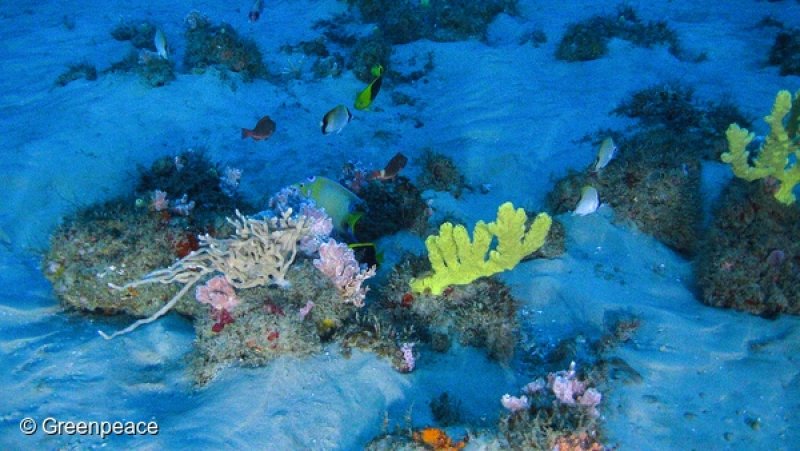
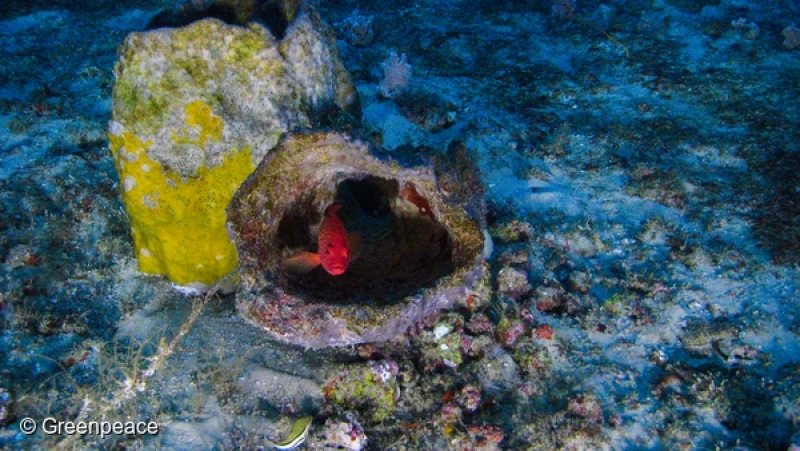
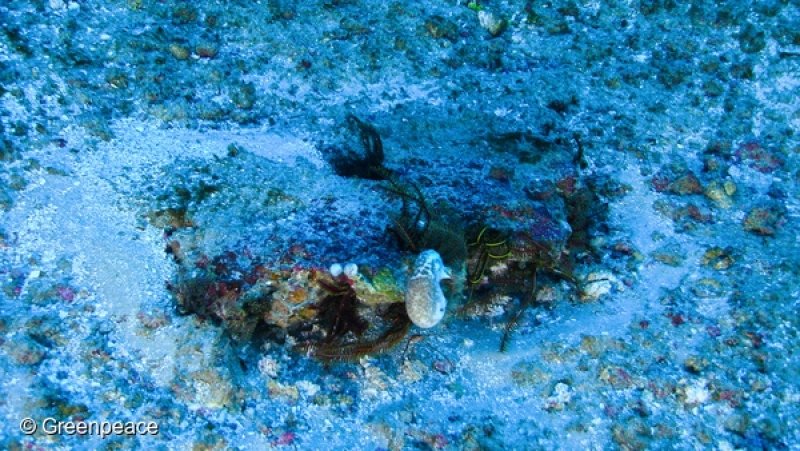
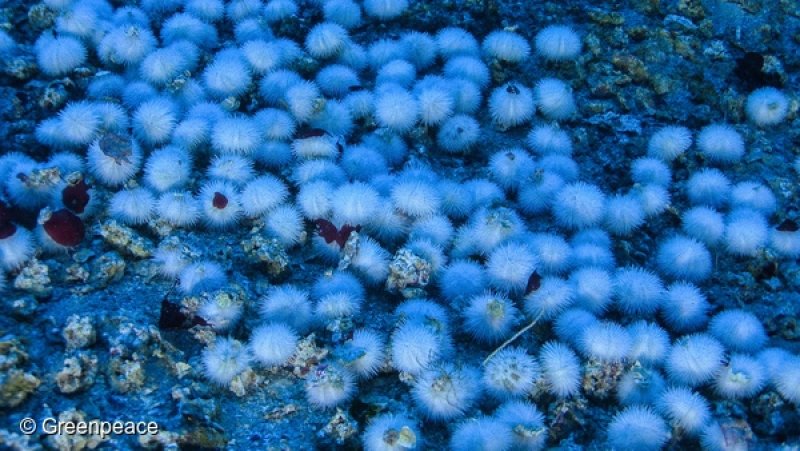
Off the Brazilian coast, where the Amazon River meets the Atlantic Ocean, researchers discovered a unique ecosystem. Beneath the waves lie a vast coral reef, spanning more than 9,500 square kilometres.
Greenpeace Brazil has captured the first underwater photographs of the Amazon Reef.
Travelling on board the Esperanza , a team of experts are exploring the gigantic reef, which stretches from French Guyana to the Brazilian state of Maranhão.
Some of the oceanographers who had discovered the reef in 2016 (as we had reported here ) are part of the team.
Searching in a submarine launched from the Esperanza, the team was at a depth of 220 metres when the reef came into view, more than 100 kilometres from the Brazilian coast.
" This reef system is important for many reasons, including the fact that it has unique characteristics regarding use and availability of light. It has a huge potential for new species, and it is also important for the economic well-being of fishing communities along the Amazonian coastal zone, " said Nils Asp, a researcher at the Federal University of Pará in Belém, Brazil.
" Our team wants to have a better understanding of how this ecosystem works, including important questions like its photosynthesis mechanisms with very limited light. Hopefully, this will lead to a gradual mapping of the reef system. At the moment, less than five percent of the ecosystem is mapped, " said Asp.
As experts study the reef, oil companies Total and BP are gearing up to explore the area for potential oil drilling sites. Once the Brazilian government grant them the permission, these oil companies can start drilling for oil in this area.
The oil reserves are estimated to be approximately 15 to 20 billion barrels.
" We must defend the reef and the entire region at the mouth of the Amazon river basin from the corporate greed that puts profits ahead of the environment. One of Total's oil blocks is only eight kilometres from the reef, and environmental licensing processes are already underway, " said Thiago Almeida, a campaigner at Greenpeace Brazil.
Drilling in this area means there is a constant risk of an oil spill. The Cape Orange National Park, the northernmost point of the Brazilian state of Amapá, houses the world's largest continuous mangrove ecosystem. Should there be any oil pollution in the area, our current level of technology is incapable of cleaning up the damage.
The risks that exist in this area are increased by the strong currents and sediment that run through the Amazon. To date, 95 wells have been drilled in the region, and all have been abandoned; 27 due to mechanical disturbances, with the rest due to their lack of economic relevance.
The Amazon Basin is a habitat for manatees, the Amazon's yellow tortoise, dolphins and endangered river otters. It is also home to local communities of fishermen and more than 80 Quilombola communities that are economically dependent on an undamaged and intact natural environment.
See here for more information
Videos:
- https://youtu.be/-JNqLeVKa6o
- https://youtu.be/xxVGSLIWkpw
Amazon Reef photographed for the first time
(c) Greenpeace
Amazon Reef photographed for the first time
(c) Greenpeace
Amazon Reef photographed for the first time
(c) Greenpeace
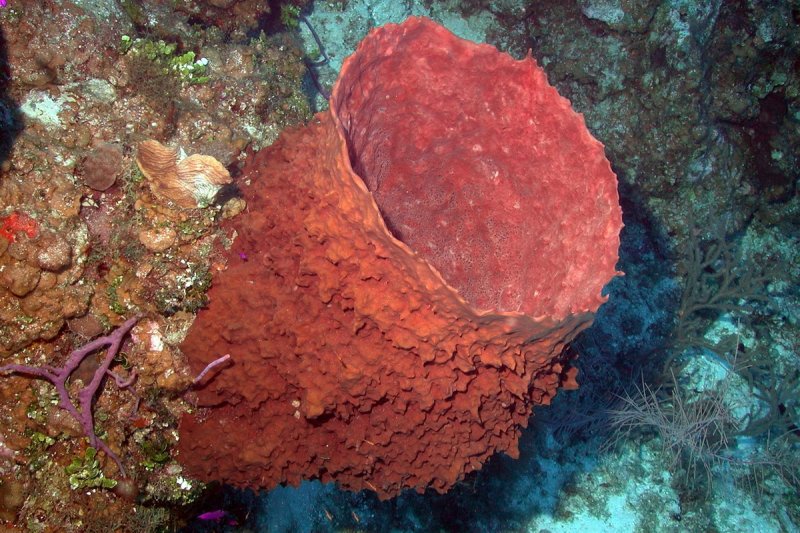
Amazon Reef photographed for the first time
(c) NOAA
Bu makale otomatik olarak çevrilmiştir ve küçük hatalar içerebilir; şüphe duymanız durumunda lütfen orijinal İngilizce versiyona bakın.