New Zealand's coastal seas are declared as marine "Hope Spot"
environmentmarine conservationoceanendangered specieshope spot
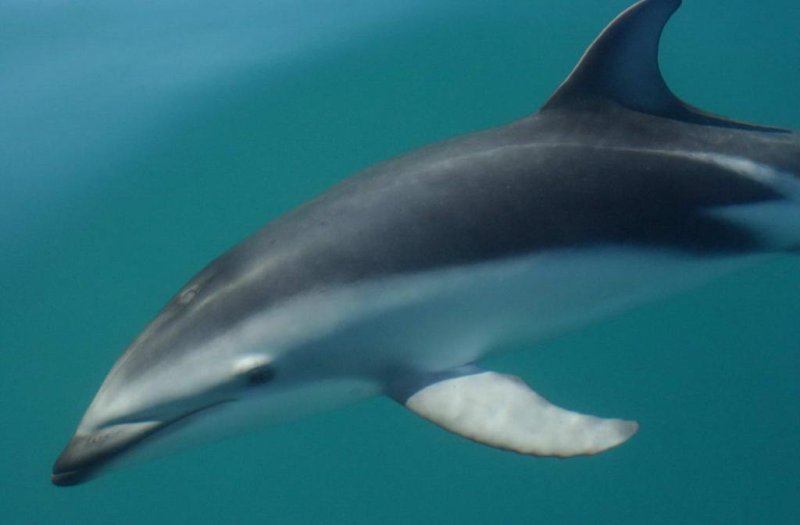
Dusky Dolphin (c) NOAA
New Zealand government must finally protect the last Maui dolphins A good day for the rare Maui dolphins and their floating and flying neighbors - killer whales, penguins, albatrosses and others: their home ground, the New Zealand coastal waters, has been declared a "Hope Spot" on November 26, 2018. The NABU International Conservation Foundation, together with scientists from the University of Otogo in New Zealand, supported the US conservation organization Mission Blue (Mission Blue Sylvia Earle Alliance) for the recognition of the coastal seas as a vulnerable "hope spot". Thomas Tennhardt, NABU vice president and chairman of the NABU International Conservation Foundation, welcomes this step. " Together with international scientific institutions, we have been pushing for years for a ban on gillnets and trawlers in the habitat of Maui and Hector dolphins in New Zealand. Under the motto 'One for all, all for one!' our ‘Hope Spot’ is designed to support long overdue measures to protect this unique habitat, enabling recovery of affected populations and habitats, " says Tennhardt. New Zealand's coastal waters are also threatened by oil and gas exploration and production, sand mining and industrial and agricultural pollution. The "Hope Spot" stretches over a 17,000-kilometer coastline down to a depth of 100 meters and includes both subtropical and sub-Antarctic areas. The waters are home to a variety of rare animals, including New Zealand sea lions, Buller’s albatrosses, yellow-eyed penguins, giant sharks and pygmy blue whales. Many live exclusively in New Zealand. The Maui dolphins and their close relatives, the Hector dolphins, are the most critically endangered species. Internationally renowned oceanographer Sylvia Earle, Founder of Mission Blue, launched the global concept of "Hope Spots" in 2009 to create a wave of public support for a global network of marine protected areas - we reported. Around twelve percent of the world's land is under protection – but – this is just six percent of the seas. With the "Hope Spots", global marine protected areas are expected to rise to 30 percent by 2030. "We should take the declaration of New Zealand's coastal waters as the Mission Blue 'Hope Spot' as an opportunity to do everything we can to prevent the magnificent and rare Maui and Hector dolphins from extinction. We have only one chance left, and we need to take that now," Earle said. Although there are only about 50 Maui dolphins left, only 19 percent of their habitat is protected from gillnets and even just 5 percent from trawl nets, " said Barbara Maas, International Wildlife Conservation Director at NABU International Conservation Foundation. " The extinction of the Maui dolphins is imminent. The New Zealand Seaside Declaration on the 'Hope Spot' once again sends out a clear message to the country's government to finally bring its actions into line with scientific advice. Otherwise, New Zealand threatens to lose its reputation as an environmentally conscious land and untouched natural paradise forever. The New Zealand Ministry of Nature Conservation and the Ministry of Primary Industries are meeting later this month and in December 2018 to propose options to protect dolphins.
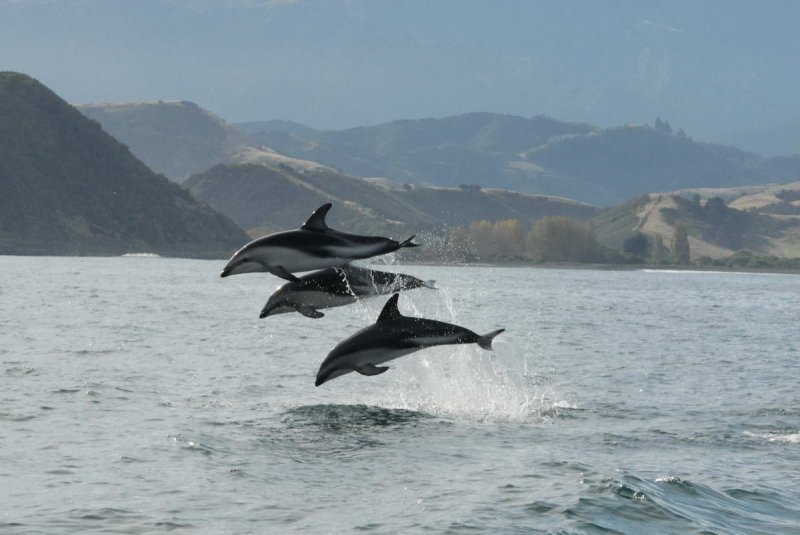
Dusky dolphins jumping (c) NOAA
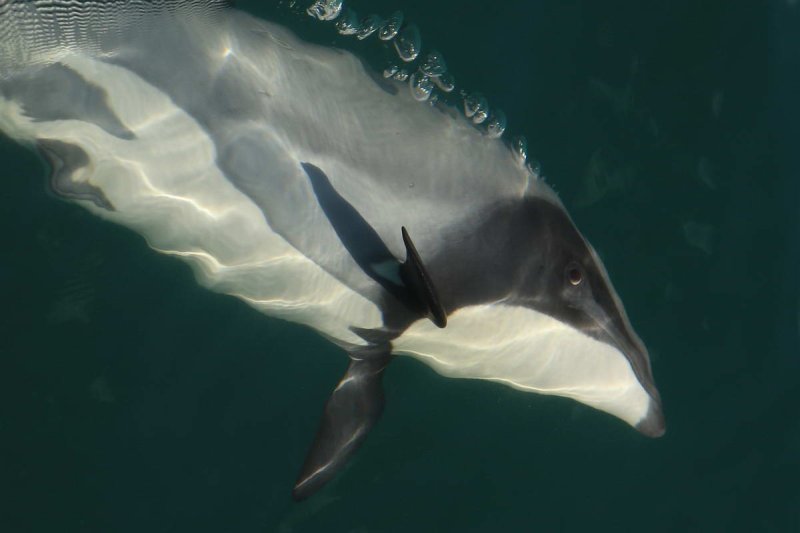
Hector's dolphin (c) Rob Pine
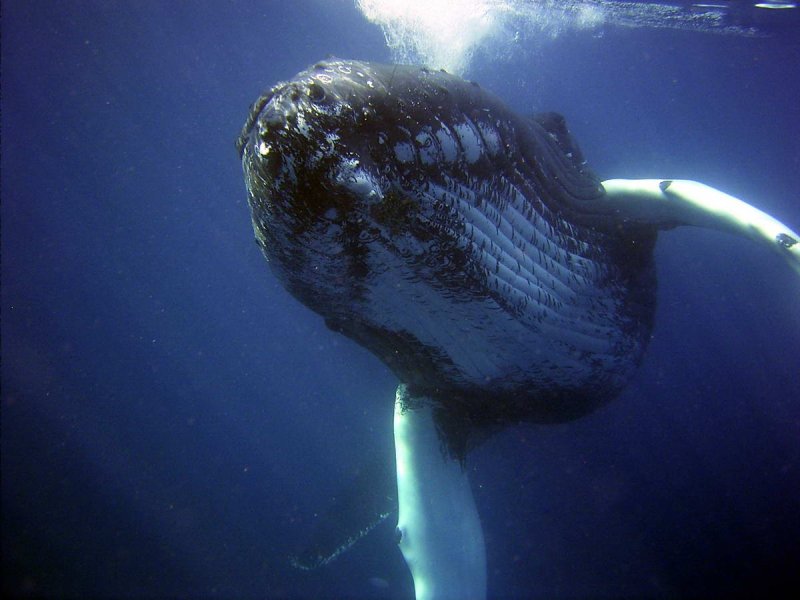
Humpback whale (c) NOAA
Данная статья была переведена автоматически и может содержать незначительные неточности; в случае сомнений, пожалуйста, обратитесь к оригинальной английской версии.