Latest Living Blue Planet Report sounds alarm bells for the world’s oceans
environmentmarine conservationoceanoverfishingbiodiversity
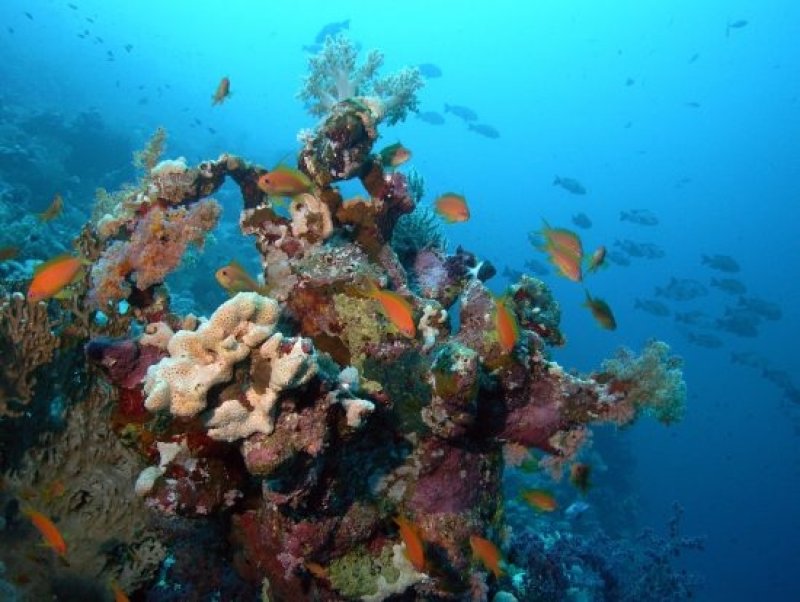
Sample picture biodiversity in our oceans (c) Helge Hartung, Archiv Taucher.Net
Dramatic drop in biodiversity
The biodiversity of the oceans is decreasing. On average, the
populations of marine animals, seabirds, reptiles and fishes have been halved in the short span of 40 years.
This is the conclusion contained in the latest Living Blue Planet Report, issued by the WWF (World Wide Fund for Nature).
Economically important fish stocks such as mackerel, tuna and bonito fell by as much as 74 percent. Today, every fourth shark, ray or skate species is under threat of extinction, due mainly to global
overfishing. Particularly affected by this decline in fish stocks are
the emerging and developing countries.
For some three billion people, fish is the main source of protein.
Worldwide, it is one of the most intensively traded goods, with an
annual trade volume of 144 billion US dollars.
"Overfishing affects not only the balance of life in the oceans, but
also in coastal communities, where social and economic structures often depend directly on fish. A collapse of marine ecosystems perpetuates the global fight against poverty and hunger, and causes an economic downturn," WWF fisheries expert Karoline Schacht warned in German.
According to the WWF, human exploitation is the main cause of the
collapse of marine biodiversity, alongside the destruction of important habitats such as coral reefs, sea grass beds and mangrove forests.
Three-quarters of the world's coral reefs and one-fifth of mangrove
forests are currently under threat. Between 1980 and 2005, they have fallen victim to the construction of aquaculture facilities, tourist infrastructure or agricultural use.
The extraction of natural resources take place in poorly accessible
habitats like deepwater and the polar seas, where delicate ecosystems with highly adapted animal species have existed for thousands of years.
The adverse effects of overfishing, pollution and habitat loss are
magnified by climate change, despite the fact that about 30 percent of the carbon dioxide produced worldwide is absorbed by the seas. Today, the acidification and warming of the oceans take place much faster than a million years ago.
However, despite the dire situation, there is still hope. We can
prevent the oceans from collapsing, as long as urgent action is taken
to remedy the situation. As a dynamic system with numerous systems within itself, the oceans have the potential to recover, said Schacht.
The presence of marine protected areas without human intervention,
sustainable fisheries and positive action on climate change are
indispensable in tackling the current problems.
In the Report, the WWF has listed a set of Sustainable Development
Goals to be implemented in late September. This includes designating at least ten percent of the marine habitats in coastal areas and on the high seas as marine protected areas, to be properly managed by 2020.
Within the same frame, it also called for the international community to formulate a system of sustainable management of international fish stocks, thus cutting down on overfishing, building reconstruction plans and preserving the marine environment.
In addition, the WWF also called for an international agreement to halt global warming, a key factor in the conservation of the world’s oceans.
Video (Sample Video Biodiversity in our Oceans): https://www.youtube.com/watch?t=1131&v=5Rf4cPKCdNI
Source: http://www.wwf.de Download the Living Blue Planet Report:
http://www.wwf.de/fileadmin/fm-wwf/Publikationen-PDF/Living-Blue-Planet-Report-2015.pdf
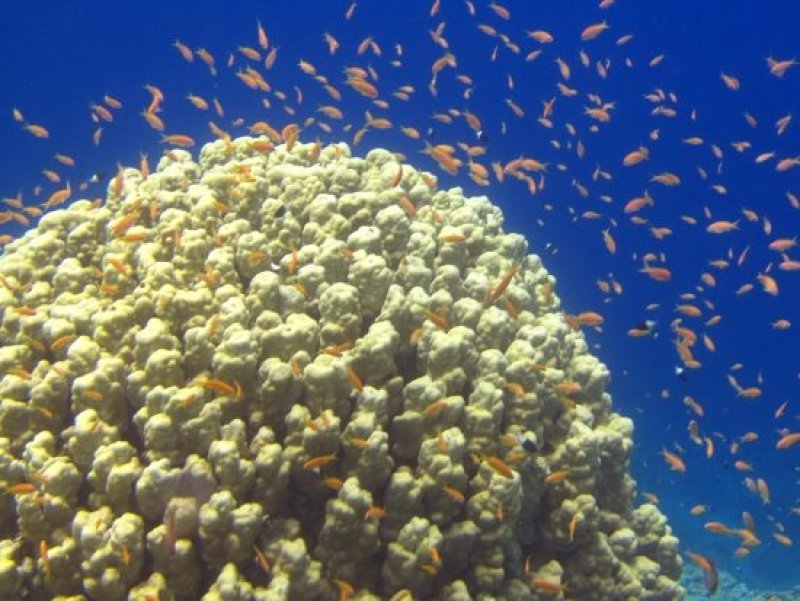
Sample picture biodiversity in our oceans (c) Hermann Kuestner, Archiv Taucher.Net
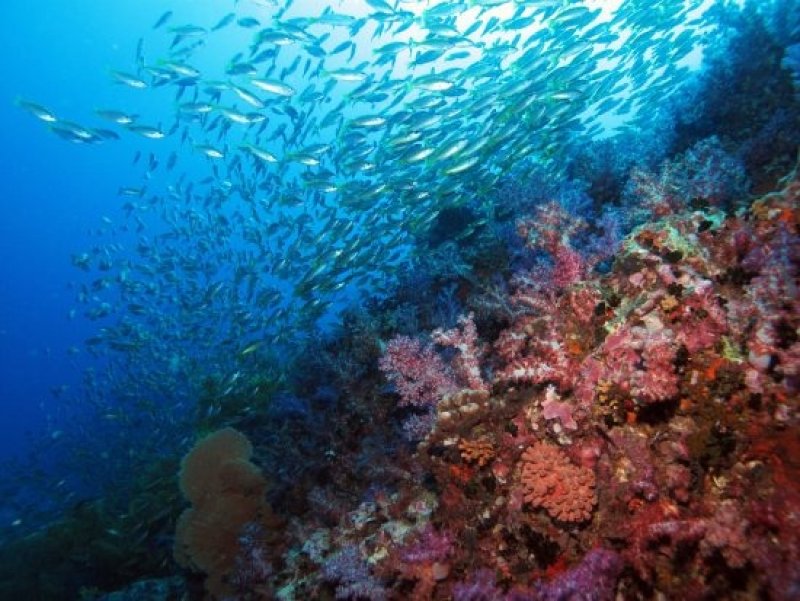
Sample picture biodiversity in our oceans (c) Stefan Thisbrummel, Archiv Taucher.Net
Данная статья была переведена автоматически и может содержать незначительные неточности; в случае сомнений, пожалуйста, обратитесь к оригинальной английской версии.