Impact of climate change threatens ocean life
environmentmarine lifemarine conservationocean conservationclimate change
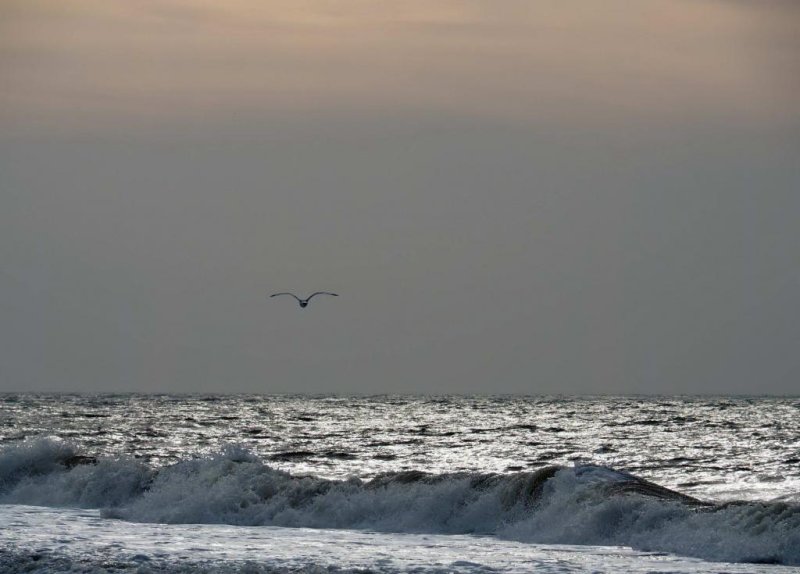
Threatened seas, (c) O. Klodt
New Greenpeace report calls for global action to save the oceans Large parts of the oceans could soon fail in their functions as ecosystems and as CO2 storage, if the atmosphere continues to heat up unhindered. This is the conclusion of the new Greenpeace Report " 30X30 In hot water". The study summarizes the state of research and warns insistently: Even today, the oceans, with their acidification, sea-level rise and surface temperature heating, show clear signs of global warming. To prevent them from collapsing, governments around the world need to drastically reduce greenhouse gases and protect at least 30 percent of the world's oceans by 2030. "The oceans are vital to humanity. They supply the oxygen for every second breath on our blue planet and feed millions of people. Science provides alarming facts and urges governments to act urgently," says Greenpeace marine expert Thilo Maack. The current World Climate Change Conference in Madrid has opened a twelve-month window of global negotiation rounds, in which important decisions for marine and climate protection can be taken. At the climate summits in Spain and the UK, for example, more ambitious measures are being taken to tackle the climate crisis. In order to maintain the oceans' resilience to the climate crisis and to limit species extinction in the oceans, the United Nations will have the opportunity to agree on a global ocean treaty next year. This could lay the foundation for a network of global protected areas. "The reduction of CO2 emissions to land and new protected areas in the sea should go hand in hand. The climate crisis is also an ocean crisis, "says Maack. In the fight against the climate crisis, the oceans are one of the most important ally. They save around a third of all land-based CO2 emissions. But the consequences are dramatic: an unprecedented extinction of species - triggered by climate crisis, overfishing and littering - is changing many marine ecosystems and jeopardizing the food security of those people who mainly source their food from the sea. The rise in sea level makes many coastal areas uninhabitable. Greenpeace urges governments to address global warming, extinction and conservation of the oceans. Many regions are under pressure and are already seriously threatened. These include the Arctic and the Antarctic as well as regions with large whale populations, coral reefs, mangroves, seagrass meadows and the Sargasso Sea in the Atlantic Ocean. The deep sea must remain closed to the mining industry in the starting blocks so as not to further damage the health of the oceans.
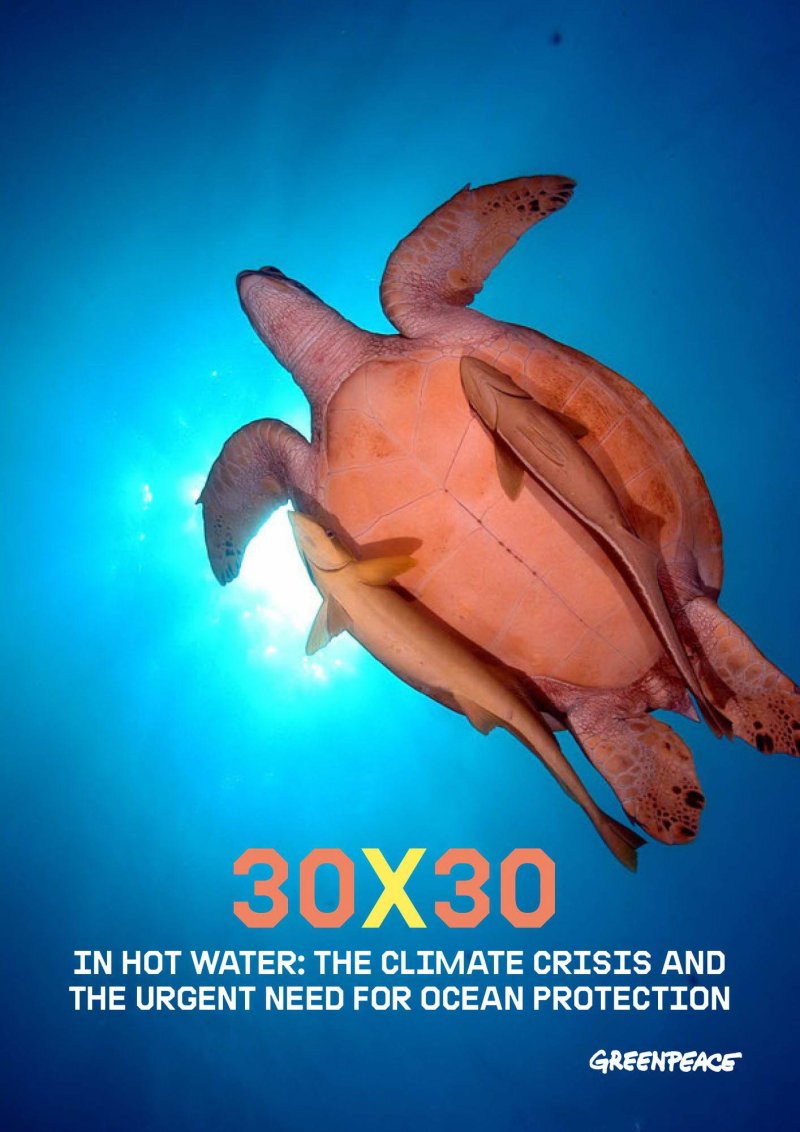
Oceans in the climate crisis: The Greenpeace report "30X30 In hot water"
この記事は自動翻訳されており、多少の不正確な点が含まれている可能性があります。不明な点がある場合は、元の英語版を参照してください。