Exposure to oil impairs behaviour of reef fish
environmentmarine conservationcoral reefpollutionreef fish
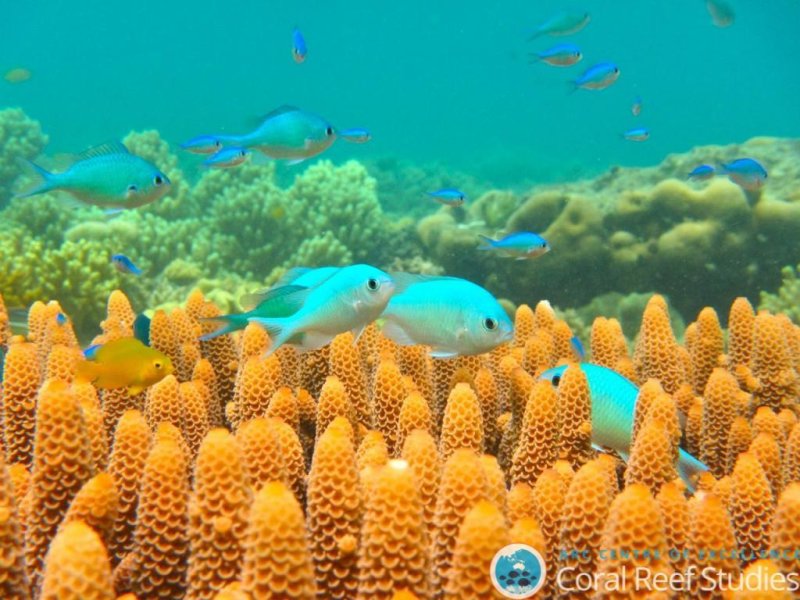
Blue-green Chromis - in the test
(c) Jodie Rummer
Oil makes fish "drunk" A new study has found that petroleum-based oil in seawater – even in small quantities – leads to risky behaviour in reef fish. This not only endangers their lives but also the health of the reefs around them.
Similar to people whose behaviour is affected after consuming alcohol; reef fishes are also susceptible to the influence of oil in the water. Even in the presence of low concentrations of oil in the water, the fishes are still affected, exhibiting poor decision-making abilities as a result.
The study focused on the behaviour and performance of six fish species from the Great Barrier Reef. Co-author Dr Jodie Rummer from James Cook University's ARC Centre of Excellence for Coral Reef Studies (Coral CoE) said that the oil radically changed how the fishes behaved: " The fish were unable to identify friend from foe and they stopped travelling in groups. The fishes also had trouble selecting suitable habitats, swam toward open waters, and could not swim away quickly from danger. The oil concentrations used in the study were already commonplace along many polluted coastlines in industrialized regions around the world. Laboratory exposure to higher oil concentrations not only caused higher death rates but changed the fish’s behaviour as well.
The study found that limiting industrial pollution near reefs - especially oil - may be critical for reef preservation. Coral reef ecosystems are already under threat from a range of stressors, including widespread coral bleaching due to climate change and overfishing.
Fish at the coral reefs are important for keeping the entire ecosystem alive. Some fishes form the basis of the food chains for larger predators (and for humans), whereas others are responsible for removing seaweed that would otherwise kill the live corals.
"If an oil spill were to occur, this study suggests there could be major consequences for reef fish, coral reefs, and the people working in fisheries and tourism," said lead author Dr. Jacob Johansen, from the University of Texas. Over the past 35 years, many of the world’s coral reefs have declined. Still, many governments continue to allow industrial activities, including oil drilling and exploration, in sensitive reef habitats. "
See here for the study

Cinnamon Clownfish
(c) Jodie Rummer

Fish larvae in oil
(c) Jacob Johansen
この記事は自動翻訳されており、多少の不正確な点が含まれている可能性があります。不明な点がある場合は、元の英語版を参照してください。