Corals light the way to a healthy partnership
environmentmarine lifemarine conservationcoral reef
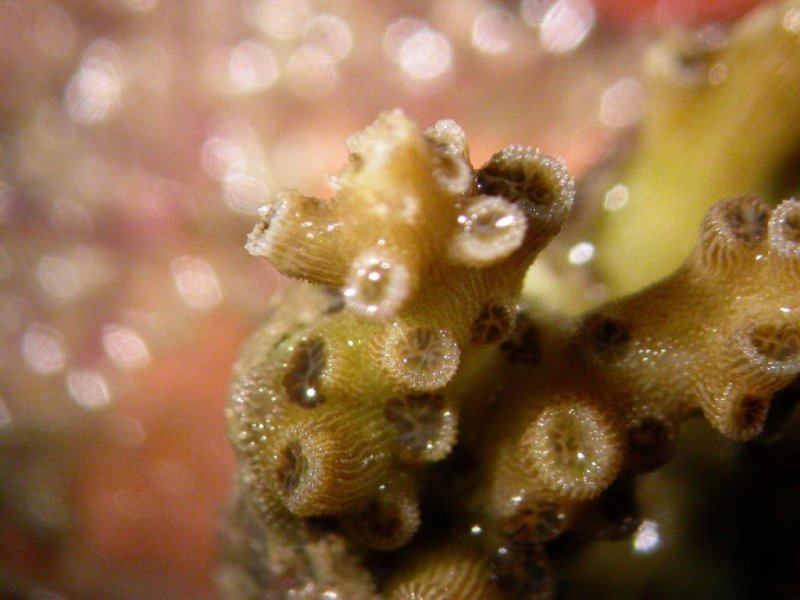
Under some light conditions many corals emit a green fluorescence that attracts the symbionts necessary for a healthy life. © Andrew Baird
Fluorescent light attracts microalgae Corals know how to attract good company. A research study has shown that corals provide a tantalizing fluorescent green light that attracts mobile microalgae known as zooxanthellae, which are crucial for building a healthy partnership. A new study led by researchers from the Japan National Institute for Basic Biology and the ARC Center for Excellence in Coral Reef Studies at James Cook University (Coral CoE) sheds new light on the mechanism, coral and zooxanthella, for example, after a bleaching event brings together. Most reef corals cannot work without zooxanthella – a symbiotic algae, " says Shunichi Takahashi of the National Institute of Basic Biology. " After the mass bleaching of recent years, images of bleached white coral were widespread, as opposed to healthy, vividly coloured corals. The main difference between the two is the abundance of zooxanthellae in the coral tissue, without enough zooxanthellae that the corals communicate via photosynthesis Nutrients, starves the coral. Thirty percent of the corals receive the Zooxanthellae from their parents, the other seventy percent need another mechanism, " said co-author Professor Andrew Baird of Coral CoE. But what brings the organisms together? Corals are stationary creatures, but zooxanthellae can move freely in the water. The study shows that corals have developed an astute skill to attract the microalgae. Inspecting the calyx coral Echinophyllia aspera, the researchers found that the green "fluorescent light" emitted by corals under certain conditions can signal the microalgae in the water to move closer: a process known as "positive phototaxis". "Our research identifies a novel biological signaling tool that shows the success of a relationship that is essential to healthy coral reef ecosystems, " said Prof. Baird. The new study entitled "Green fluorescence from cnidarian hosts attracts symbiotic algae" is published in the journal Proceedings of the National Academy of Sciences.
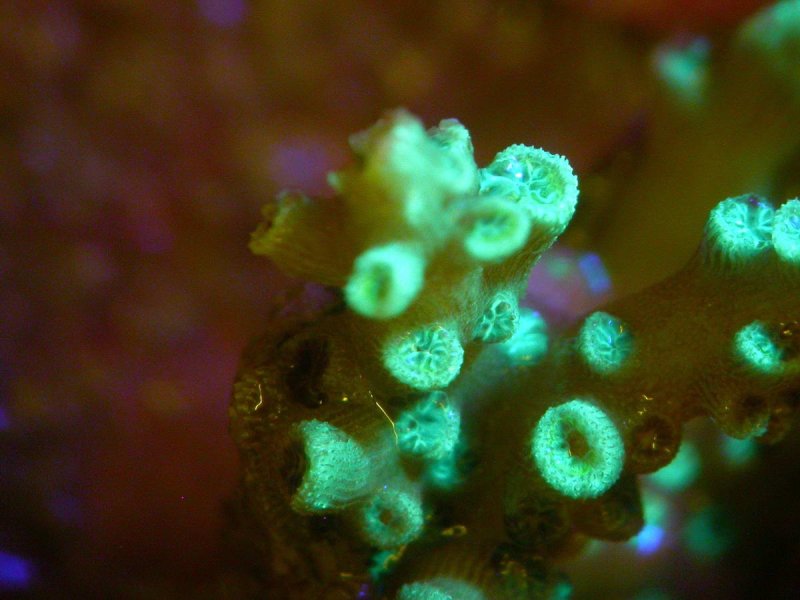
Under some light conditions many corals emit a green fluorescence that attracts the symbionts necessary for a healthy life. © Andrew Baird
この記事は自動翻訳されており、多少の不正確な点が含まれている可能性があります。不明な点がある場合は、元の英語版を参照してください。