Heatwaves can change coastal ecosystems
environmentmarine lifeclimate changecoastal ecosystemsheatwaves
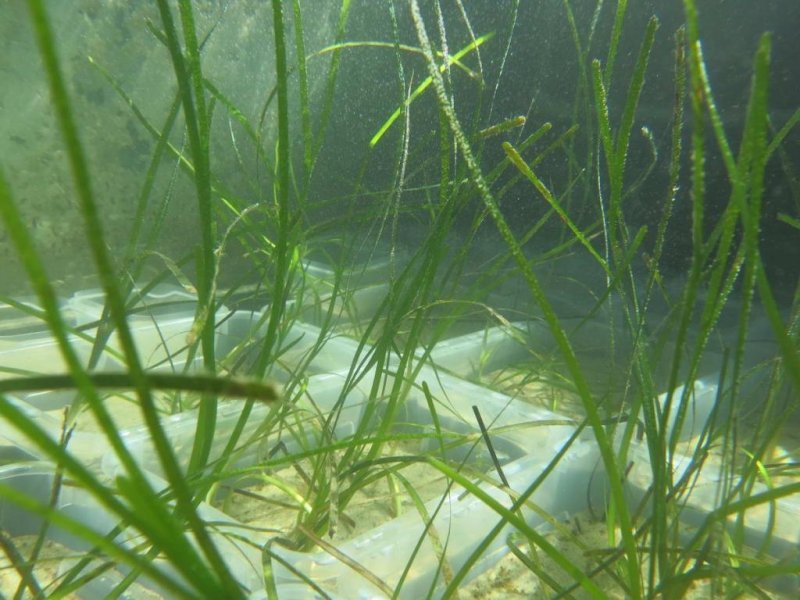
Zostera marina (seagrass) in plant pots (plastic aquariums) in one of the 12 Benthocosms on the keel line during a long-term experiment on the effects of heat waves on the coastal ecosystem
von Christian Pansch/GEOMAR (CC BY 4.0)
Incubation chambers with Zostera marina (seagrass) and the associated infauna community in plant pots in one of the 12 chambers
(c) Christian Pansch/GEOMAR (CC BY 4.0)
Long-term study shows effects of short-term extreme events Model calculations predict an increase in extreme events such as heat waves as a result of climate change. With a long-term experiment in the Kiel Outdoor Benthocosm (KOB) experimental facility, scientists from the GEOMAR Helmholtz Center for Ocean Research Kiel have found clear indications that even events of a few days or weeks in length can change coastal ecosystems in the long run. When talking about climate change, the discussion tends to focus on rising global average temperatures. But the changes in the climate system have other effects. Computer models predict that even extreme short-term events such as heavy precipitation or heat waves will become more frequent in the future. GEOMAR researchers, together with colleagues from Portugal and Bermuda, spent several months exploring whether short-term heat waves can have a lasting impact on coastal ecosystems. Our findings actually suggest that even relatively short-term events have the potential to shift the existing balance between species of a habitat, " says Dr. Christian Pansch from GEOMAR, first author of the study, recently published in the international journal Global Change Biology. For the experiment, the team was able to draw on the technology of the Kiel Benthokosmen experimental facility. It consists of a total of twelve test chambers, which are installed on a pontoon directly on the shores of the Kiel Fjord. In each of these chambers the researchers held a community of seagrass, bladderwrack and their associated animals such as snails, crabs and mussels, for almost four months. " These are typical types of shallow water areas in the Baltic Sea," explains Dr. Pansch. The special thing about the KOBs is that the researchers can precisely control various environmental parameters in the individual test tanks, including the water temperature, the salinity, the pH or the oxygen content. " The water of the basins comes directly from the Kiel Fjord and thus allows an almost natural environment in the experimental pools ", Dr. Pansch. In the course of the study, the researchers simulated the temperatures of the year 2009 in the test chambers. " This was a year without major extreme events with an almost ideal temperature curve. That's why this year was a good basis for our experiment, " explains Dr. Pansch. Building on this, there were a total of three scenarios: Four pools simply went through the temperature development of the ideal year 2009. In four other pools, the technique of benthos caused a summer heat wave in August. In the last four basins, the species community experienced two weaker heat waves in June and July, before reaching summer maximum temperatures in August. About half of the species in the tanks showed clear reactions to extreme temperatures. " But the reactions were very different. In some species, the negative effects of the three heat waves added up, while other species were better able to cope with the summer heat after the two spring warming events. Other species in general benefited from the short-term high temperatures, " summarized Dr. Pansch. So, as the frequency and intensity of heat waves increase in the future, there will be winners and losers in coastal ecosystems. The current structure of the species is expected to shift. However, not all the factors that can play a role in this regard have been examined in detail yet. Link to the study: https://doi.org/10.1111/gcb.14282
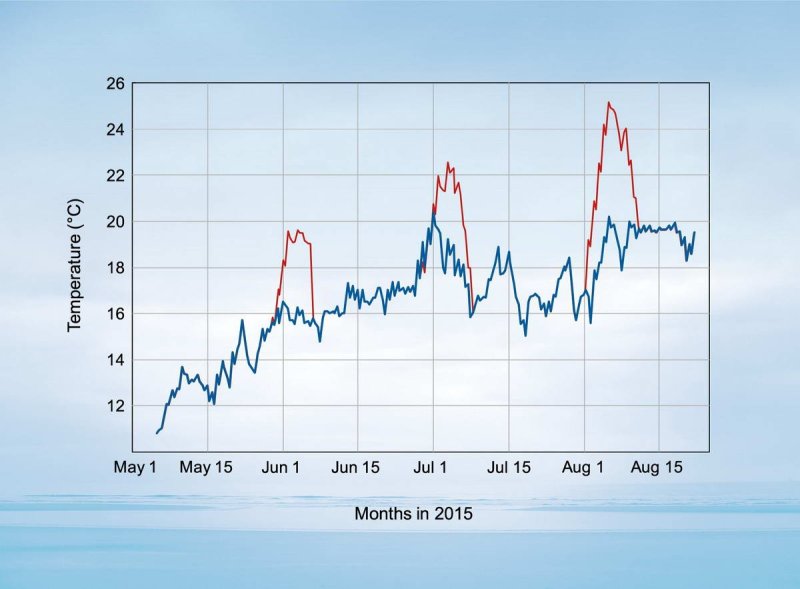
In four of the 12 benthocosms chambers the species community experienced the tempertur curve of 2009 (blue line). In four chambers, the researchers simulated a summer heatwave. In the last four chambers there were a total of three heat waves.
(c) C. Kersten/GEOMAR
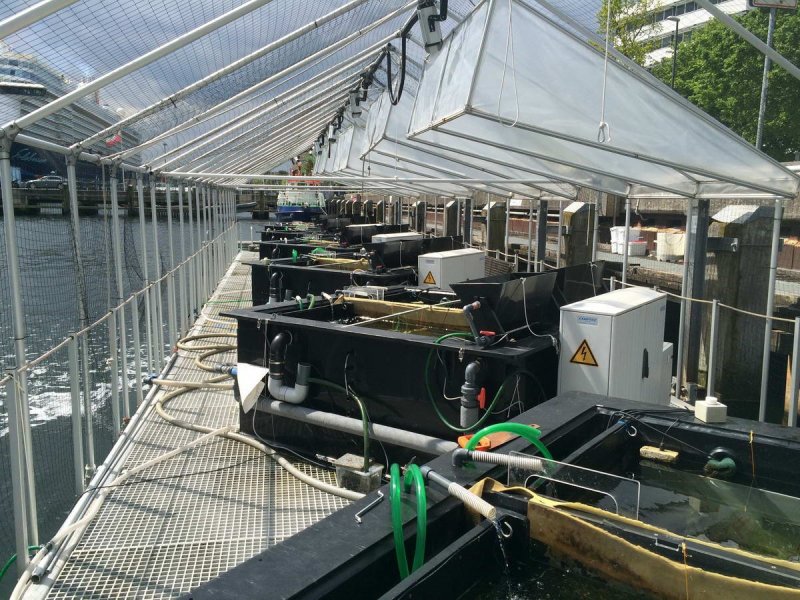
The Kiel Ou
Ez a cikk automatikusan lett lefordítva, és apróbb pontatlanságokat tartalmazhat; kétség esetén kérjük, tekintsd meg az eredeti angol változatot.