First global agreement against illegal fishing takes effect
environmentmarine conservationssiillegal fishingfisheriesport state measures agreement
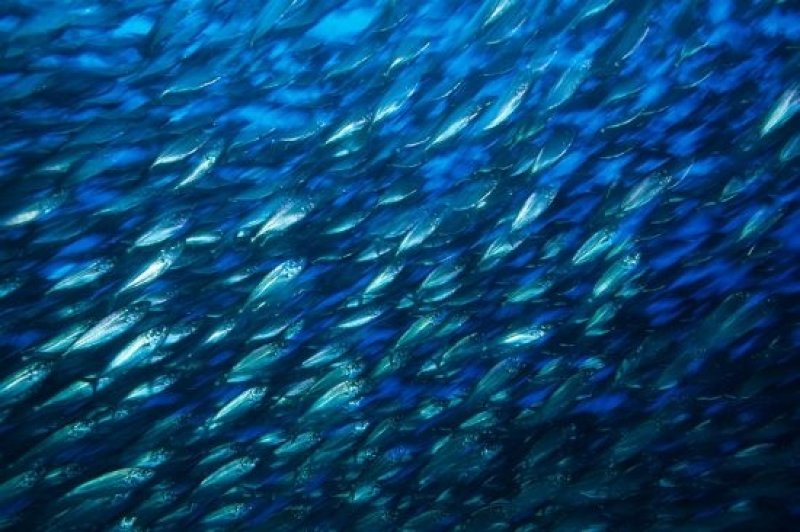
Shoal (c) Franco Banfi
Thirty countries implement measures to shut out stocks derived from illegal fishing
On 5 June 2016, the world's first international binding agreement against illegal fishing came into force.
Called the Port State Measures Agreement (PSMA), it aims to prevent illegally caught fish from entering the ports of the thirty countries who have signed the Agreement. The signatories include developing countries, industrialised countries as well as the European Union (signed as a single party).
According to WWF Germany fisheries expert Catherine Zucco, good control and inspection of fishing vessels at the ports are already half the battle won in limiting the global traffic in illegally caught fish.
"The agreement also helps to verify whether the fish have been caught through legal fishing. Thus, the fisheries are rewarded because they can sell fish to lucrative markets," she continued in German.
Up to 30 percent of the world's fish caught through IUU (illegal, unregulated and undocumented) fishing. Such catches cost the fishing industry up to 22 billion Euros every year and encourage the further exploitation of fish stocks.
Germany imports fish from more than 90 countries, including those with weak fisheries controls or patchy tracking methods. Zucco explained that since the supply chain spans the globe, fish from different sources are mixed together during processing. This increases the likelihood that IUU fish finds its way into the EU market. Most of the fish imported into Germany arrives by container ship via Hamburg, Bremerhaven or Cuxhaven. As it is one of the world's main importers, the WWF encourages Germany to implement the port state measures soon to curb IUU, and encourages more countries to join the Agreement.
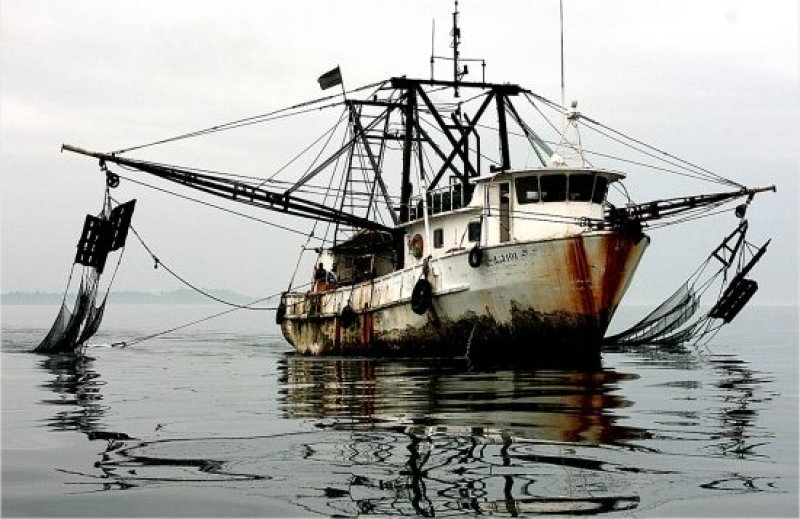
Illegal Trawler (c) Mike Markovinathe/Pew Charitable Trusts
Ez a cikk automatikusan lett lefordítva, és apróbb pontatlanságokat tartalmazhat; kétség esetén kérjük, tekintsd meg az eredeti angol változatot.