Toxins in shark products linked to neurological diseases like Alzheimer’s
environmentmarine conservationtoxinsneurological diseasesshark products
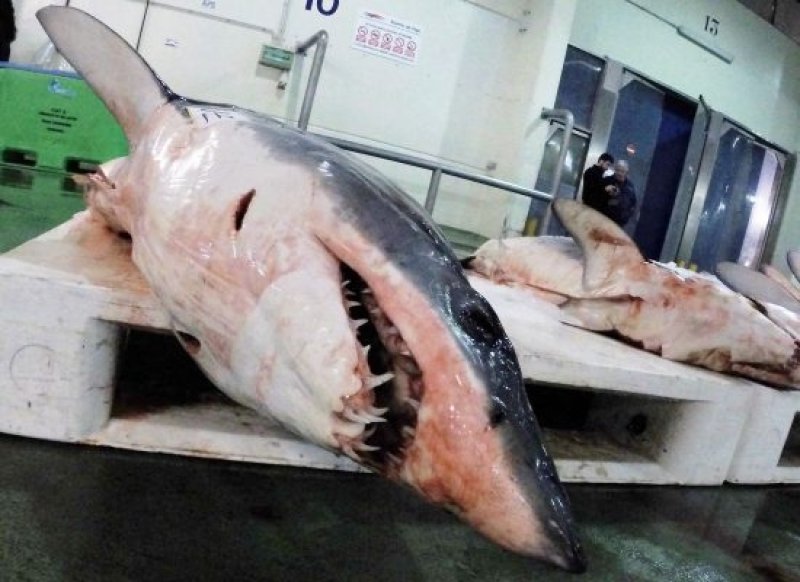
(c) Sharkproject / W.Koch
Toxins in shark products linked to neurological diseases like Alzheimer’s
Here’s another reason to reject that bowl of shark’s fin the next time you are at a Chinese restaurant. In a new study, scientists at the University of Miami (UM) discovered that such shark products contain high concentrations of toxins.
These toxins – mercury and β-N-methylamino-L-alanine (BMAA) – were detected in high concentrations in fin and muscle samples of 10 shark species found in the Atlantic and Pacific Oceans. BMAA has been linked to neurodegenerative diseases like Alzheimer’s disease and ALS (amyotrophic lateral sclerosis). As for neurotoxic methyl mercury, it can accumulate in sharks over a long period of time and lead to health problems in people who consume them.
These findings were published in a recent issue of Toxins journal.
"Since sharks are predators, living higher up in the food web, their tissues tend to accumulate and concentrate toxins, which may not only pose a threat to shark health, but also put human consumers of shark parts at a health risk," said lead author Neil Hammerschlag, a research assistant professor at the UM Rosenstiel School and UM Abess Center for Ecosystem Science and Policy.
Shark products, including the fins, meat and cartilage, are widely consumed in Asia and are also used in Traditional Chinese Medicine (TCM). In addition, shark cartilage is also a popular dietary supplement worldwide. Unfortunately, shark cartilage supplements and shark’s fins have been found to contain BMAA.
Deborah Mash, Professor of Neurology and a senior author of the study said, "Our results suggest that humans who consume shark parts may be at a risk for developing neurological diseases."
Hammerschlag agreed, saying, "Limiting the consumption of shark parts will have positive health benefits for consumers and positive conservation outcomes for sharks, many of which are threatened with extinction due in part to the growing high demand for shark fin soup and, to a lesser extent, for shark meat and cartilage products."
Further information: www.rsmas.miami.edu
Link to study: www.rsmas.miami.edu/.../study-shark-fins-meat
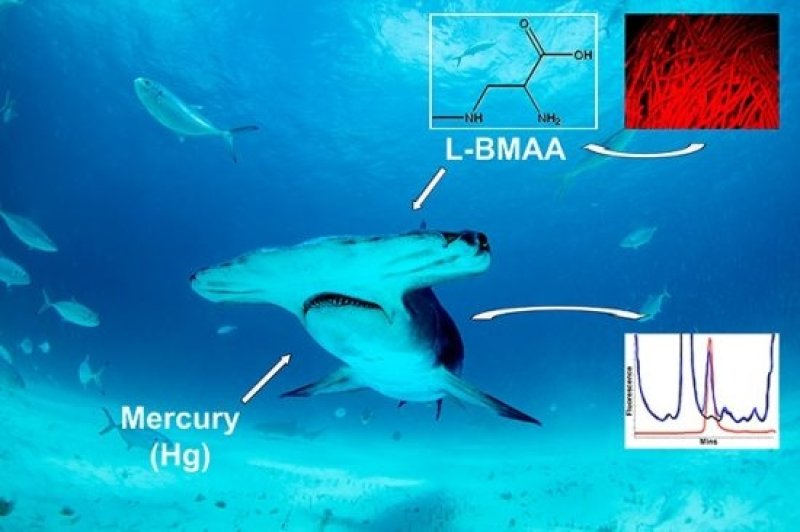
Cyanobacterial neurotoxin β-N-methylamino-L-alanine (BMAA) and Mercury are detected in sharks from the Atlantic and Pacific Oceans (c) Neil Hammerschlag, Ph.D., Graphics - University of Miami Miller School of Medicine
מאמר זה תורגם אוטומטית וייתכן שהוא מכיל אי דיוקים קלים; אנא עיינו בגרסה המקורית באנגלית במקרה של ספק.