Coral bleaching put reef fish on a diet
environmentmarine conservationreef fishbutterfly fishcoral bleaching
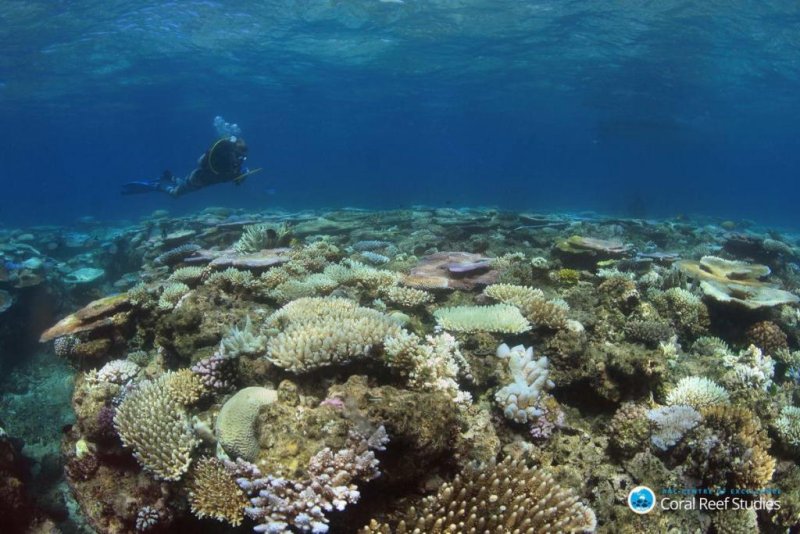
Researcher studying butterflyfish response to reef disturbance.
(c) ARC CoE for Coral Reef Studies/ Ciemon Caballes
Unilateral diet changes the behaviour of butterfly fish The research team spent over 600 hours underwater observing butterfly fish for two years. In the period of their observations the unprecedented coral bleaching of 2016 took place. Under the direction of Dr. Sally Keith from Lancaster University the team studied 17 reefs in the central Indo-Pacific region of Japan, the Philippines, Indonesia and the Christmas Island (Indian Ocean). When they first collected data, researchers did not suspect that the catastrophic bleaching event was imminent. They saw changed environmental conditions as a result of coral bleaching as an opportunity for new observations: how would the behaviour of reef fish change? The team repeated the field observations and recorded a total of 5,259 encounters between individuals of 38 different butterfly species. Within a year of the bleaching event, it was clear that while the same number of butterfly fish remained on the reefs, they behaved totally different. We observed that the aggressive behaviour of butterflyfish had declined by an average of two-thirds, with the largest drop observed on reefs where bleaching killed most of the coral, " explains Dr. Keith. "We think that's because the most nutritious corals were also the most susceptible to bleaching, so the fish were on a diet: they had to switch from a previously balanced diet to a one-sided one - as if people were only feeding on lettuce leaves. That diet was just enough to survive, but not more." Our work shows that animals can adapt to catastrophic events in the short term through flexible behaviour, but these changes may not be sustainable in the longer term, " said co-author Prof Andrew Baird of Coral CoE. The observed behavioural changes may well be the cause of more obvious changes, such as a decreasing number of fish species and individuals. The result has the potential to explain the mechanism of population decline in similarly disturbed ecosystems around the world. More Informationen: www.lancaster.ac.uk und www.coralcoe.org.au Link to the study: www.nature.com/articles/s41558-018-0314-7
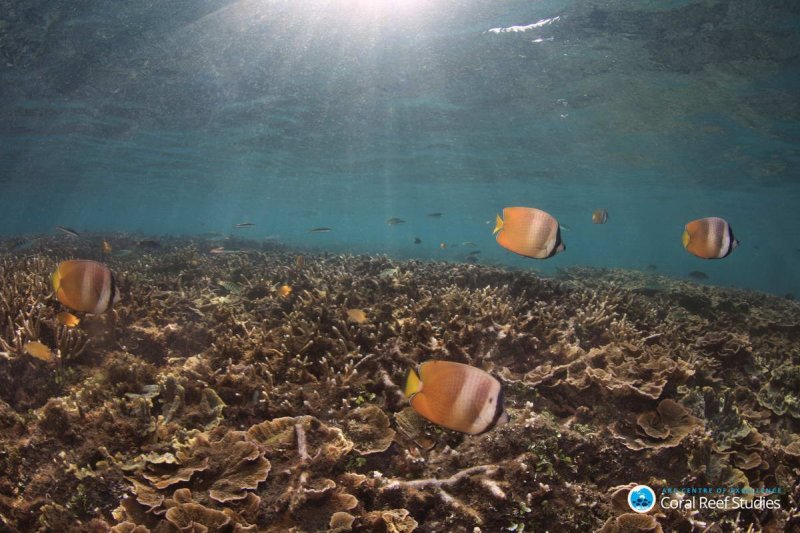
Butterflyfish at a marine reserve in central Philippines prior to the 2016 mass bleaching event.
(c) ARC CoE for Coral Reef Studies/ Ciemon Caballes
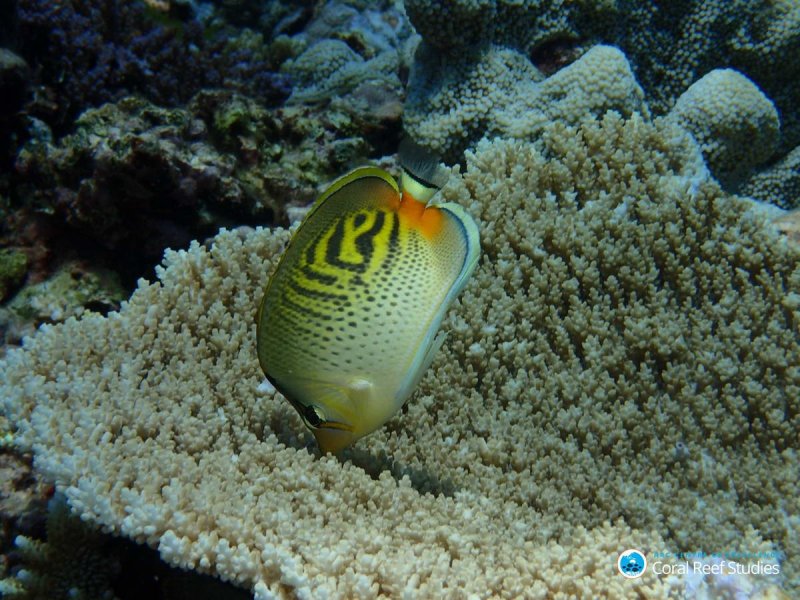
Butterflyfish snacking on a bleaching survivor
(c) Greg Torda
מאמר זה תורגם אוטומטית וייתכן שהוא מכיל אי דיוקים קלים; אנא עיינו בגרסה המקורית באנגלית במקרה של ספק.