The Solomon Islands
scuba divingmarine biodiversityssifreedivingextended rangecoral trianglesolomon islandssaltwater crocodiles
(c) Steve Jones
Mirror-calm waters, no current and only two metres of depth, yet I am anxious and every natural instinct wants me to get out of the water. The source of my apprehension is a shallow pool that lies just ahead of me. It is there that saltwater crocodiles are frequently sighted. They are the largest crocodilians on earth, yet sadly the high value of their hides has put immense pressure on their population, as is the case for so many of the world’s great predators. I have never dived with a ‘saltie’ before and the chance to photograph one in the wild was a rare opportunity. Such was my bravado, that I even fitted an ultra-wide angle lens to my camera, meaning that I would need an extremely close encounter to get those coveted shots!
My earlier confidence seems a distant memory as I catch a glimpse of a fellow diver rapidly reversing out of the tunnel that leads to the pool, having come to her senses. I continue onward, cautiously scanning under the gloomy overhangs. At the far side of the pool there is a dark and threatening corner that we have yet to explore. As we move towards it my heart begins to race and I stop suddenly and turn as I feel something brush past me, expecting to be face-to-face with the reptile. No, it is not a saltwater croc, it is Diane, one of my fellow passengers who only recently learned to dive. She boldly pushes past me, torch in hand, somewhat frustrated by the hesitating ‘professional’ in her way. She scans the corner of the pool with her torch and just to further prove my humility, she sees no sign of that long reptilian tail we seek. I can’t help but feel relieved. So much for the wildlife photographer as when it comes to saltwater crocs, I’m reduced to following others!
The lure of thrilling encounters is just one of the attractions to this South Pacific nation, which is comprised of 992 islands. The seascapes of the Solomons are characterised by spectacular caverns, crevasses and walls, geology attributable to its location on the highly volcanic Pacific "Ring of Fire", where the Indo-Australasian and Oceanic tectonic plates meet. These waters also hold the remnants of the history as this was the location of some of the fiercest battles of World War II and some of the wrecks are within diveable depths, festooned with marine life.
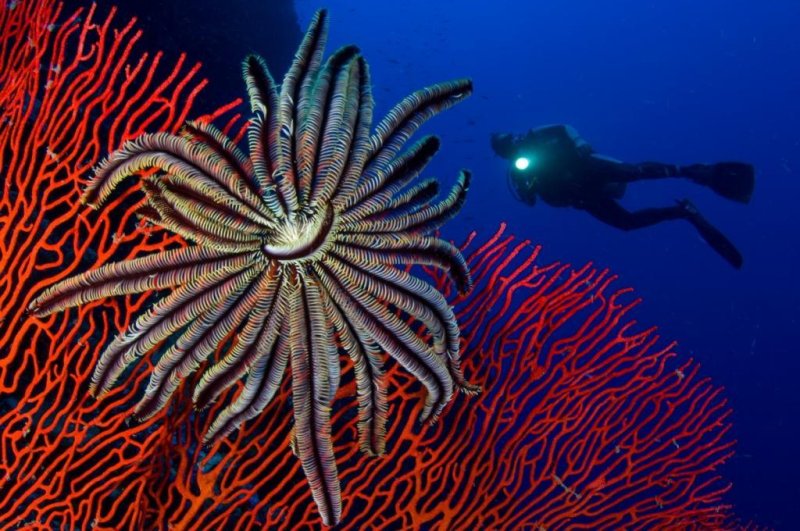
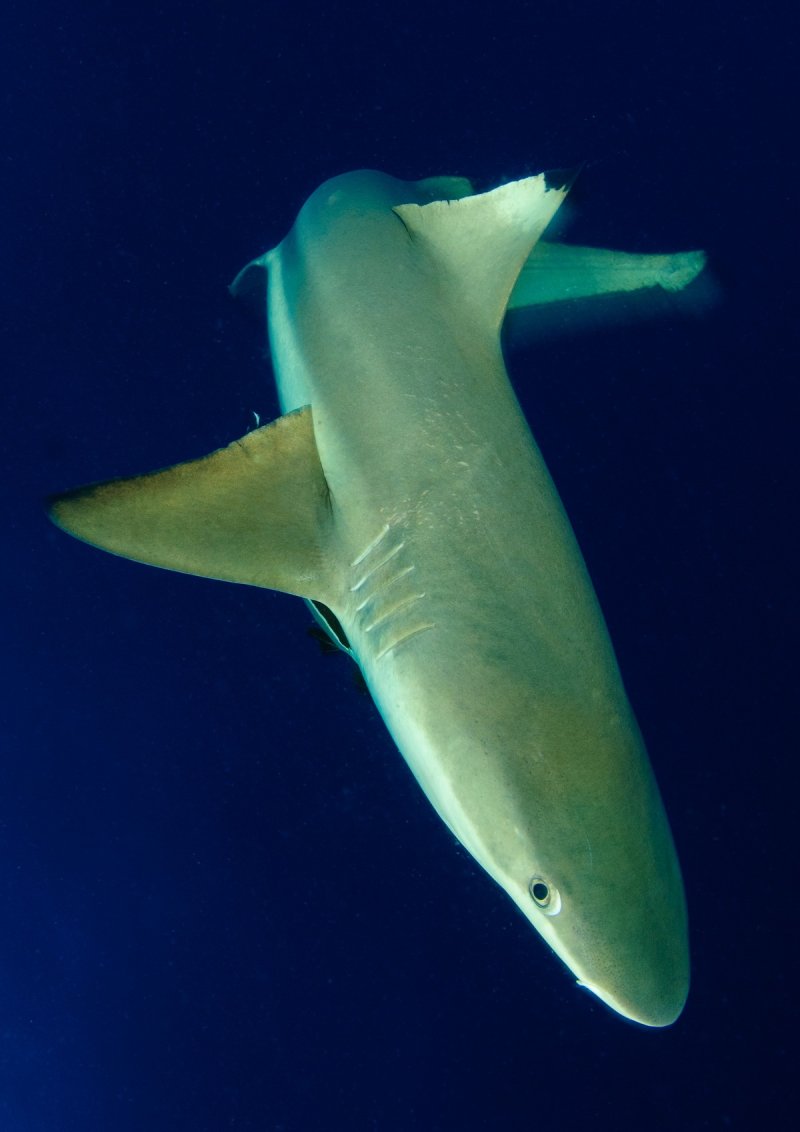
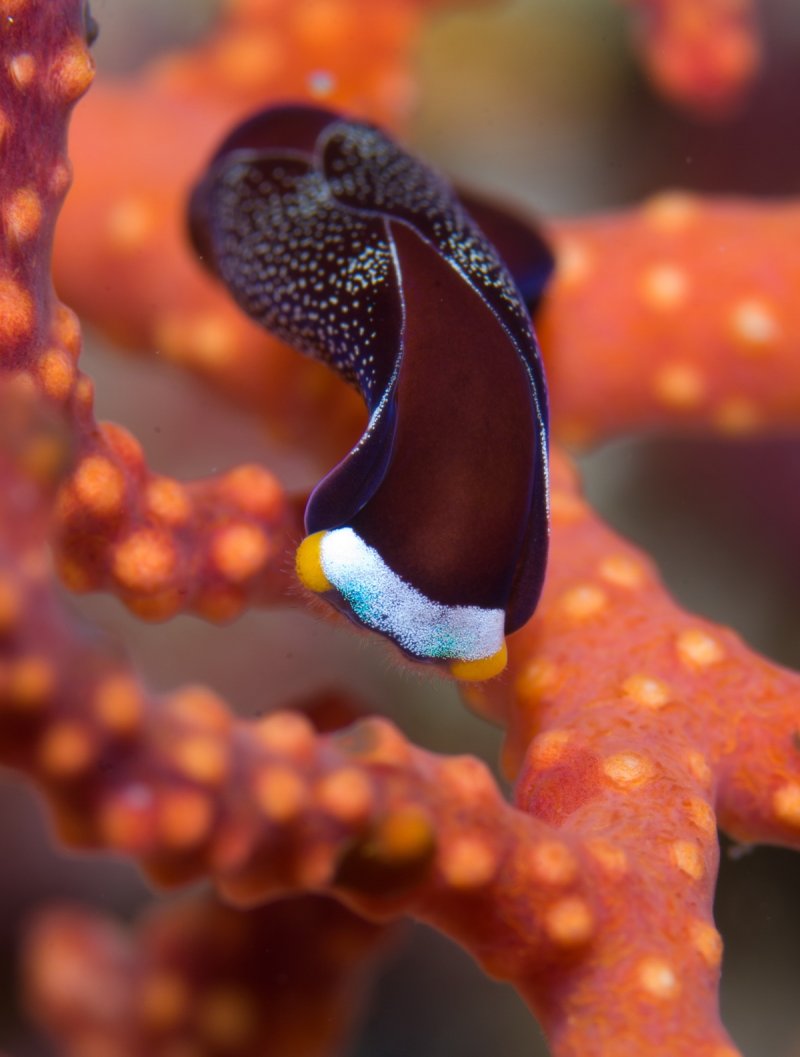
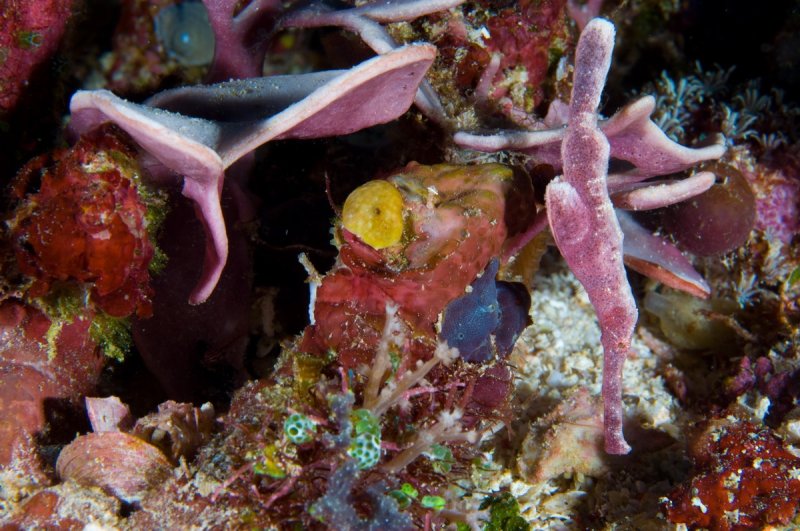
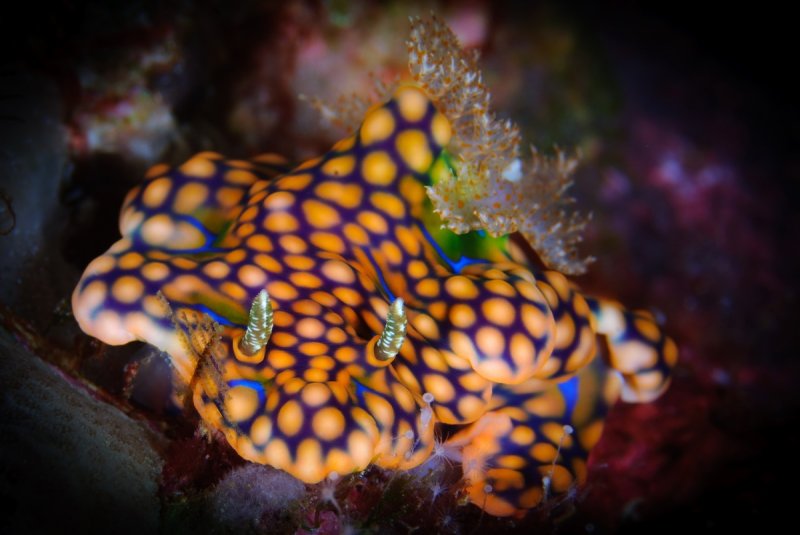
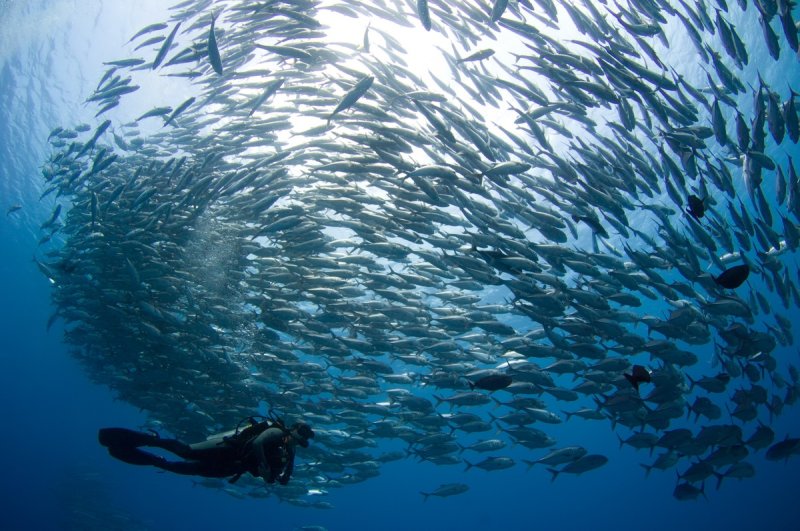
This variety of habitats supports an extraordinary range of fish and fauna. The Solomon Islands are part of the "coral triangle", the region with the highest marine biodiversity on earth, which also spans Indonesia, Malaysia, Papua New Guinea, Philippines and Timor-Leste. During a survey in 2004 by the Nature Conservancy over 494 species of coral were recorded in this region, making the Solomons second in the world only to Raja Ampat in coral species diversity. The area is no less rich in fish life, with over a thousand species recorded in the region and a large number of sites exceed 200 species, which is considered the benchmark for an excellent fish count.
Yet despite the Solomon Islands having the credentials of an absolutely first class dive destination and being only a 3-hour direct flight from Brisbane, it remains little known and visited. The main factor contributing to this is the lack of tourist infrastructure due to the complex land tenure system stifling resort development. This need not be of concern to the diver however – a liveaboard such as the MV Bilikiki is by far the best way to see the full variety on offer, as the diving varies markedly between each island group.
Script by Steve Jones Tomorrow we will write about some very special scuba diving spots in the Solomon Islands:
Dive Spots (Part 1) Dive Sport (Part 2)
(c) Steve Jones
(c) Steve Jones
(c) Steve Jones
(c) Steve Jones
(c) Steve Jones
Este artigo foi traduzido automaticamente e pode conter pequenas imprecisões; em caso de dúvida, consulte a versão original em Inglês.