Exterminate rats to strengthen coral reefs
coral reefsenvironmentmarine conservationecosysteminvasive species
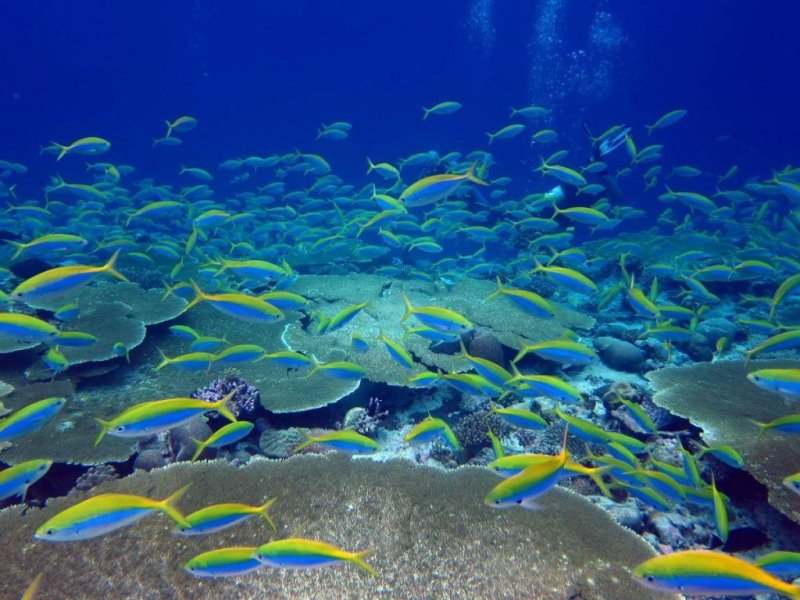
Yellow and blue fusiliers shoal over a reef in the Chagos Archipelago
(c) Nick Graham
Coral reefs around rat-free islands are more productive Rat control should be seen as an urgent priority on many remote tropical islands to protect endangered coral reefs, according to an international team of scientists. New research has confirmed that invasive rats are decimating seabird populations, with hitherto unrecognized consequences for the extensive coral reefs that surround and protect these islands. Invasive predators, such as rats feeding on bird eggs, chicks and even adult birds, have an estimated 90% of the world's temperate and tropical archipelagos. Until now, the extent of their impact on the surrounding coral reefs was unknown. The new study, led by researchers from Lancaster University (UK), the ARC Center of Excellence for Coral Reef Studies (Coral CoE) of James Cook University and Dalhousie University (Canada), examined tropical ecosystems in the northern atolls of the Chagos Archipelago to find out how rats affected the surrounding reefs. Lead author Professor Nick Graham of Lancaster University says: " Seabirds are crucial to this type of island because they are able to fly into highly productive open ocean areas to feed on, and then return to their nests Back on the island where they settle down and breed and lay guano or bird droppings on the ground, this guano is rich in nutrients, nitrogen and phosphorus, so far we did not know how much that makes any difference to neighboring coral reefs. The Chagos Islands, an extraordinary series of remote tropical islands in the central Indian Ocean, provided a perfect "laboratory environment" as some of the islands are rat-free, while others are infested with black rats, probably at the end of the 17th and beginning of the 18th centuries were introduced. This unusual context enabled the researchers to conduct a unique, large-scale study to directly compare the reef ecosystems around these two types of islands. By studying soil samples, algae and counting fish near the six rat-free and six rat-infested islands, scientists have found evidence of severe ecological damage from rats reaching far into the sea beyond the islands. Rat-free islands had significantly more seabird life and nitrogen in their soils, and this increased nitrogen reached the sea, benefiting macroalgae, filter sponges, grass algae and fish on neighboring coral reefs. The fish life near rat-free islands was much richer; the fish mass was estimated to be 50% larger. These results show not only the dramatic effect that rats can have on the composition of biological communities, but also the way in which these sensitive ecosystems function. Critically, reducing two important ecosystem functions (grazing and bioerosion) is one of the major challenges Ability of these reefs to recover from future disruptions. " Explained Andrew Hoey of Coral CoE at James Cook University. Professor Graham says: " The results of this study are clear: rat eradication should be a high priority on the oceanic islands, and the elimination of the rats would benefit the terrestrial ecosystems and the productivity and functioning of the coral reef by recovering from seabirds Improve nutrient subsidies from large areas of the ocean, which could spur the future survival of these reefs and their ecosystems. Associate Professor Aaron MacNeil of Dalhousie University adds: " These results show that protecting nature can sometimes be a bloody business, with a time to kill if you are working properly on the ecosystem, and this time has come for these invasive rats. Link to the study: www.nature.com/..s41586-018-0202-3 Videos: Seabirds flying over a rat-free island in the Chagos Archipelago. (c) Jon Slayer A rat-infested island devoid of seabirds in the Chagos Archipelago. (c) Jon Slayer
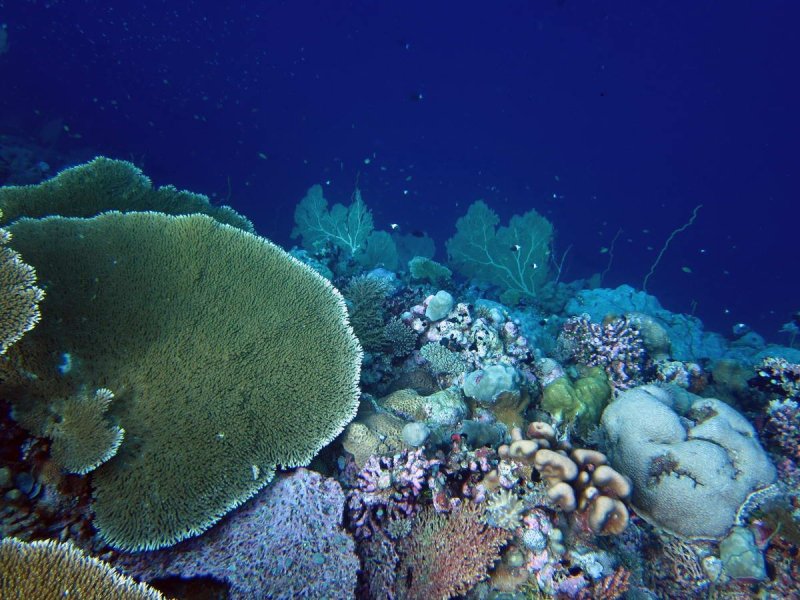
A coral reef crest in the Chagos Archipelago
(c) Nick Graham
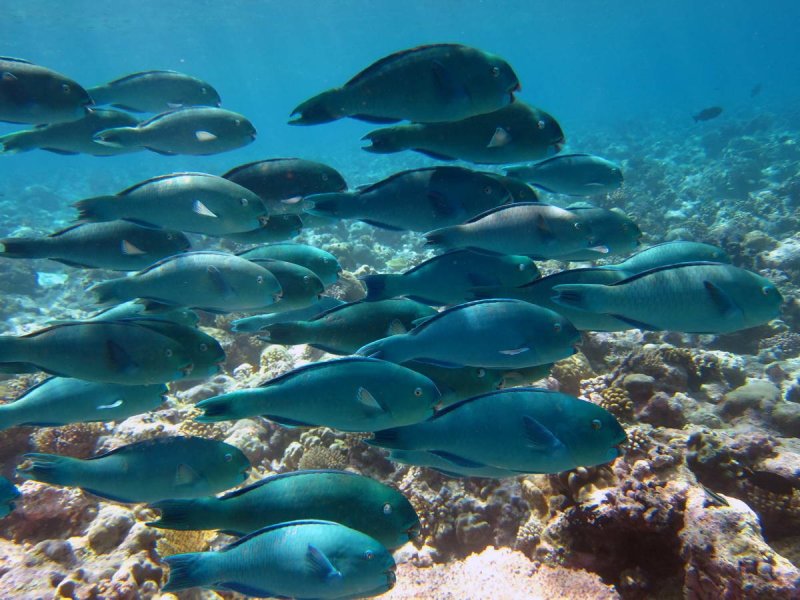
Parrotfish swimming above a coral reef in the Chagos Archipelago
(c) Nick Graham
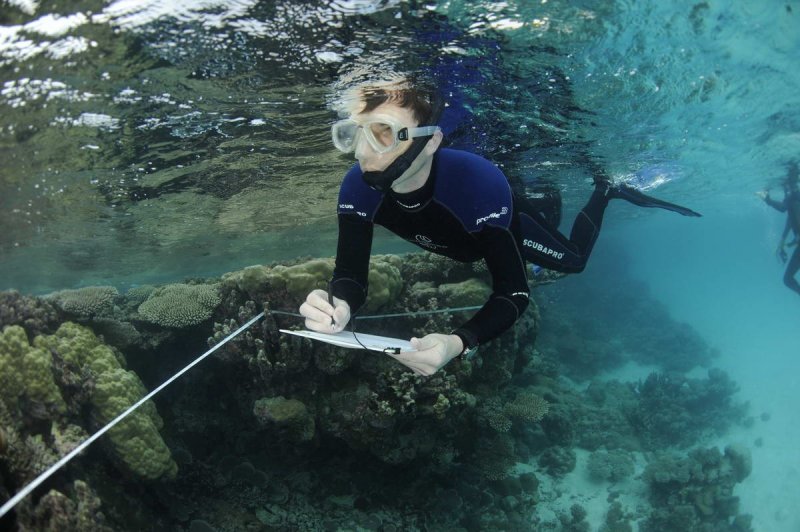
Prof Nick Graham surveying fish communities in the Chagos Archipelago.
(c) Guy Stevens, Manta Trust